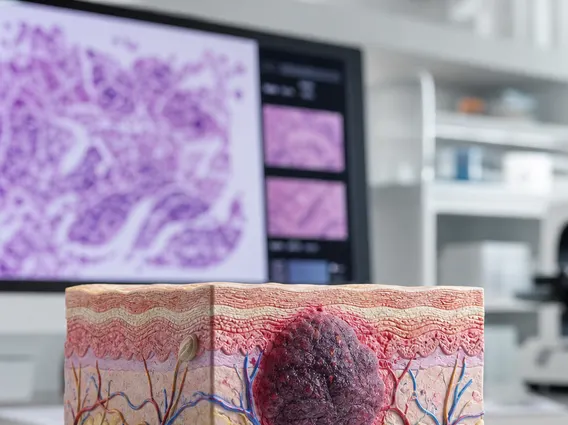
Invasive Cancer
Invasive Cancer represents a critical stage in cancer progression, where malignant cells acquire the ability to spread beyond their original site. Understanding this condition is vital for effective diagnosis and treatment.

Key Takeaways
- Invasive Cancer occurs when cancer cells break through the basement membrane and invade surrounding tissues.
- It is distinct from non-invasive (in situ) cancer, which remains confined to its origin.
- Common types include carcinomas, sarcomas, lymphomas, and leukemias.
- Symptoms vary widely but often include unexplained weight loss, fatigue, and persistent pain.
- Diagnosis typically involves biopsies, imaging, and blood tests, followed by staging to determine spread.
What is Invasive Cancer?
Invasive Cancer refers to a malignancy where abnormal cells have broken through the basement membrane—a thin layer of tissue that separates different tissue types—and have begun to invade surrounding healthy tissues. This penetration marks a significant progression from non-invasive or in situ cancer, which remains confined to its original location without breaching this barrier. The ability to invade local tissues is a hallmark of aggressive cancer behavior and a prerequisite for metastasis, where cancer cells spread to distant parts of the body. According to the World Health Organization (WHO), cancer is a leading cause of death worldwide, accounting for nearly 10 million deaths in 2020, with invasive forms being the primary contributors to this mortality.
Types of Invasive Cancer
The classification of types of invasive cancer explained often depends on the cell type from which the cancer originates. These categories reflect the diverse tissues and organs that can be affected by invasive disease. Understanding these types is crucial for tailoring specific treatment strategies.
- Carcinomas: These are the most common type of cancer, originating in epithelial cells, which line the internal and external surfaces of the body. Examples include invasive ductal carcinoma of the breast, squamous cell carcinoma of the skin, and adenocarcinoma of the colon.
- Sarcomas: Less common, sarcomas develop from connective tissues such as bone, cartilage, fat, muscle, or blood vessels. Osteosarcoma (bone cancer) and leiomyosarcoma (smooth muscle cancer) are examples.
- Leukemias: These cancers begin in the blood-forming tissues of the bone marrow, leading to the overproduction of abnormal white blood cells. They are considered invasive as the abnormal cells circulate throughout the bloodstream and can infiltrate various organs.
- Lymphomas: Originating in lymphocytes (a type of white blood cell), lymphomas affect the lymphatic system, a part of the body’s immune system. They can be invasive as they spread through lymph nodes and other lymphatic tissues.
- Melanomas: A serious form of skin cancer that develops from melanocytes, the cells that produce melanin. Invasive melanoma can spread rapidly if not detected early.
Symptoms, Diagnosis, and Spread of Invasive Cancer
Recognizing invasive cancer symptoms diagnosis is critical for early detection and improving treatment outcomes. Symptoms can vary widely depending on the cancer’s location and type, but general warning signs often include unexplained weight loss, persistent fatigue, chronic pain, changes in bowel or bladder habits, and the appearance of new lumps or growths. For instance, invasive breast cancer might present as a palpable lump, while invasive colon cancer could cause changes in stool consistency or rectal bleeding.
Diagnosis typically involves a combination of methods:
- Biopsy: This is the definitive diagnostic tool, where a small tissue sample is removed and examined under a microscope to confirm the presence of cancer cells and determine their characteristics.
- Imaging Tests: Techniques like X-rays, CT scans, MRI scans, and PET scans help visualize the tumor’s size, location, and whether it has spread to other areas.
- Blood Tests: Certain blood markers can indicate the presence of cancer or monitor treatment effectiveness, though they are rarely diagnostic on their own.
Once diagnosed, determining how invasive cancer spreads is crucial for staging and treatment planning. Invasive cancer primarily spreads through a process called metastasis. Cancer cells can detach from the primary tumor, enter the bloodstream or lymphatic system, and travel to distant organs or tissues, where they can form new tumors. The lymphatic system, a network of vessels and nodes that carry lymph fluid, is a common pathway for initial spread to regional lymph nodes. The bloodstream provides a direct route for cells to reach organs like the lungs, liver, bones, and brain, leading to secondary tumors. The extent of this spread dictates the cancer stage, which guides treatment decisions.