
Intubation
Intubation is a critical medical procedure involving the insertion of a tube into a patient’s airway to ensure adequate breathing and oxygenation. This intervention is often life-saving, providing essential respiratory support in various clinical scenarios.
Key Takeaways
- Intubation is a medical procedure where a tube is inserted into the trachea to maintain an open airway and support breathing.
- It is primarily necessary for patients experiencing respiratory failure, during major surgeries, or in emergencies like severe trauma.
- The procedure involves administering medication, using a laryngoscope to visualize the vocal cords, and carefully inserting an endotracheal tube.
- While crucial, intubation carries potential risks such as airway trauma, infection, and vocal cord injury.
- Proper technique and monitoring are vital to minimize complications and ensure patient safety.
What is Intubation?
Intubation refers to the medical procedure of inserting a flexible plastic tube, known as an endotracheal tube (ET tube), into the trachea (windpipe) through the mouth or nose. The primary purpose of this procedure is to establish and maintain a patent (open) airway, allowing air to pass freely to and from the lungs. This is crucial for patients who are unable to breathe effectively on their own or require mechanical ventilation.
The intubation procedure is a cornerstone of critical care medicine, anesthesia, and emergency medicine. It ensures that oxygen can be delivered to the lungs and carbon dioxide can be removed, preventing respiratory distress and failure. Once the ET tube is in place, it is typically connected to a ventilator, a machine that assists or controls the patient’s breathing, delivering precise amounts of oxygen and air.
Why is Intubation Necessary?
Intubation becomes necessary when a patient’s natural ability to maintain an open airway or breathe adequately is compromised, posing a significant threat to their life. The need for intubation arises in various critical situations where respiratory support is paramount. These situations often involve conditions that impair lung function, depress the central nervous system, or obstruct the airway.
Common reasons for intubation include:
- Respiratory Failure: When the lungs cannot adequately oxygenate the blood or remove carbon dioxide, often due to severe pneumonia, acute respiratory distress syndrome (ARDS), or chronic obstructive pulmonary disease (COPD exacerbations).
- Major Surgery: During general anesthesia for extensive surgical procedures, intubation protects the airway and allows anesthesiologists to control breathing and administer anesthetic gases safely.
- Airway Protection: For patients with a decreased level of consciousness (e.g., due to stroke, drug overdose, head injury) who are at risk of aspirating (inhaling) stomach contents into their lungs.
- Trauma: In cases of severe trauma, especially to the head, neck, or chest, intubation may be required to secure the airway and support breathing.
- Cardiac Arrest: To ensure effective ventilation and oxygen delivery during cardiopulmonary resuscitation (CPR).
According to the American Heart Association, securing an airway through intubation is a critical component of advanced cardiac life support (ACLS) protocols, highlighting its importance in emergency medical interventions.
How Intubation is Performed and Potential Risks
The process of intubation is a skilled medical procedure typically performed by trained professionals such as anesthesiologists, emergency physicians, intensivists, or paramedics. Before the procedure, patients usually receive sedatives and muscle relaxants to ensure comfort and minimize discomfort. The patient is positioned appropriately, often with the head tilted back to align the airway axes.
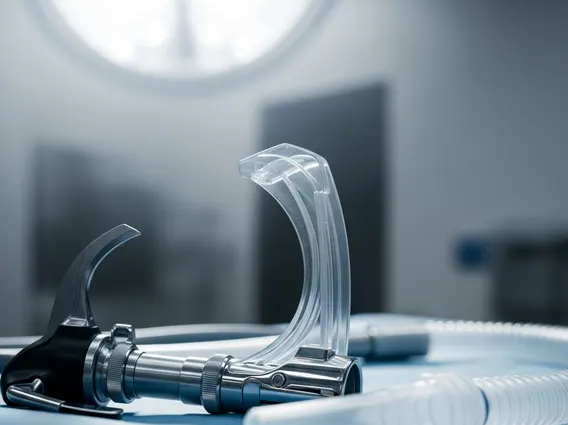
The healthcare provider uses a device called a laryngoscope, which has a light source and a blade, to visualize the vocal cords and the opening of the trachea. Once the vocal cords are clearly seen, the endotracheal tube is carefully inserted between them and advanced into the trachea. The tube’s cuff is then inflated to create a seal, preventing air leakage and aspiration. Proper placement is confirmed immediately by listening to breath sounds over both lungs, observing chest rise, and using capnography (measuring carbon dioxide in exhaled breath).
While intubation is a life-saving procedure, it is not without potential intubation risks and complications. These can range from minor issues to severe, life-threatening events. Careful technique and continuous monitoring are essential to mitigate these risks. Some common complications include:
- Airway Trauma: Injury to the teeth, lips, tongue, vocal cords, or trachea during tube insertion.
- Esophageal Intubation: Accidental placement of the tube into the esophagus instead of the trachea, which can lead to severe oxygen deprivation if not promptly corrected.
- Aspiration: Inhalation of stomach contents into the lungs, especially if the patient is not adequately fasted or if the airway is not properly protected.
- Infection: Increased risk of pneumonia (ventilator-associated pneumonia) due to the presence of the tube and mechanical ventilation.
- Vocal Cord Injury: Hoarseness or vocal cord paralysis, usually temporary, can occur after extubation (removal of the tube).
- Hypoxia or Bradycardia: Low oxygen levels or slow heart rate can occur during the procedure, particularly if there are difficulties with intubation.
The decision to intubate is always weighed against these potential risks, with the patient’s overall condition and the immediate need for airway management being the primary considerations. Post-intubation care involves continuous monitoring, ventilator management, and eventual extubation when the patient’s condition improves.



















