
Intraluminal Intubation And Dilation
Intraluminal Intubation And Dilation is a critical medical procedure used to treat blockages or narrowings within various hollow organs or passages in the body. This minimally invasive technique aims to restore proper flow and function, addressing conditions that can significantly impact a patient’s health and quality of life.
Key Takeaways
- Intraluminal Intubation And Dilation is a medical procedure to widen narrowed internal body passages.
- It often involves an endoscope, guidewire, and specialized dilators to gradually expand the stricture.
- Commonly used for strictures in the esophagus, bronchi, bile ducts, and urinary tract.
- The procedure helps alleviate symptoms like difficulty swallowing, breathing, or fluid drainage.
- Success rates are generally high, providing significant relief for patients with benign strictures.
What is Intraluminal Intubation And Dilation?
Intraluminal Intubation And Dilation refers to a medical intervention designed to open up constricted or obstructed internal lumens (passages) within the body. These lumens can include parts of the digestive tract, respiratory system, or genitourinary system. The procedure typically involves the insertion of a tube (intubation) into the affected area, followed by the gradual expansion (dilation) of the narrowed segment. This process is crucial for restoring the normal flow of substances like food, air, or bodily fluids, which might be impeded by conditions such as strictures, scarring, or tumors.
The primary goal of this technique is to alleviate symptoms caused by the narrowing, such as dysphagia (difficulty swallowing), dyspnea (shortness of breath), or impaired drainage, thereby improving the patient’s overall health and comfort. It is often performed endoscopically, allowing for precise visualization and minimal invasiveness, which contributes to faster recovery times compared to open surgical approaches.
Procedure Steps and Dilation Techniques
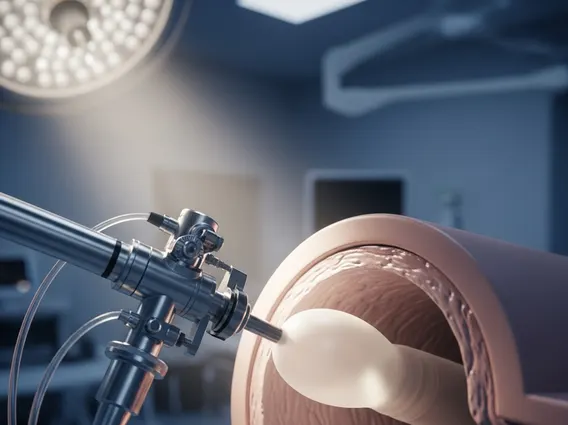
The intraluminal intubation procedure steps generally begin with the careful insertion of an endoscope or similar visualization tool to locate and assess the stricture. Once the narrowed segment is identified, a guidewire is typically advanced through the endoscope and past the stricture to provide a stable path for the dilating instruments. The choice of medical dilation techniques explained depends on the location, nature, and severity of the stricture.
Common dilation techniques include:
- Balloon Dilation: A deflated balloon catheter is advanced over the guidewire into the stricture. The balloon is then inflated to a specific pressure and diameter for a short period, gradually stretching the narrowed tissue. This method allows for controlled and radial force application.
- Bougie Dilation: This involves passing a series of progressively larger, flexible dilators (bougies) over a guidewire or directly through the endoscope. Each bougie is slightly larger than the last, incrementally widening the stricture.
- Stent Placement: In some cases, after initial dilation, a self-expanding metallic or plastic stent may be placed within the lumen to maintain patency and prevent re-narrowing, especially for recurrent or malignant strictures.
The procedure is usually performed under sedation or general anesthesia, and careful monitoring ensures patient safety. Post-procedure care involves monitoring for complications such as perforation or bleeding and providing instructions for recovery.
Medical Applications and Uses
The intraluminal dilation medical uses are extensive, addressing a wide range of conditions that cause luminal narrowing throughout the body. One of the most common applications is in the gastrointestinal tract, particularly for esophageal strictures caused by gastroesophageal reflux disease (GERD), eosinophilic esophagitis, or radiation therapy. Dilation in these cases can significantly improve a patient’s ability to swallow food and liquids.
Beyond the esophagus, intraluminal dilation is also vital in treating:
- Biliary Strictures: Narrowings in the bile ducts, often due to gallstones, pancreatitis, or post-surgical complications, can be dilated to restore bile flow and prevent complications like jaundice or cholangitis.
- Bronchial Strictures: In the respiratory system, strictures in the bronchi (airways) can result from inflammation, infection, or tumors. Dilation helps improve airflow and alleviate breathing difficulties.
- Urethral Strictures: Narrowings in the urethra can impede urine flow, leading to urinary retention and infections. Dilation helps restore normal urination.
Clinical studies indicate that endoscopic dilation procedures, when performed for benign strictures, often achieve technical success rates exceeding 85%, significantly improving patient symptoms and quality of life. This makes Intraluminal Intubation And Dilation a highly effective and frequently utilized intervention in modern medicine for restoring function and alleviating discomfort caused by internal luminal obstructions.



















