Intraepithelial
Intraepithelial refers to structures or processes occurring within the epithelial layer of tissues. This term is crucial in medicine, particularly in pathology and oncology, to describe the location of cells, lesions, or other phenomena.
Key Takeaways
- Intraepithelial describes anything located within the epithelial tissue layer.
- The term is vital in pathology for classifying conditions like dysplasia or carcinoma in situ.
- Intraepithelial cells perform diverse functions, including protection, secretion, and absorption.
- Common intraepithelial tissue types include squamous, columnar, and transitional epithelia.
- Understanding this term helps in diagnosing and staging various diseases, especially cancers.
What is Intraepithelial?
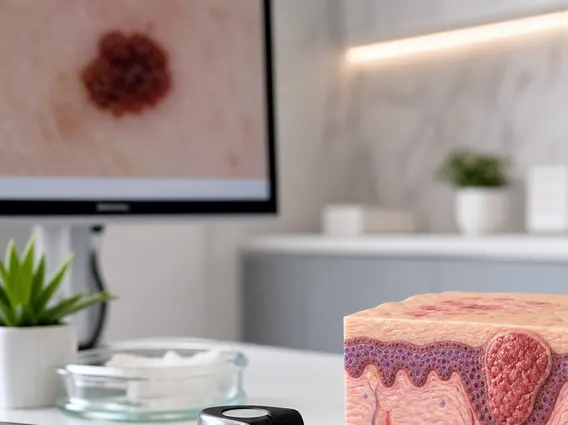
The term Intraepithelial refers to anything situated or occurring within the epithelium. The epithelium is a fundamental tissue type that forms the outer surface of the body and lines the internal cavities and organs. It acts as a protective barrier, regulates substance passage, and performs secretory and absorptive functions. The intraepithelial meaning is therefore directly tied to this specific tissue layer, distinguishing phenomena that are confined to it from those that have invaded deeper tissues.
In a clinical context, “intraepithelial” often precedes other terms to describe the extent of a pathological change. For instance, “intraepithelial neoplasia” indicates abnormal cell growth confined strictly to the epithelial layer, without breaching the basement membrane. This distinction is critical for diagnosis, prognosis, and treatment planning, as lesions confined to the epithelium generally have a better prognosis and require less invasive treatment compared to invasive lesions.
Intraepithelial Cells: Function and Tissue Types
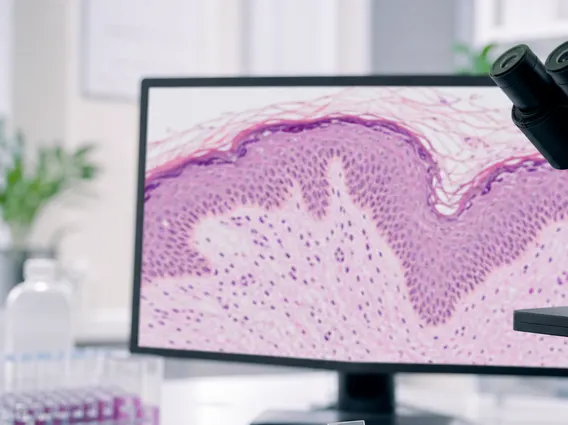
Intraepithelial cells function varies significantly depending on their location and the specific type of epithelium. Generally, epithelial cells are involved in protection, secretion, absorption, filtration, and sensory reception. For example, in the skin, intraepithelial keratinocytes form a protective barrier, while in the gastrointestinal tract, intraepithelial cells are specialized for nutrient absorption and mucus secretion. Beyond the primary epithelial cells, the intraepithelial compartment can also host immune cells, such as intraepithelial lymphocytes (IELs), which play a crucial role in immune surveillance and defense against pathogens at mucosal surfaces.
There are several primary intraepithelial tissue types, each characterized by the shape of its cells and the number of layers. These include:
- Squamous Epithelium: Composed of flattened cells, often found in the skin, lining of the mouth, esophagus, and blood vessels. It provides a smooth surface for fluid flow and acts as a protective barrier.
- Cuboidal Epithelium: Consists of cube-shaped cells, typically involved in secretion and absorption. It is common in glands (e.g., thyroid, salivary) and kidney tubules.
- Columnar Epithelium: Made up of tall, column-shaped cells, often specialized for secretion and absorption. It lines the stomach, intestines, and parts of the respiratory tract, sometimes featuring cilia or microvilli.
- Transitional Epithelium: A stratified epithelium found in organs that need to stretch, such as the bladder, ureters, and urethra. Its cells can change shape from cuboidal to squamous depending on the distension of the organ.
Understanding the specific type of epithelium and the normal function of its intraepithelial cells is essential for identifying abnormalities. Pathological conditions often involve changes in these cells, such as dysplasia (abnormal cell development) or carcinoma in situ (cancer confined to the epithelium), which are key indicators for medical intervention.