
Inositol
Inositol is a naturally occurring sugar alcohol that plays a crucial role in various cellular processes within the human body. Often referred to as a pseudovitamin, it is essential for cell signaling and overall metabolic health.
Key Takeaways
- Inositol is a carbocyclic sugar alcohol vital for cell communication and metabolic functions.
- It exists in several forms, with myo-inositol and D-chiro-inositol being the most studied.
- Research suggests potential therapeutic benefits for conditions such as Polycystic Ovary Syndrome (PCOS) and metabolic syndrome.
- It contributes to mental well-being by influencing neurotransmitter activity.
- Ongoing studies continue to explore its diverse impacts on human health.
What is Inositol: Definition and Forms
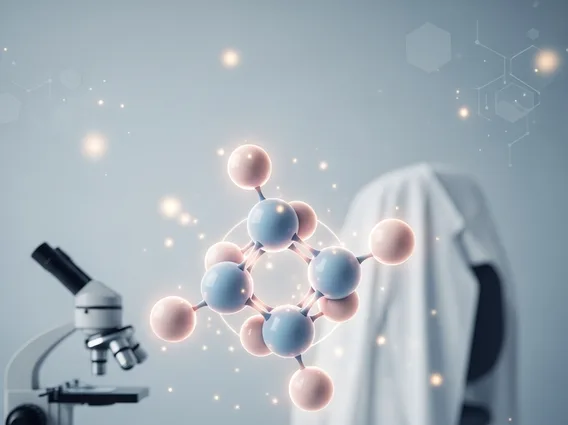
Inositol refers to a group of nine stereoisomers of hexahydroxycyclohexane, a carbocyclic sugar alcohol that is structurally similar to glucose. It is found abundantly in nature, present in many foods like fruits, nuts, grains, and beans, and is also synthesized by the human body. This compound is integral to the structural integrity of cell membranes and plays a vital role as a secondary messenger in various cellular signaling pathways, influencing processes such as insulin signaling and nerve impulse transmission.
While there are several forms, two are particularly significant in human physiology and research:
- Myo-inositol: This is the most common and biologically active form, involved in numerous cellular functions, including insulin signal transduction and neurotransmitter regulation.
- D-chiro-inositol: Another important stereoisomer, it is derived from myo-inositol and also plays a role in insulin signaling, particularly in glucose metabolism.
These forms work synergistically within the body, with specific ratios often being crucial for optimal function, especially in reproductive and metabolic health.
Inositol Benefits and Therapeutic Uses
The diverse roles of inositol in cellular processes translate into several potential therapeutic applications. One of the most significant areas of study for inositol benefits and uses is in the management of Polycystic Ovary Syndrome (PCOS). In women with PCOS, supplementation, particularly with myo-inositol and D-chiro-inositol, has shown promise in improving insulin sensitivity, reducing androgen levels, restoring menstrual regularity, and promoting ovulation. According to the Centers for Disease Control and Prevention (CDC), PCOS affects approximately 6% to 12% of women of reproductive age in the United States, highlighting the importance of effective management strategies.
Beyond PCOS, inositol has been investigated for its potential benefits in other metabolic conditions. It may help improve markers of metabolic syndrome, such as blood pressure, cholesterol levels, and triglyceride levels, by enhancing insulin sensitivity. Furthermore, it has been explored as a supportive agent in managing gestational diabetes, contributing to better glucose control during pregnancy. Its influence on neurotransmitter systems also suggests a role in mental health, where it has been studied for its potential to alleviate symptoms of anxiety, depression, and obsessive-compulsive disorder (OCD) by modulating serotonin and dopamine pathways.
How Inositol Impacts Health and Well-being
The profound impact of inositol on health and well-being stems from its fundamental involvement in cellular communication. As a precursor to various secondary messengers, it facilitates the response of cells to hormones and neurotransmitters. For instance, its role in the insulin signaling pathway is critical; by enhancing the cell’s sensitivity to insulin, inositol helps regulate blood sugar levels, which is vital for preventing and managing conditions like type 2 diabetes and metabolic syndrome. This mechanism is a key aspect of its overall inositol health effects.
Moreover, inositol significantly influences the central nervous system. It is a component of phospholipids in brain cells and plays a role in the synthesis of neurotransmitters such as serotonin, dopamine, and norepinephrine. This modulation of neurotransmitter activity is believed to contribute to its potential anxiolytic and antidepressant effects, supporting mood regulation and cognitive function. Its involvement in nerve signal transmission also extends to peripheral nerve health. While inositol can offer supportive benefits for various health aspects, it is important to remember that information regarding complementary therapies should not replace professional medical advice or prescribed treatments. Always consult with a healthcare provider before starting any new supplement regimen.



















