Injection
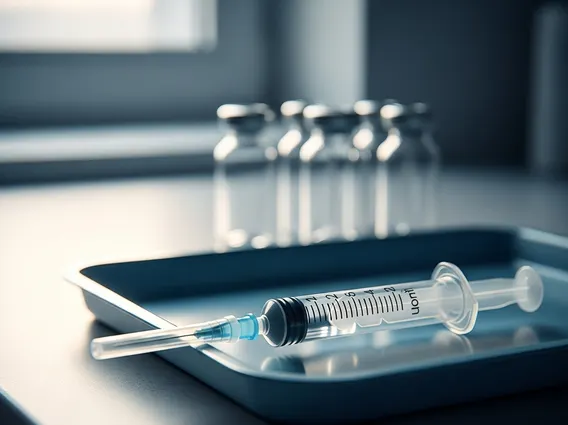
An Injection is a common medical procedure involving the delivery of a substance, such as medication or a vaccine, into the body using a needle and syringe. This method allows for rapid and effective absorption, bypassing the digestive system.
Key Takeaways
- An Injection is a medical procedure that delivers substances directly into the body via a needle and syringe.
- It is crucial for administering medications, vaccines, and diagnostic agents efficiently.
- Common types include intramuscular, subcutaneous, intravenous, and intradermal, each suited for different purposes and absorption rates.
- The procedure involves careful preparation, sterile technique, and proper administration to ensure safety and efficacy.
- Injections play a vital role in disease prevention and treatment worldwide.
What is an Injection?
An Injection refers to the process of introducing a liquid substance into the body, typically with a syringe and a hollow needle. This method is widely used in medicine to administer drugs, vaccines, nutrients, or other therapeutic agents directly into tissues or the bloodstream. The primary advantage of an injection is its ability to deliver substances quickly and efficiently, ensuring they reach their target site without degradation by the digestive system, as might occur with oral medications.
The effectiveness of an injection stems from its direct delivery, which can lead to faster onset of action and more predictable absorption rates compared to other routes of administration. According to the World Health Organization (WHO), immunizations delivered via injection prevent millions of deaths each year globally, making them one of the most successful and cost-effective health interventions. This procedure is fundamental to modern healthcare, enabling both preventive care and the treatment of various acute and chronic conditions.
Types of Medical Injections
There are several types of medical injections, each designed for specific purposes based on the desired absorption rate, the volume of the substance, and the target tissue. The choice of injection type depends on the medication, the patient’s condition, and the intended therapeutic effect.
Here are the most common types:
- Intramuscular (IM) Injection: Delivered deep into muscle tissue, which has a rich blood supply, allowing for rapid absorption. Common sites include the deltoid muscle in the arm, the vastus lateralis in the thigh, and the gluteal muscles in the buttocks. Many vaccines and certain antibiotics are given via IM injection.
- Subcutaneous (SC or SubQ) Injection: Administered into the fatty tissue layer just beneath the skin. This route provides slower, sustained absorption compared to IM injections. Insulin, heparin, and some vaccines are often given subcutaneously.
- Intravenous (IV) Injection: Involves injecting directly into a vein, providing immediate entry into the bloodstream. This method is used for rapid delivery of medications, fluids, blood products, and for emergency situations where quick action is critical.
- Intradermal (ID) Injection: Given into the dermis, the layer just below the epidermis of the skin. This route is typically used for diagnostic tests, such as tuberculosis screening (PPD test), and allergy tests, as absorption is very slow, allowing for observation of local reactions.
How Injections Work and Procedure Explained
Understanding how injections work involves recognizing the physiological mechanisms by which substances are absorbed and distributed throughout the body. When an injection is administered, the substance is deposited into a specific tissue layer—muscle, subcutaneous fat, or directly into a vein. From these sites, the body’s circulatory system facilitates its distribution. For instance, intramuscular injections leverage the rich vascularity of muscle tissue for quick systemic absorption, while subcutaneous injections rely on the slower diffusion through fatty tissue into capillaries.
The injection procedure explained emphasizes sterility, precision, and patient safety. A typical procedure involves several key steps:
- Preparation: The healthcare professional washes hands, dons gloves, and gathers all necessary supplies, including the correct medication, syringe, needle, and alcohol swabs. The medication is prepared according to dosage requirements.
- Site Selection and Cleansing: An appropriate injection site is chosen based on the type of injection and medication. The skin at the site is thoroughly cleaned with an antiseptic solution (e.g., alcohol swab) and allowed to air dry to prevent infection.
- Administration: The needle is inserted at the correct angle for the specific injection type (e.g., 90 degrees for IM, 45 degrees for SC). The plunger is then depressed steadily to deliver the medication. For some injections, aspiration (pulling back on the plunger) may be performed to ensure the needle is not in a blood vessel, though this practice varies depending on the injection type and current guidelines.
- Post-Injection Care: After the medication is delivered, the needle is swiftly withdrawn, and gentle pressure may be applied to the site with a sterile gauze. The used needle and syringe are immediately disposed of in a sharps container to prevent needlestick injuries.
Adherence to these steps ensures the efficacy of the injection and minimizes risks such as infection, tissue damage, or adverse reactions.