
Infusion
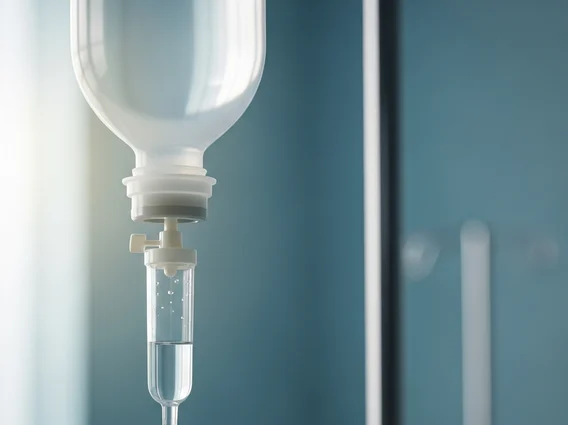
Infusion therapy is a critical medical procedure that involves delivering medications, fluids, or nutrients directly into a patient’s bloodstream or other body compartments. This method ensures efficient and targeted delivery, often when oral administration is not effective or possible.
Key Takeaways
- Infusion therapy delivers substances directly into the body, most commonly intravenously.
- It is essential for treating a wide range of conditions, from infections to cancer and dehydration.
- Treatments can be administered in various settings, including hospitals, clinics, and even at home.
- The process requires careful preparation, precise administration, and continuous patient monitoring.
- Infusion provides a direct and effective route for complex medical treatments and nutritional support.
What is Infusion Therapy?
Infusion therapy explained refers to the medical administration of fluids, medications, or blood products into a patient’s body, typically through a needle or catheter. This method bypasses the digestive system, allowing for rapid absorption and immediate systemic effects. The primary goal of Infusion is to deliver therapeutic agents directly into the bloodstream, ensuring that the medication reaches its target efficiently and in precise dosages. This approach is particularly vital for drugs that are poorly absorbed orally, require specific concentrations, or need to act quickly.
The scope of what is medical infusion is broad, encompassing treatments for chronic illnesses, severe infections, cancer, and dehydration. It can also be used for pain management, nutritional support, and to administer blood transfusions. Healthcare professionals carefully determine the appropriate type of infusion, dosage, and administration rate based on the patient’s condition and the specific therapeutic goals, ensuring safety and efficacy throughout the treatment course.
Types of Infusion Treatments
The application of infusion therapy is diverse, with various methods tailored to specific medical needs. The types of infusion treatments are primarily categorized by the route of administration, each offering distinct advantages depending on the medication and patient condition. Intravenous (IV) infusion is the most common, delivering substances directly into a vein, which allows for immediate entry into the bloodstream. This method is frequently used for antibiotics, chemotherapy, and hydration.
Beyond IV, other significant infusion routes include:
- Subcutaneous Infusion: Medications are delivered into the fatty tissue just under the skin. This method is often used for insulin, certain pain medications, and immunoglobulins, offering a slower, more sustained release and can sometimes be self-administered at home.
- Epidural Infusion: Medications are delivered into the epidural space around the spinal cord. This is primarily used for pain management, particularly during childbirth or after surgery, providing localized relief.
- Intramuscular Infusion: Medications are injected into a muscle, allowing for absorption into the bloodstream. While technically an injection, it’s a form of infusion for certain vaccines or medications that require slower absorption than IV but faster than subcutaneous.
- Intraosseous Infusion: Used in emergency situations when IV access is difficult, this involves injecting fluids or medications directly into the bone marrow, providing a non-collapsible route to the circulatory system.
The choice of infusion type depends on factors such as the medication’s properties, the desired speed of action, the duration of treatment, and patient comfort. Each method requires specialized equipment and trained personnel to ensure safe and effective delivery.
The Process of Medical Infusion
Understanding how does infusion work in medicine involves recognizing a systematic process designed for patient safety and therapeutic effectiveness. The process typically begins with a thorough assessment of the patient’s medical history, current condition, and the specific medication prescribed. A healthcare professional, often a nurse, prepares the medication according to precise dosages and sterile protocols. This includes diluting the drug if necessary and ensuring it is compatible with the infusion solution.
Next, the access site is prepared. For intravenous infusions, this involves selecting an appropriate vein, cleaning the skin, and inserting a catheter or needle. Once the access is established, the medication is connected to the catheter via tubing, and an infusion pump is often used to control the rate of delivery. This pump ensures that the medication is administered steadily and accurately over the prescribed period, which can range from minutes to several hours.
Throughout the infusion, the patient is closely monitored for any adverse reactions, such as allergic responses, pain at the insertion site, or changes in vital signs. Healthcare providers also educate patients on potential side effects and what to report. After the infusion is complete, the catheter is carefully removed, and the site is dressed. The entire process emphasizes sterility, precision, and continuous patient care to maximize therapeutic benefits and minimize risks.



















