
Indian Cress
Indian Cress is a versatile plant known for its distinctive peppery flavor and vibrant appearance, often utilized in both culinary and traditional medicinal practices. This article explores its characteristics, health benefits, and practical guidance for cultivation.
Key Takeaways
- Indian Cress (Tropaeolum majus) is an edible flowering plant recognized for its pungent taste and ornamental value.
- It is rich in vitamins, minerals, and compounds like glucosinolates, contributing to its potential health benefits.
- The plant has a history of use in traditional medicine for its antiseptic and expectorant properties.
- Cultivating Indian Cress is relatively straightforward, thriving in well-drained soil and full to partial sun.
- Regular harvesting of leaves and flowers encourages continuous growth and provides fresh ingredients.
What is Indian Cress?
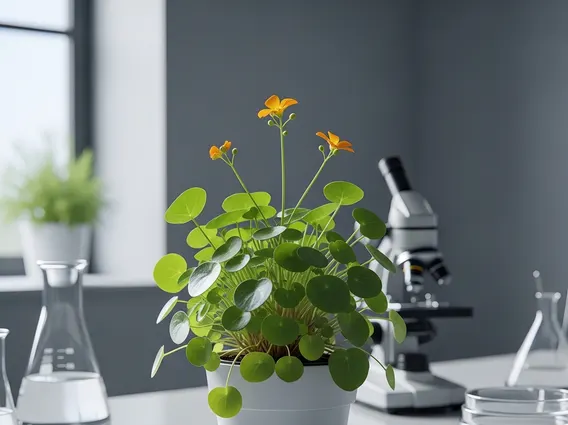
Indian Cress refers to Tropaeolum majus, a flowering plant native to the Andes mountains of South America, commonly known as nasturtium. This annual or perennial herb is celebrated for its striking, vibrant flowers and distinctive, peppery-tasting leaves and seeds. Often grown as an ornamental plant, it is also highly valued for its culinary and traditional medicinal applications. The entire indian cress plant is edible, offering a unique flavor profile that adds a zesty kick to various dishes. Its round, shield-shaped leaves and bright, trumpet-shaped flowers are easily recognizable.
The plant’s characteristic pungent flavor comes from compounds called glucosinolates, which are also found in other cruciferous vegetables. Beyond its taste, these compounds are believed to contribute to its potential health-promoting properties. Indian Cress is relatively easy to grow, making it a popular choice for home gardens and culinary enthusiasts seeking both beauty and utility from their plants.
Health Benefits and Culinary Uses
The indian cress benefits and uses are extensive, spanning both nutritional and traditional medicinal applications. Rich in Vitamin C, iron, and other antioxidants, it has been traditionally used to support immune function and overall well-being. Its compounds, particularly glucosinolates, are studied for their potential antimicrobial and anti-inflammatory properties. Historically, it has been employed as a natural antiseptic and expectorant.
Culinary applications of Indian Cress are diverse due to its unique flavor:
- Leaves: Young leaves add a peppery, slightly mustard-like flavor to salads, sandwiches, and pestos.
- Flowers: The vibrant flowers are not only beautiful garnishes but also edible, offering a milder peppery taste, perfect for salads or infused vinegars.
- Seed Pods: Unripe seed pods can be pickled and used as a caper substitute, providing a tangy, spicy burst of flavor.
- Stems: The tender stems can also be chopped and added to stir-fries or soups for an extra zing.
While Indian Cress offers various health-supporting properties, it is important to note that information regarding its use for specific medical conditions is supportive only and does not replace professional medical treatment or advice. Always consult with a healthcare provider for any health concerns.
Cultivating and Caring for Indian Cress
Learning how to grow indian cress at home is a rewarding experience, as this plant is quite resilient and low-maintenance. It thrives in full sun to partial shade, preferring well-drained soil that isn’t overly rich, as too much fertility can lead to more foliage and fewer flowers. Seeds can be sown directly into the garden after the last frost or started indoors a few weeks prior. Soaking the seeds overnight before planting can aid germination. Space plants about 10-12 inches apart to allow for proper air circulation and growth.
For an effective indian cress plant care guide, consider these key aspects:
- Watering: Keep the soil consistently moist, especially during dry spells, but avoid waterlogging. Established plants are somewhat drought-tolerant.
- Soil: Prefers moderately fertile, well-drained soil. Avoid heavy fertilization, which can reduce flowering.
- Pest Control: Indian Cress can act as a trap crop for aphids, drawing them away from other plants. Inspect regularly and use organic pest control methods if necessary.
- Harvesting: Regularly pick leaves and flowers to encourage continuous production. This also prevents the plant from going to seed too quickly.
- Support: Vining varieties may benefit from a trellis or support structure to climb, while bush varieties are more self-contained.
With proper care, Indian Cress will provide a continuous supply of flavorful leaves and beautiful flowers throughout the growing season, enhancing both your garden and your kitchen.



















