
Immune Function
Immune Function is the body’s intricate defense mechanism, crucial for protecting against a vast array of pathogens, toxins, and abnormal cells. Understanding how this vital system operates and how to maintain its strength is fundamental for overall health and well-being.
Key Takeaways
- Immune Function is the body’s defense system, identifying and neutralizing threats like bacteria, viruses, and cancerous cells.
- The immune system operates through a coordinated network of cells, tissues, and organs, employing both innate and adaptive responses.
- A healthy lifestyle, including balanced nutrition, adequate sleep, and stress management, significantly strengthens immune function.
- Recognizing signs of a compromised immune system, such as frequent infections, is important for timely intervention.
- Regular exercise offers substantial benefits, enhancing immune cell activity and reducing inflammation.
Understanding Immune Function: Its Definition and Purpose
Immune Function refers to the complex biological processes within an organism that protect against disease. It involves the recognition and elimination of foreign invaders, such as bacteria, viruses, fungi, and parasites, as well as the surveillance and destruction of abnormal cells, including cancerous ones. The primary purpose of this intricate system is to maintain the body’s integrity and health by distinguishing between self and non-self, mounting an appropriate response to threats, and developing immunological memory for faster future responses.
A well-functioning immune system is essential for survival, constantly working to prevent infections and diseases. It acts as a vigilant guardian, ensuring that the body remains resilient against environmental challenges and internal cellular malfunctions. Without robust Immune Function, individuals become highly susceptible to various illnesses, ranging from common colds to severe, life-threatening infections and cancers.
How Does the Immune System Work?
The immune system works through a highly coordinated network of specialized cells, tissues, and organs that collaborate to defend the body. This defense system is broadly categorized into two main branches: innate immunity and adaptive immunity.
Innate immunity provides immediate, non-specific protection. It includes physical barriers like skin and mucous membranes, as well as cellular components such as phagocytes (e.g., macrophages, neutrophils) that engulf and destroy pathogens, and natural killer (NK) cells that target infected or cancerous cells. This response is rapid but does not confer lasting immunity.
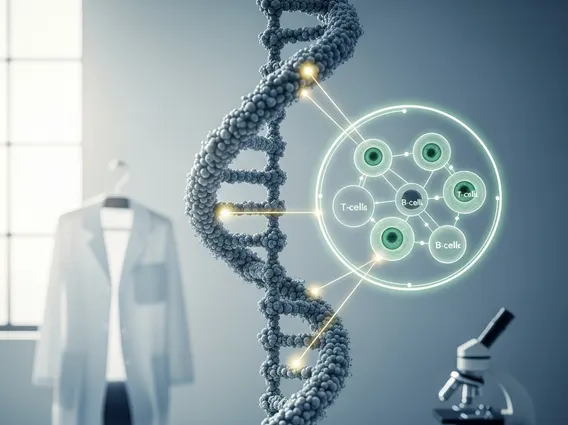
Adaptive immunity, also known as acquired immunity, is more specific and develops over time. It involves lymphocytes, specifically B cells and T cells. B cells produce antibodies that neutralize pathogens, while T cells directly kill infected cells or regulate immune responses. A key feature of adaptive immunity is immunological memory, which allows the body to mount a faster and stronger response upon subsequent exposure to the same pathogen. This is the principle behind vaccination.
Strengthening Immune Function: Signs of Weakness & Benefits of Exercise
A healthy lifestyle significantly strengthens immune function, making the body more resilient against illness. Key factors include a balanced diet rich in fruits, vegetables, and whole grains, adequate sleep (7-9 hours for adults), and effective stress management techniques. These elements collectively support the production and activity of immune cells and reduce systemic inflammation, which can otherwise suppress immune responses.
Recognizing signs of a weak immune system is crucial for addressing potential deficiencies. These signs often manifest as:
- Frequent and recurrent infections (e.g., colds, flu, ear infections).
- Slow wound healing.
- Chronic fatigue.
- Persistent digestive issues, such as diarrhea or constipation.
- Frequent cold sores or yeast infections.
If these signs are persistent, consulting a healthcare professional is advisable. Regular physical activity offers significant immune system benefits of exercise. Moderate exercise can increase the circulation of immune cells, such as natural killer cells and T cells, making them more effective at finding and neutralizing pathogens. It also helps reduce inflammation and stress hormones, which can otherwise suppress immune responses. For instance, studies have shown that individuals who engage in regular moderate exercise tend to experience fewer upper respiratory tract infections compared to sedentary individuals. The Centers for Disease Control and Prevention (CDC) recommends at least 150 minutes of moderate-intensity aerobic activity per week for adults to support overall health, including immune health.



















