
Immune Checkpoint Inhibitor
Immune Checkpoint Inhibitors represent a significant advancement in cancer treatment, harnessing the body’s own immune system to fight malignant cells. This class of drugs has revolutionized oncology by offering new hope for patients with various advanced cancers.
Key Takeaways
- Immune Checkpoint Inhibitors (ICIs) are a type of immunotherapy that block proteins (checkpoints) on immune cells or cancer cells.
- These inhibitors release the “brakes” on the immune system, allowing T cells to recognize and attack cancer cells more effectively.
- ICIs work by targeting specific immune checkpoints like PD-1, PD-L1, and CTLA-4.
- They are used to treat a growing list of cancers, including melanoma, lung cancer, and kidney cancer, often leading to durable responses.
- Immune checkpoint inhibitor therapy has transformed cancer care, offering a new treatment paradigm beyond traditional chemotherapy and radiation.
What is an Immune Checkpoint Inhibitor (ICI)?
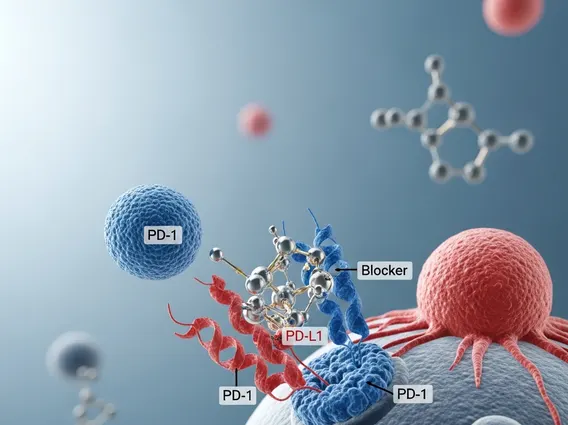
An Immune Checkpoint Inhibitor (ICI) is a type of drug that blocks proteins called immune checkpoints, which are naturally occurring “brakes” on the immune system. These checkpoints, such as programmed cell death protein 1 (PD-1), its ligand PD-L1, and cytotoxic T-lymphocyte-associated protein 4 (CTLA-4), normally help prevent the immune system from overreacting and attacking healthy cells. However, cancer cells often exploit these checkpoints to evade detection and destruction by the immune system. By blocking these checkpoints, ICIs essentially release the brakes, allowing the immune system, particularly T cells, to recognize and attack cancer cells more effectively. This innovative approach falls under the umbrella of immunotherapy, a field dedicated to stimulating the body’s natural defenses against disease.
How Immune Checkpoint Inhibitors Work
The mechanism of action for immune checkpoint inhibitors involves interfering with the signaling pathways that cancer cells use to suppress the immune response. When these inhibitors are administered, they bind to specific checkpoint proteins, preventing them from sending “off” signals to T cells. For instance, PD-1 inhibitors block the PD-1 receptor on T cells, while PD-L1 inhibitors block the PD-L1 ligand on cancer cells, both preventing the interaction that would normally deactivate T cells. Similarly, CTLA-4 inhibitors block CTLA-4 on T cells, which is another inhibitory receptor that dampens T cell activation. By disrupting these inhibitory signals, immune checkpoint inhibitors empower the immune system to mount a robust and sustained attack against malignant tumors. This process can lead to significant tumor shrinkage and improved survival rates for many patients.
Uses and Therapeutic Applications of Immune Checkpoint Inhibitors
Immune checkpoint inhibitor therapy has become a cornerstone in the treatment of numerous advanced cancers, transforming patient outcomes across various disease types. The applications of these inhibitors continue to expand as research uncovers new targets and combinations. Initially approved for melanoma, their utility has broadened significantly. The effectiveness of immune checkpoint inhibitor therapy explained through its ability to provide long-lasting responses in patients who previously had limited options.
Currently, ICIs are approved for treating a diverse range of malignancies, either as monotherapy or in combination with other treatments like chemotherapy or targeted therapy. Some key therapeutic applications include:
- Melanoma: Particularly advanced or unresectable melanoma, where ICIs have shown remarkable efficacy.
- Non-Small Cell Lung Cancer (NSCLC): Used in both first-line and subsequent lines of therapy, especially for tumors expressing PD-L1.
- Renal Cell Carcinoma (Kidney Cancer): Often used in combination with other agents or as a standalone treatment for advanced stages.
- Head and Neck Squamous Cell Carcinoma (HNSCC): For recurrent or metastatic disease.
- Urothelial Carcinoma (Bladder Cancer): For advanced or metastatic cases, particularly after platinum-based chemotherapy.
- Hodgkin Lymphoma: For relapsed or refractory disease.
- Microsatellite Instability-High (MSI-H) or Mismatch Repair Deficient (dMMR) Cancers: A tumor-agnostic approval for various solid tumors with these specific genetic markers.
The continuous development and approval of new ICIs and their combinations underscore their pivotal role in modern oncology, offering personalized and effective treatment strategies.



















