
Hysterectomy
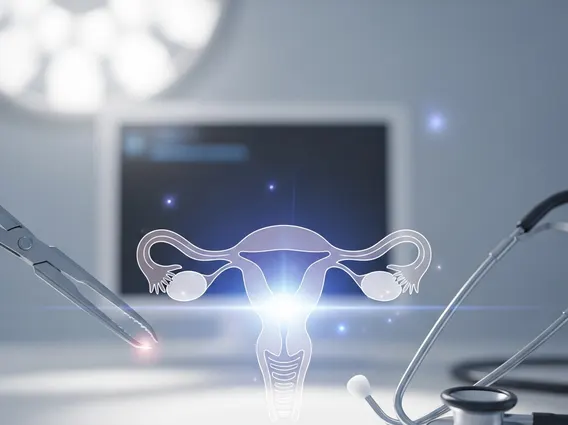
Hysterectomy is a significant surgical procedure involving the removal of the uterus, commonly performed to address various gynecological conditions that impact a woman’s health and quality of life.
Key Takeaways
- Hysterectomy is the surgical removal of the uterus, a common gynecological procedure.
- It is performed for a range of medical conditions, including fibroids, endometriosis, and certain cancers.
- There are different types of Hysterectomy, varying by the extent of tissue removed and the surgical approach.
- Recovery involves a timeline for healing, requiring rest and gradual return to normal activities.
What is Hysterectomy?
Hysterectomy is the surgical procedure to remove a woman’s uterus. This operation is a common major surgery among women globally, often considered when less invasive treatments have not been effective in managing severe gynecological conditions. Once a Hysterectomy is performed, a woman will no longer menstruate and cannot become pregnant. According to the Centers for Disease Control and Prevention (CDC), Hysterectomy is one of the most frequently performed gynecological surgeries in the United States, with hundreds of thousands of procedures occurring annually.
The decision to undergo a Hysterectomy is typically made after careful consideration of a patient’s symptoms, medical history, and future reproductive desires, ensuring it is the most appropriate course of action for their specific health needs.
Reasons for Hysterectomy and Surgical Types
There are several compelling reasons for Hysterectomy surgery, often stemming from conditions that cause significant pain, bleeding, or pose a risk to health. The most common indications include uterine fibroids, which are non-cancerous growths; endometriosis, where uterine tissue grows outside the uterus; and adenomyosis, a condition where endometrial tissue grows into the muscular wall of the uterus. Other reasons encompass uterine prolapse, abnormal uterine bleeding that cannot be controlled by other means, and various gynecological cancers affecting the uterus, cervix, or ovaries. Chronic pelvic pain that is unresponsive to other treatments can also be a reason.
The types of Hysterectomy explained vary based on which parts of the reproductive system are removed and the surgical approach used. Understanding these distinctions is crucial for patients and healthcare providers in determining the most suitable procedure:
- Total Hysterectomy: Involves the removal of the entire uterus and the cervix.
- Supracervical (or Subtotal) Hysterectomy: Only the upper part of the uterus is removed, leaving the cervix intact.
- Radical Hysterectomy: This extensive procedure removes the uterus, cervix, the top part of the vagina, and surrounding tissues, typically performed for certain gynecological cancers.
- Hysterectomy with Oophorectomy/Salpingectomy: Ovaries (oophorectomy) and/or fallopian tubes (salpingectomy) may be removed concurrently with the uterus, often due to disease or to reduce cancer risk.
Surgical approaches include abdominal (through an incision in the abdomen), vaginal (through the vagina), laparoscopic (minimally invasive using small incisions and a camera), and robotic-assisted laparoscopic, each offering different benefits and recovery profiles.
Hysterectomy Recovery Timeline
The Hysterectomy recovery timeline is a crucial aspect for patients to understand, as it involves a period of healing and gradual return to normal activities. Immediately after the procedure, patients typically experience pain and discomfort, which is managed with medication. Hospital stays vary depending on the surgical approach, from a few hours for minimally invasive procedures to several days for abdominal Hysterectomy.
The initial recovery phase, typically the first two to four weeks, requires significant rest, avoiding heavy lifting, strenuous activities, and sexual intercourse. Patients are encouraged to engage in light walking to promote circulation and prevent complications. Full recovery can take anywhere from six to eight weeks, or even longer for some individuals, especially after an abdominal Hysterectomy. It is essential to follow all post-operative instructions from the healthcare provider, including wound care, activity restrictions, and attending follow-up appointments, to ensure optimal healing and minimize risks.



















