Erythema
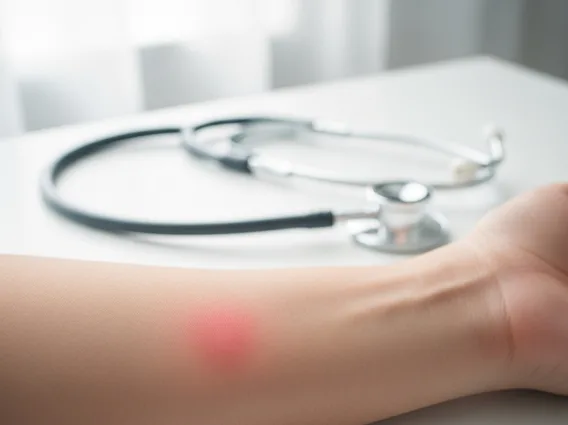
Erythema is a common dermatological sign characterized by redness of the skin or mucous membranes, resulting from hyperemia (increased blood flow) in superficial capillaries. It is a non-specific symptom that can indicate various underlying conditions, ranging from mild irritations to more serious systemic diseases.
Key Takeaways
- Erythema is skin redness caused by increased blood flow to capillaries.
- It can manifest due to infections, inflammation, allergic reactions, or physical stimuli.
- Symptoms often include warmth, swelling, and sometimes itching or pain.
- Various types exist, each with distinct causes and appearances.
- Treatment focuses on addressing the root cause and providing symptomatic relief.
What is Erythema?
Erythema refers to a medical condition characterized by redness of the skin or mucous membranes. This redness occurs due to increased blood flow to the superficial capillaries in the affected area, a process known as hyperemia. Unlike purpura, which results from bleeding into the skin and does not blanch under pressure, erythema typically blanches when pressed and returns to its red color once pressure is released. It is a common clinical sign that can be localized to a small area or widespread across the body, indicating a range of physiological responses or underlying pathologies.
Causes, Symptoms, and Types of Erythema
Understanding the origins and manifestations of this skin condition is crucial for proper diagnosis and management. Erythema causes and symptoms explained often involve a complex interplay of factors leading to the dilation of blood vessels. Common causes include infections (bacterial, viral, fungal), inflammatory conditions (like eczema or psoriasis), allergic reactions to medications or environmental triggers, physical stimuli (such as sunburn, heat, or friction), and autoimmune diseases.
Symptoms associated with erythema typically include:
- Redness: The most prominent feature, varying in intensity from faint pink to deep crimson.
- Warmth: The affected area often feels warmer to the touch due to increased blood flow.
- Swelling: Mild swelling or edema may accompany the redness.
- Itching or Pain: Depending on the cause, the area might be itchy, tender, or painful.
There are different types of erythema, each presenting with unique characteristics and etiologies. Some notable types include:
- Erythema multiforme: An acute, self-limiting inflammatory skin condition often triggered by infections (especially herpes simplex virus) or medications, characterized by target-like lesions.
- Erythema nodosum: A form of panniculitis (inflammation of subcutaneous fat) presenting as tender, red nodules, typically on the shins, often associated with systemic diseases or infections.
- Erythema migrans: The characteristic “bull’s-eye” rash associated with the early localized stage of Lyme disease, spreading outwards from the tick bite.
- Erythema toxicum neonatorum: A common, harmless rash seen in newborns, characterized by blotchy red spots with small bumps.
- Erythema ab igne: Caused by prolonged exposure to moderate heat, leading to a reticulated (net-like) erythema and hyperpigmentation.
Erythema Treatment and Relief
Effective erythema treatment and relief primarily involve addressing the underlying cause of the skin redness. Once the root cause is identified, specific interventions can be initiated. For instance, bacterial infections may require antibiotics, viral infections might be managed with antivirals, and allergic reactions often respond to antihistamines or corticosteroids.
Symptomatic relief is also a key component of managing erythema. This can include:
- Topical corticosteroids: To reduce inflammation and redness.
- Moisturizers: To soothe dry or irritated skin.
- Antihistamines: Oral or topical, to alleviate itching.
- Cool compresses: To reduce warmth and discomfort.
- Pain relievers: Over-the-counter options like ibuprofen or acetaminophen for pain.
In cases where erythema is a symptom of a chronic condition, long-term management strategies will be necessary, often involving ongoing medication or lifestyle adjustments. It is crucial to consult a healthcare professional for an accurate diagnosis and personalized treatment plan, especially if the erythema is widespread, persistent, painful, or accompanied by other severe symptoms.