
Stage Iv Perihilar Bile Duct Cancer
Stage IV Perihilar Bile Duct Cancer represents an advanced and challenging form of cancer originating in the bile ducts near the liver. Understanding its nature, symptoms, and available treatments is crucial for patients and their families.
Key Takeaways
- Stage IV Perihilar Bile Duct Cancer is an advanced malignancy affecting the bile ducts near the liver, indicating the cancer has spread beyond its primary site.
- Common Stage 4 perihilar bile duct cancer symptoms include jaundice, abdominal pain, unexplained weight loss, and fatigue.
- Treatment for stage IV perihilar bile duct cancer typically involves a combination of chemotherapy, radiation therapy, and palliative care aimed at managing symptoms and improving quality of life.
- The Prognosis of stage 4 perihilar bile duct cancer is generally guarded due to its advanced stage, but it varies significantly based on individual factors and treatment response.
What is Stage IV Perihilar Bile Duct Cancer?
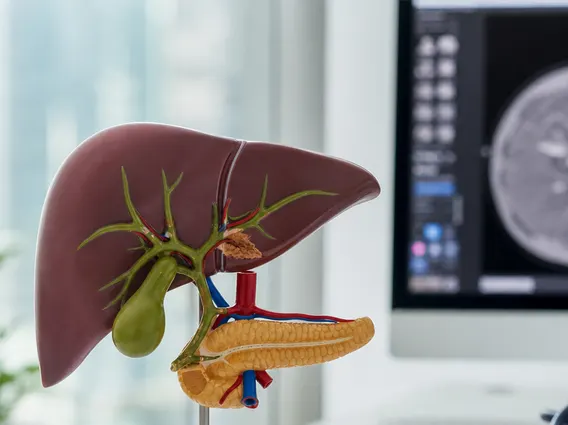
Stage IV Perihilar Bile Duct Cancer, also known as advanced hilar cholangiocarcinoma, refers to a malignant tumor that originates in the bile ducts located outside the liver but within the hilum (the area where blood vessels and bile ducts enter and exit the liver). The “Stage IV” designation indicates that the cancer has spread significantly. This can mean it has invaded nearby major blood vessels, spread to distant lymph nodes, or metastasized to other organs, such as the lungs or peritoneum. This advanced stage presents significant challenges for treatment due to the cancer’s widespread nature and proximity to vital structures.
Perihilar bile duct cancer is a relatively rare but aggressive form of cancer. Its location makes early detection difficult, often leading to diagnosis at advanced stages. The bile ducts are essential for transporting bile, a digestive fluid, from the liver and gallbladder to the small intestine. When cancer affects these ducts, it can obstruct bile flow, leading to various complications.
Recognizing Stage 4 Perihilar Bile Duct Cancer Symptoms
Recognizing the Stage 4 perihilar bile duct cancer symptoms is vital for timely diagnosis and management, although they often appear when the disease is already advanced. These symptoms typically arise from the obstruction of bile flow or the cancer’s spread to other areas of the body. Common indicators include:
- Jaundice: A yellowing of the skin and whites of the eyes, caused by the buildup of bilirubin in the blood due to obstructed bile flow.
- Abdominal Pain: Often localized in the upper right quadrant of the abdomen, which can be dull or sharp.
- Unexplained Weight Loss: Significant loss of body weight without intentional dieting.
- Fatigue: Persistent and overwhelming tiredness that is not relieved by rest.
- Dark Urine and Pale Stools: Changes in stool and urine color due to altered bilirubin excretion.
- Itching (Pruritus): Generalized itching of the skin, also a result of bile salt buildup.
- Fever: May occur if there is an infection in the obstructed bile ducts.
These symptoms can also be indicative of other conditions, making accurate diagnosis by a medical professional essential. Early consultation is critical if any of these signs are observed.
Treatment Options and Prognosis for Stage IV Perihilar Bile Duct Cancer
The Treatment for stage IV perihilar bile duct cancer focuses primarily on managing symptoms, controlling disease progression, and improving the patient’s quality of life, as curative surgery is typically not an option at this advanced stage. Treatment strategies are highly individualized and may involve a combination of therapies:
- Chemotherapy: Systemic drugs are used to kill cancer cells throughout the body or slow their growth. Common regimens include gemcitabine and cisplatin.
- Radiation Therapy: High-energy rays are used to target and destroy cancer cells in a specific area, often employed to reduce tumor size, alleviate pain, or manage local symptoms.
- Palliative Care: This is a crucial component, focusing on providing relief from the symptoms and stress of a serious illness. It aims to improve quality of life for both the patient and their family. This can include pain management, nutritional support, and psychological support.
- Biliary Drainage: Procedures such as stent placement or percutaneous transhepatic biliary drainage (PTBD) are often performed to relieve bile duct obstruction, which helps alleviate jaundice and itching.
- Targeted Therapy and Immunotherapy: For some patients, specific genetic mutations in the tumor may make them eligible for targeted therapies, while immunotherapy may be considered in select cases.
The Prognosis of stage 4 perihilar bile duct cancer is generally guarded due to the advanced nature of the disease, as the cancer has spread beyond its original site. Survival rates vary widely depending on factors such as the extent of metastasis, the patient’s overall health, and response to treatment. While a cure is often not achievable at Stage IV, advancements in treatment, particularly in chemotherapy and palliative care, have improved symptom management and can extend life expectancy for some individuals. According to the American Cancer Society, the overall 5-year survival rate for distant (Stage IV) intrahepatic and extrahepatic bile duct cancers combined is approximately 2-3%, highlighting the aggressive nature of the disease. Open discussions with the healthcare team about treatment goals and expected outcomes are crucial for informed decision-making.



















