De Qi Sensation
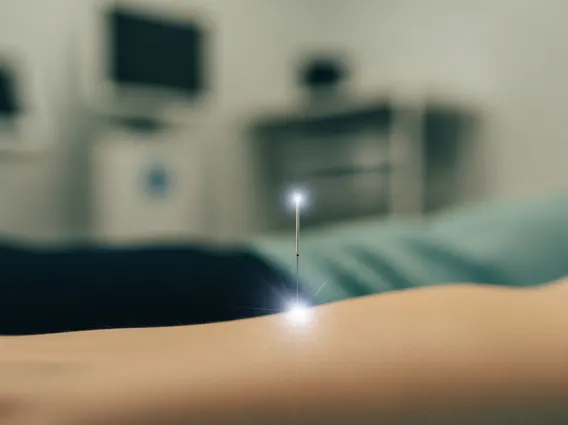
The De Qi Sensation is a fundamental concept in acupuncture, representing a distinct set of sensations experienced by patients during treatment. It signifies the arrival and engagement of vital energy, known as Qi, at the acupuncture point.
Key Takeaways
- De Qi Sensation refers to specific feelings experienced during acupuncture, indicating effective needle placement and Qi engagement.
- Common sensations include heaviness, dull ache, pressure, tingling, or numbness at the acupuncture point.
- These sensations are generally considered a positive sign, suggesting the therapeutic process is actively underway.
- While often desired, the absence of De Qi does not automatically mean an acupuncture treatment is ineffective.
- Understanding De Qi helps both practitioners and patients gauge the efficacy and depth of acupuncture treatment.
What is De Qi Sensation? Understanding the Acupuncture Phenomenon
De Qi Sensation is a term originating from Traditional Chinese Medicine (TCM) that describes the unique set of sensations a patient experiences when an acupuncture needle effectively stimulates an acupuncture point and engages the body’s vital energy, or Qi. The De Qi sensation meaning is deeply rooted in the philosophy of acupuncture, where it signifies the arrival of Qi and the initiation of the therapeutic process. This phenomenon is often sought by practitioners as an indicator that the treatment is correctly targeting the intended energetic pathways, or meridians.
In the context of De Qi in acupuncture explained, it is not merely a physical response to the needle, but a deeper physiological and energetic interaction. While the exact physiological mechanisms are still subjects of ongoing research, it is believed to involve the activation of nerve fibers, connective tissues, and local biochemical responses that contribute to the therapeutic effects of acupuncture. Many practitioners consider the presence of De Qi to be a crucial element for achieving optimal clinical outcomes, although its intensity and specific presentation can vary significantly among individuals.
Feeling De Qi During Acupuncture: Common Sensations
When feeling De Qi during acupuncture, patients typically report a range of distinct sensations that are different from sharp pain. These sensations are often described as deep and diffuse, localized around the acupuncture point, and sometimes radiating along the meridian pathway. It is important for patients to understand that these feelings are generally normal and desired, indicating that the needle has made contact with the body’s energy system.
Common sensations associated with De Qi include:
- Heaviness: A feeling of weight or fullness at the needle site.
- Dull Ache: A deep, sometimes throbbing, ache that is not sharp or piercing.
- Pressure: A sensation of localized compression or distension.
- Tingling: A buzzing or prickling sensation.
- Numbness: A localized feeling of reduced sensation.
- Warmth or Coolness: A change in temperature around the point.
- Radiation: The sensation may extend or travel along a specific path, often indicating the flow of Qi along a meridian.
The intensity of these sensations can vary from subtle to quite pronounced. An experienced acupuncturist will often adjust the needle’s depth or angle to elicit De Qi, ensuring the most effective engagement of the acupuncture point for the patient’s specific condition.
The Significance of De Qi in Acupuncture Treatment
The significance of De Qi in acupuncture treatment is multifaceted. From a practitioner’s perspective, eliciting De Qi confirms that the needle has been inserted correctly and is effectively stimulating the intended acupuncture point. This feedback is crucial for guiding the treatment and ensuring the therapeutic engagement of the body’s energy system. Many traditional and contemporary acupuncturists believe that the presence of De Qi correlates with better clinical outcomes, suggesting a more profound therapeutic effect.
Research into acupuncture mechanisms often explores the relationship between De Qi and treatment efficacy. While the exact correlation can vary depending on the condition being treated and individual patient responses, studies have indicated that experiencing De Qi can be a predictor of positive results for certain conditions. For instance, a systematic review published in the journal Acupuncture in Medicine highlighted that patient-reported De Qi sensations are frequently associated with clinical improvements, reinforcing its perceived importance in practice. However, it is also recognized that some individuals may achieve therapeutic benefits without experiencing strong De Qi, and its absence does not automatically negate the effectiveness of the treatment.
This information is provided for educational purposes only and is not intended to replace professional medical advice, diagnosis, or treatment. Always consult with a qualified healthcare provider for any health concerns or before making any decisions related to your health or treatment.