
Ct Colonography
CT Colonography is a non-invasive medical imaging procedure used to screen for colorectal cancer and other abnormalities in the large intestine. It offers an alternative to traditional colonoscopy for certain patients and clinical situations.
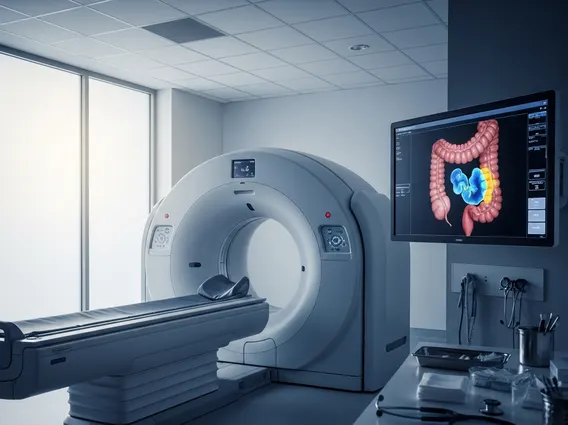
Key Takeaways
- CT Colonography, also known as virtual colonoscopy, is a less invasive screening method for colorectal cancer.
- The procedure uses X-rays and computer technology to create detailed images of the colon without requiring sedation.
- Preparation involves a bowel cleanse, similar to traditional colonoscopy, to ensure clear imaging.
- Advantages include its non-invasive nature, lower risk of perforation, and ability to visualize areas outside the colon.
- It serves as an important alternative, especially for individuals who cannot undergo or prefer to avoid traditional colonoscopy.
What is CT Colonography (Virtual Colonoscopy)?
CT Colonography, often referred to as virtual colonoscopy, is a specialized medical imaging technique that uses a computed tomography (CT) scan to produce detailed, two-dimensional and three-dimensional images of the large intestine (colon and rectum). This non-invasive procedure allows radiologists to examine the inner lining of the colon for polyps, tumors, or other abnormalities without inserting a long, flexible tube into the entire colon, as is done in a traditional colonoscopy. The process involves taking multiple X-ray images from different angles, which a computer then reconstructs into comprehensive views of the colon.
This method is particularly valuable for colorectal cancer screening, which is crucial for early detection and prevention. According to the Centers for Disease Control and Prevention (CDC), regular screening can find precancerous polyps, which can be removed before they turn into cancer, significantly reducing mortality rates from colorectal cancer.
Preparing for and Undergoing CT Colonography
Effective preparation is key to obtaining clear and accurate images during a CT Colonography. The preparation typically involves a thorough bowel cleanse, similar to that required for a traditional colonoscopy, to ensure the colon is free of stool. This usually includes a liquid diet for a day or two before the procedure and the consumption of a laxative solution. Additionally, patients may be asked to drink an oral contrast solution to mark any residual stool, allowing the radiologist to differentiate it from polyps or other findings.
The CT colonography procedure details involve the patient lying on a CT scanner table. Air or carbon dioxide is gently introduced into the colon through a small, flexible tube inserted a short distance into the rectum. This insufflation helps to distend the colon, providing clearer views of its inner surface. Two sets of CT scans are then performed: one with the patient lying on their back and another on their stomach or side. Each scan takes only a few minutes. The entire procedure is typically completed within 15 to 30 minutes, and no sedation is required, allowing patients to resume their normal activities almost immediately afterward.
Advantages and Comparison to Traditional Colonoscopy
CT Colonography offers several distinct advantages, making it a valuable option for colorectal cancer screening. The primary benefits of CT colonography include its non-invasive nature, which eliminates the need for sedation and reduces the risk of complications such as perforation of the colon, a rare but serious risk associated with traditional colonoscopy. It can also be performed on patients who may be at higher risk for complications from traditional colonoscopy or those who cannot tolerate sedation. Furthermore, CT Colonography can visualize areas of the colon that may be difficult to reach with a traditional colonoscope and can detect abnormalities outside the colon, such as in other abdominal organs.
When considering virtual colonoscopy vs traditional colonoscopy, it’s important to understand their differences:
| Feature | CT Colonography (Virtual Colonoscopy) | Traditional Colonoscopy |
|---|---|---|
| Invasiveness | Minimally invasive (rectal tube for air) | Invasive (scope inserted through entire colon) |
| Sedation | Not typically required | Usually required |
| Risk of Perforation | Very low | Low, but higher than CT Colonography |
| Polyp Removal | Cannot remove polyps during the procedure; requires follow-up colonoscopy | Can remove polyps during the procedure |
| Visualization | Excellent for lumen, can see outside colon | Direct visualization of mucosal surface |
| Recovery Time | Immediate return to normal activities | Typically a few hours due to sedation |
While CT Colonography is an excellent screening tool for detecting polyps and masses, if a significant finding is identified, a traditional colonoscopy will still be necessary for biopsy or removal. Both methods play crucial roles in colorectal cancer prevention and detection, and the choice between them often depends on individual patient factors, preferences, and medical history.



















