Cervical Dysplasia
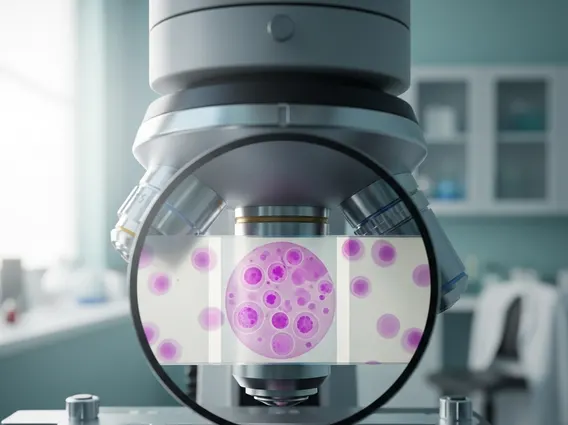
Cervical dysplasia is a condition characterized by the abnormal growth of cells on the surface of the cervix, the lower part of the uterus that connects to the vagina. It is considered a precancerous condition, meaning that if left untreated, these abnormal cells could potentially develop into cervical cancer over time.
Key Takeaways
- Cervical dysplasia involves abnormal, precancerous cell changes on the cervix, primarily caused by HPV.
- It often presents without noticeable symptoms, making regular screening crucial for early detection.
- Diagnosis relies on Pap tests, HPV tests, colposcopy, and biopsy to determine the severity of cell changes.
- Treatment ranges from watchful waiting for mild cases to procedures like LEEP or cryotherapy for more severe dysplasia.
- Early detection and intervention significantly reduce the risk of progression to cervical cancer.
What is Cervical Dysplasia?
Cervical dysplasia refers to the presence of abnormal, precancerous cells on the surface of the cervix. These cellular changes are typically caused by persistent infection with certain high-risk types of the Human Papillomavirus (HPV). The condition is classified by the severity of the cell changes, often using a system called Cervical Intraepithelial Neoplasia (CIN), which ranges from CIN1 (mild dysplasia) to CIN3 (severe dysplasia or carcinoma in situ).
CIN1 indicates mild changes, which often resolve on their own without intervention. CIN2 signifies moderate changes, while CIN3 represents severe changes that are more likely to progress to invasive cervical cancer if not treated. According to the World Health Organization (WHO), HPV infection is responsible for virtually all cases of cervical cancer, with high-risk HPV types 16 and 18 accounting for approximately 70% of cases globally. Understanding the nature of these cellular changes is vital for timely diagnosis and effective management, preventing potential progression to more serious conditions.
Recognizing Symptoms and Understanding Causes
One of the most challenging aspects of cervical dysplasia symptoms causes is that the condition often does not present with any noticeable symptoms in its early stages. Many individuals with mild or even moderate dysplasia are completely unaware they have the condition until it is detected through routine cervical screening tests, such as a Pap test. When symptoms do occur, they are typically non-specific and may include:
- Abnormal vaginal bleeding, such as bleeding after intercourse, between periods, or after menopause.
- Unusual vaginal discharge.
- Pelvic pain.
The primary cause of cervical dysplasia is persistent infection with high-risk types of the Human Papillomavirus (HPV). HPV is a very common sexually transmitted infection. While most HPV infections clear on their own, persistent infection with certain types, particularly HPV 16 and 18, can lead to cellular changes on the cervix. Other risk factors that can increase the likelihood of developing cervical dysplasia or its progression include a weakened immune system, smoking, long-term use of oral contraceptives, and having multiple sexual partners.
Diagnosis and Treatment Approaches
The early detection of cervical dysplasia is crucial for preventing its progression to cervical cancer. Cervical dysplasia diagnosis methods typically involve a series of screening and diagnostic tests. The most common initial screening tool is the Pap test (Papanicolaou test), which involves collecting cells from the cervix to examine them for abnormalities under a microscope. An HPV test, which detects the presence of high-risk HPV types, is often performed alongside or after an abnormal Pap test result. If these tests indicate abnormal cells, a colposcopy may be performed. During a colposcopy, a specialized magnifying instrument is used to visualize the cervix, and small tissue samples (biopsies) are taken from any suspicious areas for further laboratory analysis to confirm the diagnosis and determine the severity of the dysplasia.
Once diagnosed, cervical dysplasia treatment options vary depending on the severity of the dysplasia, the individual’s age, and other health factors. For mild dysplasia (CIN1), a “watchful waiting” approach is often recommended, as these changes frequently resolve spontaneously. Regular follow-up Pap tests and HPV tests are essential to monitor the condition. For moderate to severe dysplasia (CIN2 or CIN3), treatment is usually necessary to remove the abnormal cells and prevent progression to cancer. Common treatment procedures include:
- Loop Electrosurgical Excision Procedure (LEEP): A thin wire loop heated by electric current is used to remove the abnormal tissue.
- Cryotherapy: Abnormal cells are frozen off the cervix.
- Cone Biopsy (Conization): A cone-shaped piece of tissue containing the abnormal cells is surgically removed from the cervix.
These treatments are highly effective in removing precancerous cells. Regular follow-up care after treatment is vital to ensure that all abnormal cells have been removed and to monitor for any recurrence. It is important to note that information regarding supportive or complementary therapies is for informational purposes only and does not replace professional medical advice or treatment.