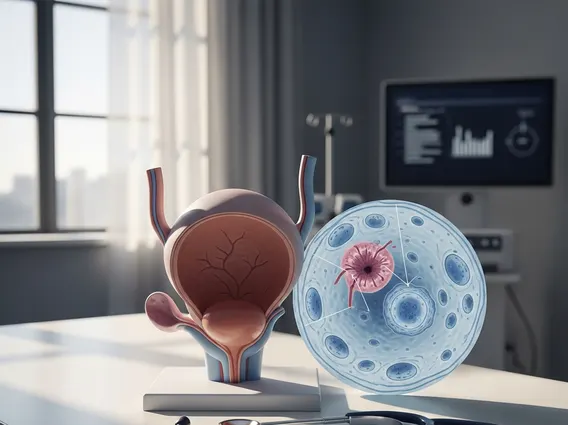
Diffuse Large B-Cell Lymphoma

Cervical Cancer Awareness

Diffuse Large B-Cell Lymphoma

Cervical Cancer Awareness is a global public health priority that encourages women to understand their risks, recognize early warning signs, and take advantage of proven prevention tools. Informed action — through regular screening, vaccination, and healthy lifestyle choices — can significantly reduce the burden of this largely preventable disease.

Key Takeaways

  • Cervical cancer develops in the cells lining the cervix, most commonly caused by persistent infection with high-risk strains of human papillomavirus (HPV).
  • Early-stage cervical cancer often produces no obvious symptoms, making routine screening essential for timely detection.
  • The HPV vaccine, combined with regular Pap and HPV tests, represents the most effective strategy for prevention.
  • According to the World Health Organization (WHO), cervical cancer is the fourth most common cancer in women globally, with over 660,000 new cases estimated each year.
  • January is recognized as Cervical Cancer Awareness Month, a time dedicated to education, advocacy, and encouraging women to schedule preventive care.

What Is Cervical Cancer and How Does It Develop

Cervical cancer is a malignancy that originates in the cells of the cervix — the lower, narrow portion of the uterus that connects to the vagina. The cervix is lined by two types of cells: squamous cells on the outer surface and glandular cells inside the cervical canal. Most cervical cancers arise at the junction of these two cell types, known as the transformation zone, where abnormal cellular changes are most likely to occur.

The development of cervical cancer is closely linked to persistent infection with high-risk strains of human papillomavirus (HPV), a sexually transmitted virus. HPV types 16 and 18 are responsible for approximately 70% of all cervical cancers, according to the WHO. When HPV infects cervical cells, it can interfere with normal cell regulation, causing precancerous lesions called cervical intraepithelial neoplasia (CIN). If left untreated, these lesions may progress to invasive cancer over a period of years or even decades.

It is important to note that most HPV infections resolve on their own without causing lasting harm. Only a small fraction of persistent high-risk HPV infections lead to cervical cancer. This multi-step progression from infection to precancer to cancer is why early detection through regular screening is so effective — abnormal cells can be identified and treated long before they become malignant.

Early Warning Signs, Risk Factors, and When to See a Doctor

Cervical cancer early warning signs and symptoms are often absent in the earliest stages of the disease, which is one of the primary reasons regular screening is so critical. As the disease advances, women may begin to notice unusual vaginal bleeding — particularly bleeding between periods, after sexual intercourse, or after menopause. Abnormal vaginal discharge that may be watery, bloody, or have an unpleasant odor can also signal a problem. Pelvic pain unrelated to menstruation is another symptom that warrants prompt medical evaluation.

Understanding the cervical cancer risk factors every woman should know helps contextualize personal health decisions. Persistent infection with high-risk HPV strains is the leading risk factor, but other factors can increase a woman’s vulnerability. Smoking has been shown to weaken the immune system’s ability to clear HPV infections. Long-term use of oral contraceptives (five or more years), having multiple sexual partners, a history of sexually transmitted infections, and a weakened immune system — such as in women living with HIV — also elevate risk. Women who have never received an HPV vaccine or who do not undergo regular screening face a significantly higher cumulative risk over their lifetime.

Any woman experiencing unusual bleeding, pelvic discomfort, or changes in vaginal discharge should consult a healthcare provider promptly. These symptoms are not always caused by cancer, but they should always be professionally evaluated. Early consultation allows for timely investigation and, if needed, rapid access to treatment when outcomes are most favorable.

Cervical Cancer Awareness: Screening Guidelines and HPV Vaccine Facts

Cervical cancer screening guidelines and recommendations have evolved significantly over the past two decades, reflecting improvements in testing technology and a deeper understanding of disease progression. In the United States, the American Cancer Society recommends that cervical cancer screening begin at age 25. Women aged 25 to 65 should receive a primary HPV test every five years. If a primary HPV test is not available, a co-test combining an HPV test with a Pap smear every five years, or a Pap smear alone every three years, is acceptable. Women over 65 who have had adequate prior screening may discontinue routine screening after consulting their physician.

The Pap smear, also called a Pap test, examines cervical cells for abnormalities, while HPV testing detects the presence of high-risk viral strains directly. These two approaches complement each other, as the combination improves sensitivity for detecting precancerous changes. Women with a history of abnormal results, those who are immunocompromised, or those with other clinical indications may require more frequent monitoring as directed by their healthcare provider.

HPV vaccine and cervical cancer prevention are directly linked, with vaccination representing one of the most powerful tools available in public health. The HPV vaccine is most effective when given before any exposure to HPV, making it recommended for preteens aged 11 to 12, though it can be administered from age 9. The CDC recommends vaccination through age 26 for those who were not vaccinated earlier. For adults aged 27 to 45, the decision to vaccinate should be made in consultation with a physician. The currently available nine-valent HPV vaccine protects against nine HPV strains, including the two highest-risk types responsible for the majority of cervical cancers. Vaccination does not eliminate the need for regular screening, as it does not protect against all cancer-causing strains.

Cervical Cancer Awareness Month: Key Statistics and Prevention Strategies

January serves as Cervical Cancer Awareness Month, an opportunity for health organizations, clinicians, and advocates worldwide to amplify education and encourage preventive action. The campaign focuses on sharing cervical cancer awareness month facts and statistics that illustrate the global scope of the disease and the impact of prevention. The WHO estimates that in 2020 alone, cervical cancer caused approximately 342,000 deaths globally, with more than 90% occurring in low- and middle-income countries where access to screening and treatment remains limited.

Despite these sobering figures, cervical cancer is considered one of the most preventable and treatable cancers when detected early. High-income countries that have implemented comprehensive vaccination and screening programs have seen dramatic reductions in cervical cancer incidence and mortality over recent decades. The WHO’s global strategy, adopted in 2020, aims to achieve 90% HPV vaccination coverage among girls by age 15, 70% screening coverage with a high-performance test by age 35 and again by age 45, and 90% access to treatment for women with cervical disease by 2030.

Effective prevention of cervical cancer in women rests on three interconnected pillars: vaccination, screening, and treatment of precancerous lesions. Beyond clinical interventions, certain lifestyle behaviors also contribute to risk reduction. Not smoking, limiting the number of sexual partners, using condoms consistently, and maintaining a healthy immune system all support overall cervical health. Community outreach during Cervical Cancer Awareness Month plays a meaningful role in closing knowledge gaps and removing barriers to care, particularly for underserved populations.

Cervical Cancer Prevention: Key Strategies at a Glance
Strategy Who It Benefits Key Action
HPV Vaccination Girls and boys aged 9–12 (up to age 26; consult doctor for ages 27–45) Receive the nine-valent HPV vaccine series
Regular Screening Women aged 25–65 HPV test every 5 years or Pap smear every 3 years
Treatment of Precancerous Lesions Women with abnormal screening results Follow-up colposcopy, biopsy, or ablative treatment as recommended
Lifestyle Modifications All women Avoid smoking, practice safer sex, maintain immune health

Frequently Asked Questions

At what age should women begin cervical cancer screening?

The American Cancer Society recommends that cervical cancer screening begin at age 25. Women between 25 and 65 should have a primary HPV test every five years. Those with a history of abnormal results or underlying health conditions may need a different schedule. Women who have undergone a hysterectomy that included removal of the cervix may not require continued routine screening, though this should be confirmed with a healthcare provider based on individual medical history.

Is the HPV vaccine still effective for adults over 26?

The HPV vaccine offers the greatest benefit when administered before any HPV exposure. For adults aged 27 to 45, the CDC advises shared clinical decision-making with a healthcare provider, as the benefit decreases with age and prior exposure. The vaccine can still provide some protection against strains not yet encountered. It does not treat existing HPV infections and is not a substitute for regular cervical cancer screening, which remains essential regardless of vaccination status.

Can cervical cancer be completely prevented?

Cervical cancer cannot be entirely eliminated, but the combination of HPV vaccination and regular screening dramatically reduces a woman’s lifetime risk. Most cases are linked to persistent high-risk HPV infection, which vaccination can largely prevent when administered early. Regular screening catches precancerous cell changes before they become invasive. Women who are vaccinated and screened according to current guidelines have the highest level of protection available through established, evidence-based medicine.


[EN] Cancer Types
Cancer Clinical Trial Options

Specialized matching specifically for oncology clinical trials and cancer care research.

Your Birthday


By filling out this form, you're consenting only to release your medical records. You're not agreeing to participate in clinical trials yet.

Cervical Cancer Awareness is a global public health priority that encourages women to understand their risks, recognize early warning signs, and take advantage of proven prevention tools. Informed action — through regular screening, vaccination, and healthy lifestyle choices — can significantly reduce the burden of this largely preventable disease.

Key Takeaways

  • Cervical cancer develops in the cells lining the cervix, most commonly caused by persistent infection with high-risk strains of human papillomavirus (HPV).
  • Early-stage cervical cancer often produces no obvious symptoms, making routine screening essential for timely detection.
  • The HPV vaccine, combined with regular Pap and HPV tests, represents the most effective strategy for prevention.
  • According to the World Health Organization (WHO), cervical cancer is the fourth most common cancer in women globally, with over 660,000 new cases estimated each year.
  • January is recognized as Cervical Cancer Awareness Month, a time dedicated to education, advocacy, and encouraging women to schedule preventive care.

What Is Cervical Cancer and How Does It Develop

Cervical cancer is a malignancy that originates in the cells of the cervix — the lower, narrow portion of the uterus that connects to the vagina. The cervix is lined by two types of cells: squamous cells on the outer surface and glandular cells inside the cervical canal. Most cervical cancers arise at the junction of these two cell types, known as the transformation zone, where abnormal cellular changes are most likely to occur.

The development of cervical cancer is closely linked to persistent infection with high-risk strains of human papillomavirus (HPV), a sexually transmitted virus. HPV types 16 and 18 are responsible for approximately 70% of all cervical cancers, according to the WHO. When HPV infects cervical cells, it can interfere with normal cell regulation, causing precancerous lesions called cervical intraepithelial neoplasia (CIN). If left untreated, these lesions may progress to invasive cancer over a period of years or even decades.

It is important to note that most HPV infections resolve on their own without causing lasting harm. Only a small fraction of persistent high-risk HPV infections lead to cervical cancer. This multi-step progression from infection to precancer to cancer is why early detection through regular screening is so effective — abnormal cells can be identified and treated long before they become malignant.

Early Warning Signs, Risk Factors, and When to See a Doctor

Cervical cancer early warning signs and symptoms are often absent in the earliest stages of the disease, which is one of the primary reasons regular screening is so critical. As the disease advances, women may begin to notice unusual vaginal bleeding — particularly bleeding between periods, after sexual intercourse, or after menopause. Abnormal vaginal discharge that may be watery, bloody, or have an unpleasant odor can also signal a problem. Pelvic pain unrelated to menstruation is another symptom that warrants prompt medical evaluation.

Understanding the cervical cancer risk factors every woman should know helps contextualize personal health decisions. Persistent infection with high-risk HPV strains is the leading risk factor, but other factors can increase a woman’s vulnerability. Smoking has been shown to weaken the immune system’s ability to clear HPV infections. Long-term use of oral contraceptives (five or more years), having multiple sexual partners, a history of sexually transmitted infections, and a weakened immune system — such as in women living with HIV — also elevate risk. Women who have never received an HPV vaccine or who do not undergo regular screening face a significantly higher cumulative risk over their lifetime.

Any woman experiencing unusual bleeding, pelvic discomfort, or changes in vaginal discharge should consult a healthcare provider promptly. These symptoms are not always caused by cancer, but they should always be professionally evaluated. Early consultation allows for timely investigation and, if needed, rapid access to treatment when outcomes are most favorable.

Cervical Cancer Awareness: Screening Guidelines and HPV Vaccine Facts

Cervical cancer screening guidelines and recommendations have evolved significantly over the past two decades, reflecting improvements in testing technology and a deeper understanding of disease progression. In the United States, the American Cancer Society recommends that cervical cancer screening begin at age 25. Women aged 25 to 65 should receive a primary HPV test every five years. If a primary HPV test is not available, a co-test combining an HPV test with a Pap smear every five years, or a Pap smear alone every three years, is acceptable. Women over 65 who have had adequate prior screening may discontinue routine screening after consulting their physician.

The Pap smear, also called a Pap test, examines cervical cells for abnormalities, while HPV testing detects the presence of high-risk viral strains directly. These two approaches complement each other, as the combination improves sensitivity for detecting precancerous changes. Women with a history of abnormal results, those who are immunocompromised, or those with other clinical indications may require more frequent monitoring as directed by their healthcare provider.

HPV vaccine and cervical cancer prevention are directly linked, with vaccination representing one of the most powerful tools available in public health. The HPV vaccine is most effective when given before any exposure to HPV, making it recommended for preteens aged 11 to 12, though it can be administered from age 9. The CDC recommends vaccination through age 26 for those who were not vaccinated earlier. For adults aged 27 to 45, the decision to vaccinate should be made in consultation with a physician. The currently available nine-valent HPV vaccine protects against nine HPV strains, including the two highest-risk types responsible for the majority of cervical cancers. Vaccination does not eliminate the need for regular screening, as it does not protect against all cancer-causing strains.

Cervical Cancer Awareness Month: Key Statistics and Prevention Strategies

January serves as Cervical Cancer Awareness Month, an opportunity for health organizations, clinicians, and advocates worldwide to amplify education and encourage preventive action. The campaign focuses on sharing cervical cancer awareness month facts and statistics that illustrate the global scope of the disease and the impact of prevention. The WHO estimates that in 2020 alone, cervical cancer caused approximately 342,000 deaths globally, with more than 90% occurring in low- and middle-income countries where access to screening and treatment remains limited.

Despite these sobering figures, cervical cancer is considered one of the most preventable and treatable cancers when detected early. High-income countries that have implemented comprehensive vaccination and screening programs have seen dramatic reductions in cervical cancer incidence and mortality over recent decades. The WHO’s global strategy, adopted in 2020, aims to achieve 90% HPV vaccination coverage among girls by age 15, 70% screening coverage with a high-performance test by age 35 and again by age 45, and 90% access to treatment for women with cervical disease by 2030.

Effective prevention of cervical cancer in women rests on three interconnected pillars: vaccination, screening, and treatment of precancerous lesions. Beyond clinical interventions, certain lifestyle behaviors also contribute to risk reduction. Not smoking, limiting the number of sexual partners, using condoms consistently, and maintaining a healthy immune system all support overall cervical health. Community outreach during Cervical Cancer Awareness Month plays a meaningful role in closing knowledge gaps and removing barriers to care, particularly for underserved populations.

Cervical Cancer Prevention: Key Strategies at a Glance
Strategy Who It Benefits Key Action
HPV Vaccination Girls and boys aged 9–12 (up to age 26; consult doctor for ages 27–45) Receive the nine-valent HPV vaccine series
Regular Screening Women aged 25–65 HPV test every 5 years or Pap smear every 3 years
Treatment of Precancerous Lesions Women with abnormal screening results Follow-up colposcopy, biopsy, or ablative treatment as recommended
Lifestyle Modifications All women Avoid smoking, practice safer sex, maintain immune health

Frequently Asked Questions

At what age should women begin cervical cancer screening?

The American Cancer Society recommends that cervical cancer screening begin at age 25. Women between 25 and 65 should have a primary HPV test every five years. Those with a history of abnormal results or underlying health conditions may need a different schedule. Women who have undergone a hysterectomy that included removal of the cervix may not require continued routine screening, though this should be confirmed with a healthcare provider based on individual medical history.

Is the HPV vaccine still effective for adults over 26?

The HPV vaccine offers the greatest benefit when administered before any HPV exposure. For adults aged 27 to 45, the CDC advises shared clinical decision-making with a healthcare provider, as the benefit decreases with age and prior exposure. The vaccine can still provide some protection against strains not yet encountered. It does not treat existing HPV infections and is not a substitute for regular cervical cancer screening, which remains essential regardless of vaccination status.

Can cervical cancer be completely prevented?

Cervical cancer cannot be entirely eliminated, but the combination of HPV vaccination and regular screening dramatically reduces a woman’s lifetime risk. Most cases are linked to persistent high-risk HPV infection, which vaccination can largely prevent when administered early. Regular screening catches precancerous cell changes before they become invasive. Women who are vaccinated and screened according to current guidelines have the highest level of protection available through established, evidence-based medicine.

[EN] Cancer Types
Cancer Clinical Trial Options

Specialized matching specifically for oncology clinical trials and cancer care research.

Your Birthday


By filling out this form, you're consenting only to release your medical records. You're not agreeing to participate in clinical trials yet.

Massive Bio has onboarded over 160,000+ cancer patients to find their clinical trial

Most Recent Article