Key Takeaways
- A plant-based diet focuses on whole, unprocessed plant foods, differing from veganism by allowing for more flexibility regarding animal products.
- Significant plant-based diet health benefits include improved heart health, reduced risk of chronic diseases, and better weight management.
- Essential plant-based foods encompass a wide array of fruits, vegetables, whole grains, legumes, nuts, and seeds, providing comprehensive nutrition.
- Starting a plant-based diet can be achieved through gradual transitions, such as “Meatless Mondays” or incorporating more plant-based meals daily.
- Effective meal planning and preparation are crucial for maintaining a balanced and enjoyable plant-based eating lifestyle.
What is a Plant-Based Diet?
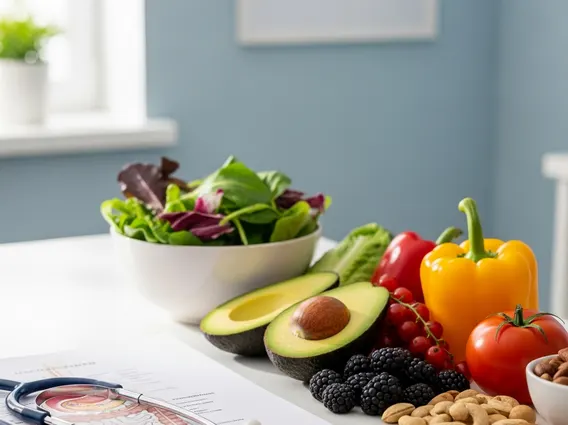
A plant-based diet emphasizes foods primarily from plant sources. This includes a rich variety of fruits, vegetables, whole grains, legumes (beans, lentils, peas), nuts, and seeds. While the core principle is to maximize plant intake, it doesn’t necessarily mean absolute exclusion of all animal products. Instead, it encourages a significant reduction and mindful consumption of animal-derived foods, focusing on their quality and source.
Key Principles of Plant-Based Eating
The fundamental principles of plant-based eating revolve around consuming whole, minimally processed foods. This approach naturally increases the intake of fiber, vitamins, minerals, and antioxidants, while often reducing saturated fat and cholesterol. It promotes a diverse diet, encouraging exploration of various plant foods to ensure a wide spectrum of nutrients.
- Focus on Whole Foods: Prioritize fruits, vegetables, whole grains, legumes, nuts, and seeds in their natural or minimally processed forms.
- Limit Processed Foods: Minimize consumption of refined grains, added sugars, unhealthy fats, and artificial ingredients.
- Mindful Animal Product Consumption: While not strictly eliminating animal products, the emphasis is on reducing their frequency and quantity, often opting for high-quality, sustainably sourced options if consumed.
Distinguishing from Veganism
Understanding what is a plant-based diet often involves differentiating it from veganism. While both diets center on plant foods, veganism is a stricter lifestyle choice that completely excludes all animal products—including meat, dairy, eggs, and honey—not just from the diet but also from clothing, cosmetics, and other aspects of life. A plant-based diet, conversely, is primarily a dietary pattern that allows for more flexibility. Someone following a plant-based diet might occasionally consume small amounts of fish, poultry, or dairy, but their primary focus remains on plants. This distinction makes a plant-based diet for beginners guide more accessible, as it offers a less rigid entry point.
Health Benefits of Plant-Based Eating
The widespread adoption of plant-based diets is largely driven by the compelling evidence of their positive impact on human health. Numerous studies highlight the significant plant-based diet health benefits, making it a recommended dietary pattern by many health organizations.
Improved Heart Health & Disease Prevention
One of the most well-documented benefits of plant-based eating is its profound effect on cardiovascular health. Diets rich in fruits, vegetables, and whole grains are naturally low in saturated fat and cholesterol, and high in fiber and antioxidants. This combination helps to lower blood pressure, reduce LDL (bad) cholesterol levels, and improve blood sugar control. According to the American Heart Association, adopting a plant-forward diet can significantly reduce the risk of heart disease, stroke, and type 2 diabetes. Furthermore, research published by the Centers for Disease Control and Prevention (CDC) indicates that diets rich in fruits and vegetables are associated with a reduced risk of certain cancers.
Weight Management & Gut Health
A plant-based diet is often effective for weight management due to its high fiber content. Fiber-rich foods promote satiety, helping individuals feel fuller for longer and naturally consume fewer calories. This can lead to sustainable weight loss or maintenance without restrictive calorie counting. Beyond weight, the diverse fiber sources in plant foods act as prebiotics, nourishing beneficial gut bacteria. A healthy gut microbiome is linked to improved digestion, enhanced immune function, and even better mood regulation. This symbiotic relationship between diet and gut health underscores the holistic advantages of a plant-focused approach.
Essential Plant-Based Foods & Meal Ideas
Embarking on a plant-based diet opens up a world of culinary possibilities, offering a vast array of delicious and nutritious ingredients. Understanding which foods to stock and how to combine them is key to a successful and enjoyable transition.
Staple Ingredients for Your Pantry
Building a well-stocked pantry is crucial for maintaining a consistent plant-based diet food list. These staples form the foundation of countless meals, ensuring you always have healthy options on hand:
| Category | Examples | Nutritional Value |
|---|---|---|
| Legumes | Lentils, chickpeas, black beans, kidney beans | Excellent source of protein, fiber, iron, and folate. |
| Whole Grains | Quinoa, brown rice, oats, whole wheat pasta, farro | Rich in complex carbohydrates, fiber, B vitamins, and minerals. |
| Nuts & Seeds | Almonds, walnuts, chia seeds, flax seeds, pumpkin seeds | Healthy fats (omega-3s), protein, fiber, and various micronutrients. |
| Fruits & Vegetables | Seasonal produce, frozen berries, spinach, broccoli, sweet potatoes | Vitamins, minerals, antioxidants, and dietary fiber. |
| Plant Milks | Almond milk, soy milk, oat milk (unsweetened) | Calcium, vitamin D (fortified), and often B12. |
Quick & Simple Meal Inspiration
Creating easy plant-based meal ideas doesn’t have to be complicated. Many delicious and satisfying dishes can be prepared with minimal effort using your pantry staples. The key is often in combining different food groups to ensure a balanced intake of macronutrients.
- Buddha Bowls: A versatile meal featuring a base of whole grains (quinoa, brown rice), topped with roasted vegetables, a protein source (chickpeas, tofu), healthy fats (avocado, nuts), and a flavorful dressing.
- Lentil Soup or Chili: Hearty and nutrient-dense, these can be made in large batches for meal prepping. They are packed with fiber and protein from lentils and beans, along with various vegetables.
- Bean Tacos/Burritos: Fill whole wheat tortillas with seasoned black beans, corn, salsa, avocado, and your favorite veggies for a quick and customizable meal.
- Overnight Oats: A perfect breakfast option, combining rolled oats with plant milk, chia seeds, fruit, and nuts, prepared the night before.
- Pasta with Pesto & Veggies: Use whole wheat pasta, a store-bought or homemade plant-based pesto, and sautéed vegetables like spinach, mushrooms, and cherry tomatoes.
How to Start Your Plant-Based Journey
Embarking on a plant-based diet can seem daunting at first, but with a strategic approach, it can be a smooth and rewarding transition. This section offers a practical plant-based diet for beginners guide to help you integrate more plant foods into your daily life.
Gradual Transition Strategies
Instead of an abrupt overhaul, a gradual transition is often more sustainable and less overwhelming. This allows your palate and digestive system to adjust, and helps you discover new favorite plant-based foods and recipes. Here are some effective strategies on how to start a plant-based diet:
- “Meatless Mondays”: Begin by dedicating one day a week to entirely plant-based meals. This low-commitment approach helps build confidence and explore new recipes.
- One Plant-Based Meal a Day: Commit to making one meal, such as breakfast or lunch, completely plant-based. Over time, you can expand this to more meals.
- Swap and Substitute: Identify animal products you consume regularly and find plant-based alternatives. For example, swap cow’s milk for almond or oat milk, or ground meat for lentils or mushrooms in certain dishes.
- Focus on Addition, Not Restriction: Instead of thinking about what you’re removing, focus on what you can add. Explore new fruits, vegetables, grains, and legumes to diversify your diet.
Meal Planning & Preparation Tips
Effective meal planning and preparation are vital for success on a plant-based diet, ensuring you have nutritious options readily available and avoid last-minute unhealthy choices. This also helps in discovering easy plant-based meal ideas that fit your lifestyle.
- Plan Your Week: Dedicate time each week to plan your meals. Consider breakfast, lunch, dinner, and snacks. This helps create a comprehensive plant-based diet food list for your grocery trips.
- Batch Cooking: Prepare larger quantities of staple ingredients like cooked grains, roasted vegetables, or a pot of beans/lentils at the beginning of the week. These can be easily combined into various meals throughout the week.
- Explore New Recipes: Don’t be afraid to try new recipes. Websites, cookbooks, and online communities offer a wealth of inspiration for delicious plant-based dishes.
- Keep Snacks Handy: Always have healthy plant-based snacks available, such as fruit, nuts, seeds, vegetable sticks with hummus, or energy balls, to prevent hunger pangs and maintain energy levels.
- Read Labels: When buying packaged foods, always check ingredient labels to ensure they align with your plant-based goals, especially for hidden animal products.
Plant-Based Diet FAQs
A plant-based diet can be suitable for most individuals, including children, pregnant women, and athletes, provided it is well-planned and nutritionally adequate. It’s crucial to ensure a balanced intake of all essential nutrients, particularly protein, iron, calcium, vitamin B12, and omega-3 fatty acids. Consulting with a healthcare professional or a registered dietitian is recommended, especially for those with specific health conditions or dietary needs, to ensure a safe and effective transition and maintenance of the diet.
Getting sufficient protein on a plant-based diet is straightforward with a varied intake of plant foods. Excellent sources include legumes (beans, lentils, chickpeas), tofu, tempeh, edamame, quinoa, nuts, and seeds. Whole grains like oats and brown rice also contribute protein. Combining different plant protein sources throughout the day, such as beans with rice or nuts with whole-grain toast, helps ensure a complete amino acid profile. A diverse diet naturally provides all necessary amino acids without needing complex calculations.
Common challenges for beginners often include adjusting to new cooking methods, finding suitable plant-based alternatives for familiar foods, and ensuring adequate nutrient intake. Social situations, like dining out or family gatherings, can also present hurdles. Overcoming these involves meal planning, experimenting with diverse recipes, and communicating your dietary choices to others. Focusing on whole, unprocessed foods and seeking support from online communities or dietitians can significantly ease the transition and make the journey enjoyable and sustainable.