Key Takeaways
- Dietary fiber, found exclusively in plant-based foods, is vital for health, existing as soluble and insoluble types.
- A high fiber diet supports digestive regularity, helps manage blood sugar levels, and can lower cholesterol.
- Excellent sources include fruits, vegetables, legumes, whole grains, nuts, and seeds, which are all natural sources of dietary fiber.
- Gradually increasing fiber intake and ensuring adequate hydration are key to avoiding discomfort and maximizing benefits.
- Most adults do not meet the recommended daily fiber intake, highlighting the need for dietary adjustments to include more High Fiber Foods.
What Are High Fiber Foods?
What are high fiber foods? They are plant-based foods that contain dietary fiber, a type of carbohydrate that the human body cannot digest or absorb. Unlike other carbohydrates, fiber passes relatively intact through the stomach, small intestine, and colon, where it plays a vital role in maintaining digestive health and offering numerous other benefits. Fiber is naturally present in fruits, vegetables, whole grains, legumes, nuts, and seeds, forming the backbone of a nutritious diet.
Types of Dietary Fiber
Dietary fiber is broadly categorized into two main types, each with distinct functions and benefits for the body:
- Soluble Fiber: This type of fiber dissolves in water, forming a gel-like substance. It can help lower blood glucose levels and cholesterol by slowing down digestion and nutrient absorption. Good sources include oats, peas, beans, apples, citrus fruits, carrots, and barley. Soluble fiber is particularly beneficial for managing blood sugar and cholesterol, contributing to cardiovascular health.
- Insoluble Fiber: This fiber does not dissolve in water. It adds bulk to stool and helps food pass more quickly through the stomach and intestines, promoting regular bowel movements. Whole-wheat flour, wheat bran, nuts, beans, and vegetables like cauliflower, green beans, and potatoes are rich in insoluble fiber. This type is crucial for preventing constipation and maintaining gut regularity, supporting overall digestive function.
Recommended Daily Fiber Intake
The recommended daily fiber intake varies by age and sex. According to the U.S. Department of Agriculture (USDA) and the National Academy of Medicine, adult women should aim for about 25 grams of fiber per day, while adult men should consume around 38 grams. Unfortunately, many individuals in Western countries do not meet these recommendations. For instance, the average American adult consumes only about 15 grams of fiber daily, significantly below the advised levels, as reported by the Centers for Disease Control and Prevention (CDC). Increasing intake of natural sources of dietary fiber is essential to bridge this nutritional gap and improve public health outcomes.
Health Benefits of a High Fiber Diet
The Benefits of high fiber diet extend far beyond just digestive health, contributing to overall well-being and reducing the risk of several chronic diseases. Regular consumption of fiber-rich foods is a cornerstone of a healthy lifestyle, positively impacting various physiological processes and promoting long-term health.
Digestive Health and Regularity
One of the most well-known advantages of fiber is its profound impact on digestion. High fiber foods for digestion are crucial for maintaining bowel regularity and preventing common issues like constipation, hemorrhoids, and diverticular disease. Insoluble fiber adds bulk to stool, facilitating its passage through the digestive tract, while soluble fiber softens stool, making it easier to pass. A healthy gut microbiome, which is supported by fiber acting as a prebiotic, also plays a role in nutrient absorption, immune function, and even mood regulation. Studies indicate that adequate fiber intake can significantly reduce the risk of developing diverticular disease.
Blood Sugar and Cholesterol Management
Fiber plays a significant role in metabolic health. Soluble fiber, in particular, can slow the absorption of sugar, helping to improve blood sugar levels and insulin sensitivity, which is beneficial for individuals with diabetes or those at risk of developing type 2 diabetes. Furthermore, soluble fiber can help lower “bad” low-density lipoprotein (LDL) cholesterol levels by binding to cholesterol particles in the digestive tract and preventing their absorption. The American Heart Association recommends a diet rich in fiber to support cardiovascular health, as it contributes to a lower risk of heart disease and stroke by improving lipid profiles and blood pressure.
Top High Fiber Foods to Include in Your Diet
Incorporating a diverse List of foods rich in fiber into your daily meals is simpler than you might think. Focusing on whole, unprocessed foods is the most effective way to ensure you are getting adequate fiber from natural sources of dietary fiber, providing a wide range of essential nutrients alongside the fiber.
Fruits and Vegetables Rich in Fiber
Fruits and vegetables are among the Best high fiber fruits and vegetables, offering a wide array of vitamins, minerals, and antioxidants alongside their fiber content. They are versatile and can be easily added to any meal or consumed as snacks.
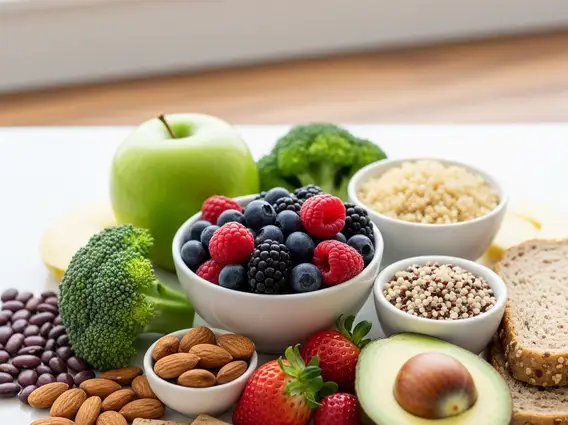
- Berries: Raspberries, blackberries, and strawberries are packed with fiber. A cup of raspberries can provide about 8 grams, making them an excellent choice for breakfast or dessert.
- Apples and Pears: Eating these fruits with their skin on significantly boosts fiber intake. A medium apple with skin contains around 4 grams of fiber.
- Avocados: A unique fruit, avocados offer both healthy monounsaturated fats and substantial fiber, with about 7 grams per half fruit.
- Broccoli: This cruciferous vegetable is not only high in fiber but also rich in vitamins K and C, contributing approximately 5 grams of fiber per cup cooked.
- Leafy Greens: Spinach, kale, and collard greens contribute fiber, especially when consumed in larger quantities in salads or cooked dishes.
- Root Vegetables: Carrots, beets, and sweet potatoes are excellent sources of dietary fiber, providing both soluble and insoluble types.
Legumes, Grains, and Nuts
These food groups are powerhouses of fiber and other essential nutrients, making them staples in a fiber-rich diet.
- Legumes: Beans (black beans, kidney beans, chickpeas), lentils, and peas are exceptionally high in both soluble and insoluble fiber. A single cup of cooked lentils can provide approximately 15 grams of fiber, making them incredibly satiating and nutritious.
- Whole Grains: Opt for whole-wheat bread, oats, brown rice, quinoa, and barley over refined grains. For example, a bowl of oatmeal is a fantastic way to start the day with fiber, while quinoa can serve as a complete protein and fiber-rich side dish.
- Nuts and Seeds: Almonds, chia seeds, flaxseeds, and sunflower seeds are excellent sources of fiber, healthy fats, and protein. Just a tablespoon of chia seeds can add about 5 grams of fiber to your diet, easily mixed into smoothies or yogurt.
Practical Tips to Increase Fiber Intake
Understanding How to increase fiber intake effectively involves making conscious choices and gradual adjustments to your diet. It’s not just about adding fiber, but doing so smartly to avoid discomfort and ensure long-term adherence to a fiber-rich eating pattern.
Gradual Introduction and Hydration
When increasing your fiber intake, it is crucial to do so gradually over several weeks. A sudden surge in fiber can lead to digestive discomforts such as bloating, gas, and abdominal pain, as your digestive system needs time to adjust. Start by adding small amounts of fiber-rich foods to your meals and slowly increase the portions. Equally important is adequate hydration. Fiber absorbs water, so drinking plenty of fluids, especially water, is essential to help fiber move smoothly through your digestive system and prevent constipation. Aim for at least 8 glasses of water daily to support optimal fiber function.
Fiber-Rich Meal Ideas
Integrating more fiber into your daily diet can be both simple and delicious with a few strategic meal planning ideas:
- Breakfast: Start your day with oatmeal topped with berries and a sprinkle of chia seeds, or opt for a whole-grain cereal with sliced fruit.
- Lunch: Add a variety of vegetables to your salads, sandwiches, or soups. Include a side of lentils or chickpeas in your meal for an extra fiber boost.
- Dinner: Choose whole grains like brown rice, quinoa, or whole-wheat pasta instead of refined grains. Incorporate beans or a generous serving of fibrous vegetables like broccoli or Brussels sprouts into your main dish.
- Snacks: Reach for an apple with skin, a handful of almonds, or baby carrots with hummus. These are excellent choices for boosting fiber between meals and keeping you feeling full.
By making these small, consistent changes, you can significantly boost your intake of High Fiber Foods and reap their extensive health benefits, contributing to a healthier and more vibrant life.
High Fiber Foods FAQs
Soluble fiber dissolves in water, forming a gel-like substance that helps lower blood sugar and cholesterol by slowing digestion. It’s found in oats, beans, and fruits. Insoluble fiber does not dissolve in water; it adds bulk to stool, aiding in regular bowel movements and preventing constipation. Whole grains, nuts, and many vegetables are rich in insoluble fiber. Both types are essential for a healthy digestive system and overall well-being, working synergistically to support gut health.
While fiber is highly beneficial, consuming excessive amounts too quickly, especially without adequate hydration, can lead to digestive discomforts such as bloating, gas, and constipation. It can also interfere with the absorption of certain minerals if intake is extremely high and sustained. It’s best to gradually increase fiber intake and ensure you drink plenty of water to help your body adjust. Most people struggle to meet the recommended daily intake, so overconsumption is less common than insufficient intake.
Fiber supplements can be helpful for individuals who struggle to meet their daily fiber needs through diet alone. However, natural sources of dietary fiber from whole foods are generally preferred. Whole foods provide a complex matrix of fiber along with essential vitamins, minerals, antioxidants, and other beneficial plant compounds that supplements often lack. While supplements can bridge a nutritional gap, they should not replace a diet rich in fruits, vegetables, whole grains, and legumes, which offer a broader spectrum of health benefits.