Key Takeaways
- Cooking methods are broadly categorized into dry-heat and moist-heat techniques, each yielding distinct flavors and textures.
- The choice of cooking method significantly influences nutrient retention, particularly for vitamins and minerals.
- Gentle cooking methods like steaming and poaching are often recommended for sensitive diets, including those of cancer patients, to ensure digestibility and nutrient preservation.
- For beginners, focusing on simple techniques such as roasting, steaming, and basic sautéing can build a strong foundation for healthy eating.
- Selecting the best cooking methods for vegetables and lean proteins is crucial for maximizing health benefits.
Understanding Basic Cooking Methods Explained
Exploring the vast array of culinary techniques reveals how heat interacts with food to transform its properties. An overview of common cooking methods helps us appreciate the science behind delicious and nutritious meals. These can broadly be divided into dry-heat and moist-heat categories, each with unique applications and outcomes, providing a comprehensive look at different cooking methods explained.
Dry-Heat Techniques for Flavor
Dry-heat cooking methods involve cooking food without the addition of liquid, often at high temperatures, relying on hot air, fat, or direct contact with a hot surface. These techniques are excellent for developing rich flavors and browning through the Maillard reaction and caramelization. Examples include:
- Roasting and Baking: Cooking food in an oven with hot, dry air. Roasting typically applies to foods with a solid structure (like meats and vegetables), while baking is often used for items that change structure (like bread or cakes).
- Grilling and Broiling: Cooking food over or under direct heat, respectively. These methods impart a smoky flavor and create a charred exterior.
- Sautéing and Pan-Frying: Cooking food quickly in a small amount of fat over direct heat in a pan. Sautéing uses less fat and higher heat for smaller pieces, while pan-frying uses more fat for larger pieces.
These types of cooking techniques are favored for creating crispy textures and concentrated flavors, making them popular for a wide range of dishes.
Moist-Heat Methods for Tenderness
Moist-heat cooking methods involve cooking food in liquid or steam. These techniques are ideal for tenderizing tougher cuts of meat and for cooking delicate foods gently. They generally preserve moisture and can be excellent for infusing flavors from the cooking liquid. Common examples include:
- Boiling: Cooking food in rapidly bubbling water. While effective for some foods, it can lead to nutrient loss for water-soluble vitamins.
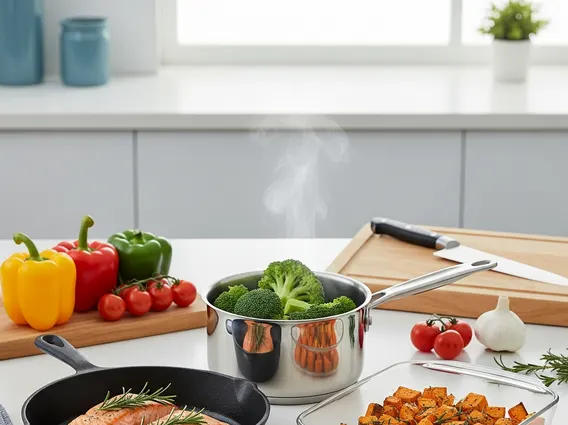
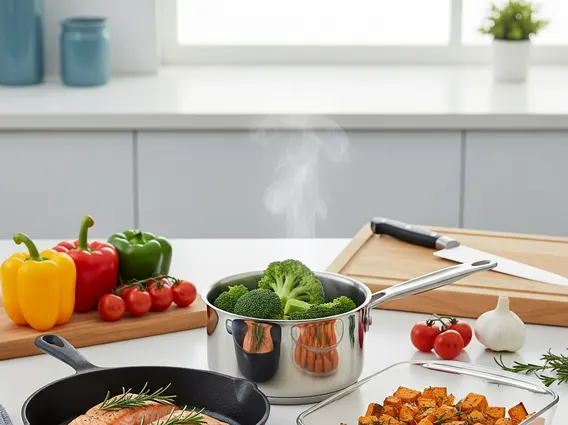
- Steaming: Cooking food by exposing it to steam. This method is highly effective at retaining nutrients, color, and texture, making it one of the best cooking methods for vegetables.
- Poaching: Gently cooking food in a liquid that is just below simmering point. This is ideal for delicate foods like fish, eggs, and fruit, preserving their tenderness.
- Braising and Stewing: Combination methods that involve browning food first, then simmering it in a small amount of liquid in a covered pot for an extended period. Braising typically involves larger cuts of meat, while stewing uses smaller, uniform pieces.
These methods contribute to understanding basic cooking methods by showcasing how liquid can be used to achieve different culinary outcomes, from tenderizing to infusing flavor.
How Various Cooking Methods Affect Food Nutrients
The way we cook our food has a profound impact on its nutritional profile, taste, and digestibility. Understanding how various cooking methods affect food is crucial for maximizing health benefits and enjoying meals to their fullest. Different techniques can either preserve or diminish the vitamins, minerals, and other beneficial compounds present in ingredients.
Maximizing Vitamin and Mineral Retention
Nutrient loss during cooking is a significant concern, particularly for water-soluble vitamins (like B vitamins and Vitamin C) and heat-sensitive compounds. Studies suggest that certain cooking methods are superior for retaining these vital nutrients. For instance, steaming and microwaving often result in minimal loss of Vitamin C and folate compared to boiling. According to a review published in the Journal of Food Science and Technology, steaming can preserve up to 90% of certain antioxidants in vegetables, while boiling may lead to significant losses due to leaching into the water.
Conversely, methods involving high heat for extended periods or immersion in large amounts of water tend to cause greater nutrient degradation. For example, prolonged boiling can cause water-soluble vitamins to leach into the cooking water, which is often discarded. Quick cooking methods like stir-frying, when done correctly, can also be effective at preserving nutrients due to shorter exposure to heat.
Impact on Texture, Flavor, and Digestibility
Beyond nutrients, cooking methods dramatically alter the texture, flavor, and digestibility of food. Heat can break down tough fibers in vegetables and connective tissues in meat, making them softer and easier to chew and digest. For instance, braising tough cuts of meat transforms them into tender, succulent dishes.
Flavor development is also highly dependent on the cooking method. Dry-heat methods, such as roasting and grilling, create complex flavors through browning reactions (Maillard reaction), which enhance the savory notes of proteins and the sweetness of vegetables. Moist-heat methods, while not producing browning, can create delicate flavors and textures, as seen in poached fish or steamed vegetables.
Digestibility is improved as cooking can neutralize anti-nutrients and make nutrients more bioavailable. However, excessive charring from grilling, for example, can produce harmful compounds, highlighting the importance of balanced cooking practices.
Healthy Cooking Methods for Cancer Patients
For individuals undergoing cancer treatment, dietary considerations are paramount. Choosing healthy cooking methods for cancer patients can help manage side effects, support recovery, and ensure adequate nutrition. The focus is often on gentle preparation that is easy to digest, nutrient-dense, and minimizes potential irritants.
Gentle Preparation for Sensitive Diets
Cancer treatments can often lead to side effects such as nausea, changes in taste, fatigue, and digestive sensitivities. Therefore, cooking methods that are gentle on the digestive system are highly recommended. These methods typically avoid excessive fats, strong spices, and high temperatures that can create harsh textures or flavors. Poaching, steaming, and baking are excellent choices as they produce moist, tender foods that are easier to chew and swallow, and less likely to cause digestive upset.
For example, steamed fish or baked chicken breast offers lean protein without the added fat or potential charring associated with frying or grilling. These methods also help retain the natural moisture of foods, which can be beneficial for patients experiencing dry mouth or difficulty swallowing, common issues during treatment.
Best Methods for Vegetables and Lean Proteins
When preparing meals for cancer patients, prioritizing nutrient-rich vegetables and lean proteins is essential. The best cooking methods for vegetables in this context are those that preserve their vitamins, minerals, and antioxidants while making them palatable. Steaming is particularly advantageous as it cooks vegetables quickly and evenly without submerging them in water, thereby minimizing nutrient loss.
For lean proteins like poultry, fish, and legumes, baking, poaching, or gentle sautéing are preferred. Baking chicken or fish in foil packets with herbs and a little broth can keep them moist and flavorful. Poaching fish in a flavorful broth creates a very tender and easily digestible protein source. When sautéing, use minimal healthy fats like olive oil and cook until just done to avoid over-drying the protein. Avoiding charring or burning foods is crucial, as these processes can create potentially harmful compounds.
Adopting these practices ensures that meals are not only nutritious but also comforting and easy to tolerate during a challenging time.
Healthy Cooking Methods for Beginners
Embarking on a culinary journey can seem daunting, but mastering a few healthy cooking methods for beginners can quickly build confidence and lead to a lifetime of delicious, nutritious meals. The key is to start with simple, versatile techniques that yield great results with minimal fuss.
Simple Techniques for Everyday Meals
For those new to the kitchen, focusing on foundational cooking methods can make healthy eating accessible and enjoyable. Here are some easy-to-master techniques:
- Steaming: Incredibly simple and healthy, steaming requires only a pot, water, and a steamer basket. It’s perfect for vegetables, fish, and even dumplings, preserving nutrients and natural flavors.
- Roasting: Ideal for vegetables and proteins, roasting involves tossing ingredients with a little oil and seasoning, then baking them in the oven. It creates wonderfully caramelized flavors and tender interiors with minimal effort. Think sheet pan dinners!
- Basic Sautéing: Learning to quickly cook ingredients in a pan with a small amount of oil is a versatile skill. It’s great for stir-fries, eggs, and quickly cooking vegetables or lean proteins like chicken breast strips.
- Baking: Beyond desserts, baking is excellent for preparing lean proteins like chicken or fish, and for making healthy casseroles. It’s largely hands-off once the food is in the oven.
These methods form the backbone of many healthy recipes and provide a solid foundation for more advanced culinary exploration. They offer an excellent starting point for anyone looking for an overview of common cooking methods that are both simple and beneficial.
Essential Tools and Safety Tips
To get started with these healthy cooking methods, a few essential kitchen tools will be invaluable:
- Good Quality Knife and Cutting Board: For safe and efficient food preparation.
- Pots and Pans: A medium saucepan for steaming, a large baking sheet for roasting, and a non-stick skillet for sautéing are great starting points.
- Measuring Cups and Spoons: For accurate ingredient proportions.
- Spatula and Tongs: For stirring, flipping, and serving.
Kitchen safety is equally important for beginners. Always wash your hands before and after handling food, especially raw meat. Use separate cutting boards for raw meats and produce to prevent cross-contamination. Cook foods to their recommended internal temperatures to kill harmful bacteria, using a food thermometer if unsure. Always be mindful of hot surfaces and sharp objects. By following these simple guidelines, beginners can confidently explore different cooking methods explained and prepare delicious, healthy meals.
Cooking Methods FAQs
Steaming is widely regarded as one of the best cooking methods for vegetables due to its ability to preserve nutrients, color, and texture. Unlike boiling, steaming prevents water-soluble vitamins (like Vitamin C and B vitamins) from leaching into the cooking water. This gentle method also helps retain the natural crispness and vibrant hues of vegetables, making them more appealing and nutritious. It requires minimal added fat, contributing to healthier meal preparation.
For beginners, ensuring healthy meals starts with choosing simple, whole ingredients and mastering a few basic cooking techniques. Focus on methods like steaming, roasting, and gentle sautéing, which require minimal added fats and preserve nutrients. Prioritize fresh vegetables, lean proteins, and whole grains. Planning meals ahead and batch cooking can also help maintain a healthy diet, making healthy cooking methods for beginners easily integrated into daily routines.
Specific cooking methods are recommended for cancer patients to support their sensitive diets, manage treatment side effects, and maximize nutrient intake. Gentle methods such as steaming, poaching, and baking produce moist, tender foods that are easier to digest and less likely to cause nausea or irritation. These methods also help preserve essential vitamins and minerals, which are crucial for strength and recovery. Avoiding charring and excessive fats is also important to minimize potential irritants and harmful compounds, aligning with healthy cooking methods for cancer patients.