
Key Takeaways
- Lung cancer is primarily categorized into Non-Small Cell Lung Cancer (NSCLC) and Small Cell Lung Cancer (SCLC), with NSCLC being more common.
- Common symptoms of lung cancer include persistent cough, chest pain, and shortness of breath, often appearing in advanced stages.
- Smoking is the leading cause of lung cancer, but other factors like radon exposure and air pollution also contribute significantly.
- Diagnosis involves imaging and biopsy, followed by staging to determine the extent of the disease, with lung cancer stages explained differently for NSCLC and SCLC.
- Lung cancer treatment options range from surgery and chemotherapy to targeted therapy and immunotherapy, while how to prevent lung cancer largely focuses on avoiding tobacco and environmental carcinogens.
About Lung Cancer
What is lung cancer? It is a type of cancer that originates in the lungs when cells begin to grow abnormally and uncontrollably. These abnormal cells can form tumors, impairing lung function and potentially spreading to lymph nodes or other organs through a process called metastasis. Globally, lung cancer remains a leading cause of cancer-related deaths, highlighting the critical need for awareness and research. According to the World Health Organization (WHO), lung cancer was responsible for an estimated 1.8 million deaths worldwide in 2020, underscoring its significant public health impact.
Types of Lung Cancer
Understanding the different types of lung cancer is essential for diagnosis and treatment planning. The two main categories are Non-Small Cell Lung Cancer (NSCLC) and Small Cell Lung Cancer (SCLC), which behave and respond to treatment differently.
- Non-Small Cell Lung Cancer (NSCLC): This is the most common type, accounting for about 80-85% of all lung cancers. NSCLC grows and spreads more slowly than SCLC. It includes several subtypes:
- Adenocarcinoma: Often found in the outer parts of the lung, common in non-smokers.
- Squamous Cell Carcinoma: Typically found in the central part of the lung, often linked to smoking.
- Large Cell Carcinoma: Can appear in any part of the lung and tends to grow and spread quickly.
- Small Cell Lung Cancer (SCLC): This type accounts for about 10-15% of lung cancers. SCLC is highly aggressive, grows rapidly, and tends to spread early. It is almost exclusively found in heavy smokers.
Recognizing Symptoms and Causes
Early recognition of potential signs and understanding the underlying factors are vital in managing lung cancer. Many symptoms can be subtle or mimic other conditions, making early diagnosis challenging.
Common Warning Signs
The symptoms of lung cancer often do not appear until the disease is advanced, which is why regular screenings for high-risk individuals are so important. However, some common warning signs should prompt a medical evaluation:
- A new cough that doesn’t go away or a chronic cough that gets worse.
- Chest pain that is often worse with deep breathing, coughing, or laughing.
- Shortness of breath, which can occur with usual activities.
- Hoarseness or changes in voice.
- Weight loss and loss of appetite without explanation.
- Feeling tired or weak (fatigue).
- Recurrent infections such as bronchitis or pneumonia.
- Wheezing.
If you experience any of these persistent symptoms, it is important to consult a healthcare professional for an accurate diagnosis.
Major Risk Factors
Understanding the causes of lung cancer is crucial for prevention. While some risk factors are beyond an individual’s control, many are preventable. The most significant risk factor is tobacco use.
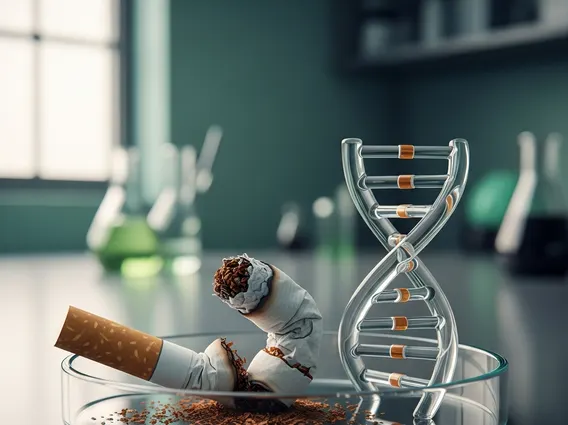
- Smoking: Cigarette smoking is by far the leading cause of lung cancer, responsible for about 80% of lung cancer deaths. The risk increases with the number of cigarettes smoked and the duration of smoking.
- Secondhand Smoke: Exposure to secondhand smoke also significantly increases the risk of developing lung cancer in non-smokers. The Centers for Disease Control and Prevention (CDC) estimates that secondhand smoke causes thousands of lung cancer deaths each year among non-smokers.
- Radon Exposure: Radon is a naturally occurring radioactive gas that can accumulate in homes and buildings. It is the second leading cause of lung cancer overall and the leading cause among non-smokers.
- Asbestos and Other Carcinogens: Exposure to certain chemicals and minerals in the workplace, such as asbestos, arsenic, chromium, and nickel, can increase lung cancer risk.
- Air Pollution: Long-term exposure to outdoor air pollution, particularly fine particulate matter, is a recognized risk factor for lung cancer.
- Family History: Individuals with a family history of lung cancer may have an increased risk, suggesting a genetic predisposition.
- Previous Radiation Therapy to the Chest: Prior radiation treatment for other cancers can increase the risk of developing lung cancer.
Diagnosing and Staging Lung Cancer
Accurate diagnosis and staging are fundamental steps in determining the most effective treatment plan for lung cancer. These processes help medical professionals understand the type of cancer and how far it has spread.
Diagnostic Methods
Diagnosing lung cancer typically involves a combination of imaging tests, biopsies, and other laboratory analyses:
- Imaging Tests:
- Chest X-ray: Often the first test, it can reveal lung abnormalities.
- CT Scan (Computed Tomography): Provides more detailed images of the lungs and surrounding areas, helping to identify tumors and their size.
- PET Scan (Positron Emission Tomography): Used to detect cancer cells throughout the body and assess if the cancer has spread.
- Biopsy: This is the definitive method for diagnosing lung cancer. A small sample of suspicious tissue is removed and examined under a microscope. Biopsy methods include:
- Bronchoscopy: A thin, flexible tube with a camera is inserted into the airways to visualize and sample tissue.
- Needle Biopsy: A needle is guided through the chest wall into the lung to collect tissue, often with CT guidance.
- Surgical Biopsy: In some cases, a surgical procedure may be needed to obtain a larger tissue sample.
- Sputum Cytology: Examination of mucus coughed up from the lungs for cancer cells.
- Blood Tests: While not diagnostic for lung cancer, blood tests can assess overall health and organ function.
Explaining the Stages
Once lung cancer is diagnosed, staging is performed to determine the extent of the disease. Lung cancer stages explained differently for NSCLC and SCLC due to their distinct biological behaviors.
Non-Small Cell Lung Cancer (NSCLC) Staging:
NSCLC is typically staged using the TNM system (Tumor, Node, Metastasis), which describes the size of the tumor, involvement of lymph nodes, and presence of distant metastasis. These are then grouped into stages I through IV:
- Stage I: Cancer is localized to the lung and has not spread to lymph nodes or distant sites.
- Stage II: Cancer has grown larger or spread to nearby lymph nodes on the same side of the chest, but not to distant sites.
- Stage III: Cancer has spread to lymph nodes in the middle of the chest or to other structures near the lung. This stage is often divided into IIIA, IIIB, and IIIC based on the extent of lymph node involvement and tumor size.
- Stage IV: Cancer has spread to both lungs, to the fluid around the lungs or heart, or to distant parts of the body (e.g., brain, bones, liver).
Small Cell Lung Cancer (SCLC) Staging:
SCLC is often staged more simply due to its aggressive nature and tendency to spread early:
- Limited Stage: Cancer is found only on one side of the chest, involving one part of the lung and nearby lymph nodes. It can be treated with a single radiation field.
- Extensive Stage: Cancer has spread beyond one side of the chest, to the other lung, distant lymph nodes, or other organs.
Staging is critical as it guides treatment decisions and provides an indication of prognosis.
Treatment Options and Prevention Strategies
Advances in medical science have significantly expanded the range of lung cancer treatment options, offering hope and improved outcomes for many patients. Alongside treatment, robust prevention strategies are key to reducing the incidence of this disease.
Modern Treatment Approaches
The choice of treatment for lung cancer depends on several factors, including the type and stage of cancer, overall health, and patient preferences. A multidisciplinary team often develops a personalized treatment plan.
- Surgery: For early-stage NSCLC, surgery to remove the cancerous part of the lung (lobectomy, pneumonectomy) may be curative.
- Chemotherapy: Uses drugs to kill cancer cells, often administered intravenously. It can be used before surgery (neoadjuvant), after surgery (adjuvant), or as a primary treatment for advanced stages.
- Radiation Therapy: Uses high-energy rays to destroy cancer cells. It can be delivered externally (external beam radiation) or internally (brachytherapy).
- Targeted Therapy: These drugs specifically target genetic mutations or proteins found in cancer cells, minimizing harm to healthy cells. This approach is particularly effective for certain types of NSCLC with specific genetic markers.
- Immunotherapy: Works by boosting the body’s own immune system to recognize and destroy cancer cells. Immunotherapy has shown significant promise in treating advanced NSCLC and SCLC.
- Palliative Care: Focuses on relieving symptoms and improving quality of life, often alongside curative treatments.
Many patients receive a combination of these therapies, tailored to their specific condition.
Reducing Your Risk
While not all cases of lung cancer are preventable, there are significant steps individuals can take to reduce their risk. Focusing on how to prevent lung cancer involves lifestyle changes and environmental awareness.
- Quit Smoking and Avoid Secondhand Smoke: This is the most impactful step. Quitting smoking at any age significantly reduces the risk of lung cancer. Avoiding exposure to secondhand smoke is equally important.
- Test Your Home for Radon: Radon is an invisible, odorless gas. Testing your home and mitigating high levels can prevent significant exposure. The U.S. Environmental Protection Agency (EPA) recommends testing all homes for radon.
- Avoid Occupational Carcinogens: If you work in an industry with exposure to carcinogens like asbestos, chromium, or nickel, follow safety guidelines, wear protective equipment, and minimize exposure.
- Reduce Exposure to Air Pollution: While individual control over outdoor air pollution is limited, being aware of air quality alerts and reducing time outdoors on high-pollution days can help.
- Maintain a Healthy Lifestyle: A diet rich in fruits and vegetables, regular physical activity, and maintaining a healthy weight may contribute to overall health and potentially lower cancer risk.
These preventive measures are crucial for safeguarding lung health and reducing the global burden of lung cancer.
Lung Cancer FAQs
Early signs of lung cancer can be subtle and often mimic less serious conditions, making them easy to overlook. Key indicators to watch for include a persistent cough that worsens or doesn’t go away, new or worsening shortness of breath, unexplained chest pain, and recurrent respiratory infections like bronchitis or pneumonia. Other potential signs include unexplained weight loss, fatigue, and hoarseness. If these symptoms persist, especially in individuals with risk factors, medical consultation is highly recommended for prompt evaluation.
The curability of lung cancer largely depends on its type and stage at diagnosis. For Non-Small Cell Lung Cancer (NSCLC) detected in its earliest stages (Stage I), surgical removal can lead to a cure in a significant percentage of patients. However, Small Cell Lung Cancer (SCLC) is highly aggressive and often diagnosed at an advanced stage, making a cure less common, though treatment can extend life. Advances in targeted therapies and immunotherapy have improved outcomes for many, even in advanced stages, transforming lung cancer into a more manageable chronic condition for some.
While most cases of lung cancer are linked to environmental factors like smoking and radon exposure, genetics can play a role. A family history of lung cancer, particularly in a first-degree relative (parent, sibling, child), can slightly increase an individual’s risk, even among non-smokers. This suggests a genetic predisposition, though it’s important to note that environmental factors remain the predominant drivers of the disease. Individuals with a family history should be particularly vigilant about avoiding known risk factors and discussing screening options with their doctor.