Key Takeaways
- Ewing Sarcoma is a rare cancer originating in bone or soft tissue, predominantly affecting younger individuals.
- Common Ewing Sarcoma symptoms include localized pain, swelling, and sometimes systemic signs like fever and fatigue.
- Diagnosis involves a combination of imaging techniques and a definitive biopsy, often including genetic testing.
- Treatment for Ewing Sarcoma is multidisciplinary, typically involving chemotherapy, surgery, and radiation therapy.
- The Ewing Sarcoma prognosis varies, with ongoing research continually improving outcomes and support for living with Ewing Sarcoma.
Understanding Ewing Sarcoma
What is Ewing Sarcoma?
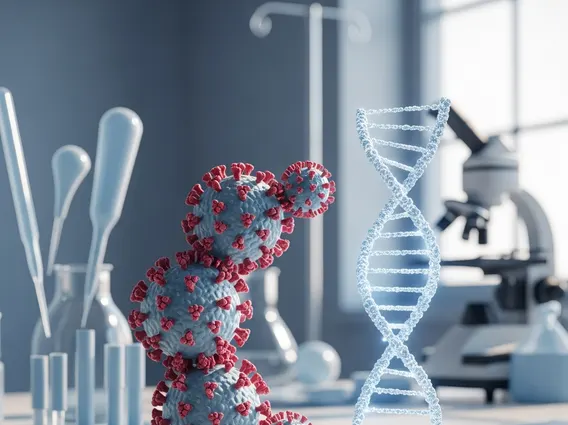
Ewing Sarcoma is a malignant tumor that belongs to the Ewing family of tumors, a group of cancers that share similar characteristics. It most commonly develops in the bones, but it can also originate in the soft tissues surrounding bones, such as muscle, fat, fibrous tissue, or blood vessels. This cancer is characterized by a specific chromosomal translocation, usually between chromosomes 11 and 22, which leads to the formation of a fusion gene (EWSR1-FLI1) that drives tumor growth. It is considered a highly aggressive cancer due to its potential for rapid growth and metastasis.
According to the National Cancer Institute, Ewing sarcoma is one of the most common bone cancers in children and adolescents, though it remains relatively rare overall, accounting for approximately 1% of all childhood cancers. Understanding what is Ewing Sarcoma is crucial for early detection and effective management.
Who is Affected?
Ewing Sarcoma primarily affects children, adolescents, and young adults. The majority of diagnoses occur in individuals between the ages of 10 and 20, with a slightly higher incidence in males compared to females. While it can occur in any bone, common sites include the long bones of the legs and arms (femur, tibia, humerus), the pelvis, ribs, and spine. It is less common in very young children or adults over the age of 30. There is no clear evidence linking its occurrence to specific environmental factors or inherited genetic predispositions, aside from the characteristic chromosomal changes occurring spontaneously.
Recognizing Symptoms of Ewing Sarcoma
Common Signs to Watch For
Recognizing Ewing Sarcoma symptoms can be challenging because they are often non-specific and can mimic those of less serious conditions, such as sports injuries or growing pains. However, persistence and worsening of these symptoms warrant medical attention. The most common symptom is localized pain at the tumor site, which may be constant, worsen at night, or intensify with activity. This pain can be accompanied by swelling or a palpable mass in the affected area.
Other potential Ewing Sarcoma symptoms, particularly if the disease has progressed or is more widespread, include:
- Unexplained fever
- Fatigue and general malaise
- Unintended weight loss
- A limp, if the tumor is in a leg bone
- Bone fractures, occurring with minimal trauma, if the bone is weakened by the tumor
These symptoms can develop gradually over weeks or months, making early diagnosis difficult without a high index of suspicion.
When to Seek Medical Advice
It is important to seek prompt medical advice if a child or young adult experiences persistent or worsening pain in a bone or joint that does not resolve with rest or typical remedies. Any unexplained swelling or a noticeable lump, especially if it is tender or growing, should also be evaluated by a healthcare professional. While many of these signs are likely due to benign causes, a thorough medical examination, including imaging studies, is essential to rule out serious conditions like Ewing Sarcoma. Early consultation can significantly impact the effectiveness of treatment and overall prognosis.
Causes and Risk Factors
The precise causes of Ewing Sarcoma are not fully understood, and unlike many other cancers, it is not strongly linked to specific lifestyle choices, environmental exposures, or inherited genetic conditions. The hallmark of Ewing Sarcoma is a specific genetic rearrangement, or translocation, between chromosomes, most commonly involving the EWSR1 gene on chromosome 22 and the FLI1 gene on chromosome 11. This translocation results in the creation of a fusion gene, EWSR1-FLI1, which is believed to play a critical role in the development and progression of the tumor. This genetic change is acquired during an individual’s lifetime and is not inherited from parents, meaning it is not passed down through families.
While the exact triggers for this chromosomal rearrangement are unknown, research continues to explore potential cellular mechanisms. There are no established modifiable risk factors for Ewing Sarcoma, making prevention strategies challenging. Current understanding points to a complex interplay of genetic events occurring at a cellular level rather than external influences.
Diagnosing Ewing Sarcoma
Diagnostic Procedures
The process of Ewing Sarcoma diagnosis typically begins with a thorough physical examination and a detailed medical history. If a tumor is suspected, a series of imaging tests are performed to visualize the affected area and assess the extent of the disease. These may include:
- X-rays: Often the first imaging test, showing bone abnormalities.
- Magnetic Resonance Imaging (MRI): Provides detailed images of soft tissues and bone marrow, crucial for defining tumor size and local spread.
- Computed Tomography (CT) scan: Used to evaluate the primary tumor and check for spread to the lungs or other organs.
- Positron Emission Tomography (PET) scan: Helps identify areas of active cancer cells throughout the body.
- Bone scan: Detects cancer spread to other bones.
A definitive Ewing Sarcoma diagnosis requires a biopsy, where a small tissue sample from the tumor is removed and examined under a microscope by a pathologist. This biopsy can be a needle biopsy or an open surgical biopsy. Genetic testing of the biopsy sample is also performed to identify the characteristic chromosomal translocations, confirming the diagnosis and differentiating Ewing Sarcoma from other similar tumors.
Staging the Disease
Once Ewing Sarcoma is diagnosed, staging procedures are carried out to determine if the cancer has spread from its original site to other parts of the body. Staging is critical for planning the most effective treatment strategy. Ewing Sarcoma is generally categorized into two main stages:
| Stage | Description |
|---|---|
| Localized Disease | The cancer is confined to the primary tumor site and has not spread to distant parts of the body. |
| Metastatic Disease | The cancer has spread to other parts of the body, most commonly the lungs, other bones, or bone marrow. |
Staging involves a combination of the imaging tests mentioned above, along with bone marrow aspiration and biopsy to check for cancer cells in the bone marrow. The stage of the disease, along with the tumor’s size and location, significantly influences the choice of treatment for Ewing Sarcoma.
Treatment and Prognosis
Available Treatment Options
Treatment for Ewing Sarcoma is typically aggressive and multidisciplinary, involving a combination of therapies administered by a team of specialists. The primary goal is to eradicate the cancer and prevent recurrence. The main treatment modalities include:
- Chemotherapy: This is a cornerstone of treatment, often given both before (neoadjuvant) and after (adjuvant) local control therapy. Chemotherapy uses powerful drugs to kill cancer cells throughout the body, reducing tumor size before surgery and eliminating any remaining cancer cells afterward.
- Surgery: Surgical removal of the tumor is performed whenever possible, aiming to achieve clear margins (no cancer cells at the edge of the removed tissue). Depending on the tumor’s location, limb-sparing surgery may be an option, or in some cases, amputation might be necessary.
- Radiation Therapy: High-energy rays are used to kill cancer cells or shrink tumors. Radiation therapy may be used if surgery is not feasible, if there are positive surgical margins, or to treat metastatic sites.
- Targeted Therapy and Immunotherapy: These newer treatments are being explored in clinical trials. Targeted therapies aim to block specific molecules involved in cancer growth, while immunotherapy helps the body’s immune system fight cancer.
The specific treatment plan is tailored to each patient, considering factors such as the tumor’s size and location, the stage of the disease, and the patient’s overall health.
Outlook and Quality of Life
The Ewing Sarcoma prognosis has significantly improved over the past few decades due to advancements in multidisciplinary treatment approaches. The outlook largely depends on several factors, including the stage of the disease at diagnosis (localized vs. metastatic), the tumor’s size and location, and how well the cancer responds to initial chemotherapy. For localized disease, survival rates are considerably higher than for metastatic disease.
Living with Ewing Sarcoma, both during and after treatment, involves managing potential side effects of therapy and focusing on long-term quality of life. Survivors often require ongoing medical surveillance to monitor for recurrence and to address late effects of treatment, such as bone density issues, heart problems, or secondary cancers. Physical therapy, psychological support, and nutritional guidance are vital components of comprehensive care, helping patients and their families navigate the challenges of recovery and adapt to life after cancer. Continued research offers hope for even better outcomes and reduced treatment toxicity in the future.
Ewing Sarcoma FAQs
Ewing Sarcoma is primarily caused by a specific genetic rearrangement, or translocation, between chromosomes, most commonly involving the EWSR1 gene on chromosome 22 and the FLI1 gene on chromosome 11. This leads to a fusion gene that drives tumor development. This genetic change occurs spontaneously during an individual’s lifetime and is not inherited from parents, nor is it linked to specific lifestyle or environmental factors. The exact triggers for this chromosomal event are still under investigation.
Treatment for Ewing Sarcoma is aggressive and involves a multidisciplinary approach. It typically begins with chemotherapy to shrink the tumor and eliminate microscopic spread. This is followed by local control therapy, which can be surgery to remove the tumor, radiation therapy, or a combination of both. After local control, additional chemotherapy cycles are usually administered to target any remaining cancer cells. The specific treatment plan is customized based on the tumor’s characteristics and the disease stage.
The long-term outlook, or prognosis, for individuals with Ewing Sarcoma has improved significantly. It largely depends on whether the cancer is localized or has spread at diagnosis, the tumor’s size, and its response to initial treatment. Patients with localized disease generally have a better prognosis. Long-term survivors require ongoing follow-up care to monitor for potential recurrence and manage any late effects from intensive treatments, ensuring continued quality of life and comprehensive support.