Key Takeaways
- Cancer rehabilitation after treatment is crucial for holistic recovery, addressing physical, emotional, and nutritional needs.
- Diverse programs, including physical, occupational, and psychological therapies, are tailored to individual recovery journeys.
- Rehabilitation significantly improves functional independence, reduces long-term side effects, and enhances quality of life.
- The recovery process after medical treatment is multifaceted, requiring a strong support system and personalized care.
- Choosing the right rehabilitation center involves considering specialized services, accreditation, and insurance coverage.
Understanding Cancer Rehabilitation After Treatment
Defining Post-Treatment Recovery
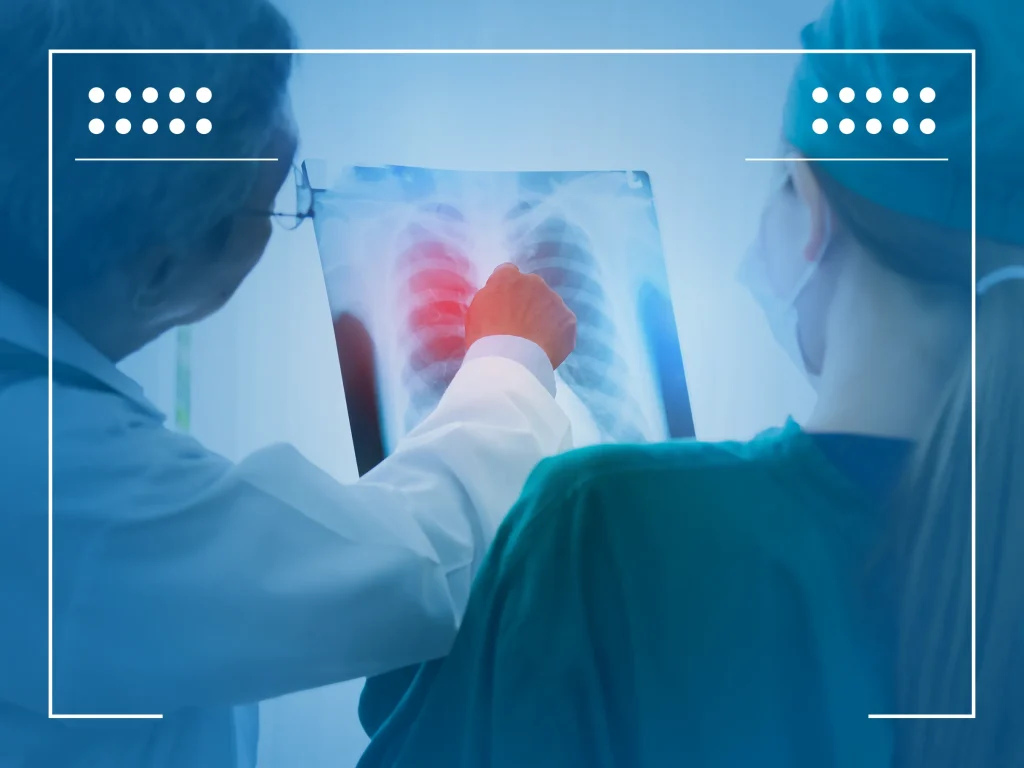
What is rehabilitation after medical treatment? It is a comprehensive, multidisciplinary approach designed to help individuals regain maximum function, reduce disability, and improve their quality of life following a serious illness, injury, or medical procedure. For cancer survivors, this process is often referred to as cancer rehabilitation after treatment, focusing on addressing the physical, psychological, social, and spiritual effects of cancer and its therapies. This holistic framework aims to support patients in navigating the complexities of post-treatment life, from managing side effects to returning to daily activities.
Why Rehabilitation Matters for Survivors
The importance of rehabilitation in recovery cannot be overstated, particularly for those who have undergone intensive medical interventions like cancer treatment. Many survivors experience a range of lasting side effects, including fatigue, pain, weakness, lymphedema, cognitive changes, and emotional distress. Without targeted rehabilitation, these issues can significantly impair a person’s ability to perform daily tasks, return to work, or engage in social activities. According to the World Health Organization (WHO), rehabilitation is an essential health strategy that helps individuals optimize their functioning and participate fully in life, preventing complications and improving long-term outcomes for millions worldwide.
Diverse Programs for Post-Treatment Recovery
Physical and Occupational Therapies
A wide array of types of post-treatment rehabilitation programs are available, tailored to meet the specific needs of each individual. Physical therapy (PT) often focuses on restoring strength, mobility, balance, and endurance. This might involve exercises, manual therapy, and modalities to address pain or stiffness. Occupational therapy (OT), on the other hand, helps individuals regain the skills needed for daily living and working. This includes adapting tasks, using assistive devices, and improving fine motor skills to perform activities like dressing, cooking, or writing. Both therapies are crucial for regaining physical independence and confidence after illness or surgery.
Emotional and Nutritional Support
Beyond physical aspects, rehabilitation programs also encompass vital emotional and nutritional support. Emotional support includes psychological counseling, support groups, and mindfulness practices, which help patients cope with anxiety, depression, fear of recurrence, and body image changes. Nutrition counseling is equally important, as treatment can affect appetite, digestion, and metabolism. Registered dietitians work with patients to develop personalized meal plans that support healing, manage weight, and address specific dietary needs or restrictions. This integrated approach ensures that all facets of a survivor’s well-being are addressed, fostering a more complete and sustainable recovery.
Key Benefits of Rehabilitation After Illness
Restoring Function and Independence
One of the most significant benefits of rehabilitation after surgery or a prolonged illness is the restoration of function and independence. Rehabilitation programs are meticulously designed to help patients regain lost physical capabilities, such as walking, lifting, or self-care activities. By systematically strengthening muscles, improving range of motion, and enhancing coordination, individuals can often return to their pre-illness activity levels or adapt to new ways of performing tasks. This renewed independence not only improves practical aspects of daily life but also significantly boosts self-esteem and overall confidence.
Enhancing Overall Well-being
Beyond physical recovery, rehabilitation plays a pivotal role in enhancing a patient’s overall well-being. It addresses chronic pain management, reduces fatigue, and improves sleep quality, all of which contribute to a better quality of life. Furthermore, engaging in rehabilitation can mitigate the psychological impact of illness, such as depression and anxiety, by providing a structured path forward and a sense of control over one’s health. The comprehensive nature of these programs ensures that individuals are supported not just in healing their bodies, but also in nurturing their minds and spirits, leading to a more fulfilling post-treatment life.
Your Guide to the Post-Treatment Recovery Process
Stages of the Healing Journey
The recovery process after medical treatment is not a linear path but often involves several distinct stages. Initially, there’s the acute recovery phase, immediately following treatment, where the focus is on stabilization and managing immediate side effects. This transitions into a subacute phase, where structured rehabilitation begins, targeting specific functional deficits. Finally, the long-term recovery or maintenance phase involves ongoing self-management, lifestyle adjustments, and continued monitoring. Understanding these stages can help patients and their families set realistic expectations and actively participate in their healing journey. This systematic approach forms a crucial guide to post-treatment recovery, empowering individuals at each step.
Building a Strong Support System
A critical component of successful post-treatment recovery is building and leveraging a strong support system. This network can include family, friends, caregivers, healthcare professionals, and support groups. Family and friends offer emotional encouragement and practical assistance, while healthcare teams provide expert medical and therapeutic guidance. Support groups connect individuals with others who share similar experiences, fostering a sense of community and reducing feelings of isolation. Engaging with these resources provides invaluable emotional resilience and practical help, which are essential for navigating the challenges and triumphs of the recovery process.
Locating Rehabilitation Centers and Support
What to Look For in a Facility
Finding rehabilitation centers after illness requires careful consideration to ensure the best possible care. When evaluating facilities, look for those with specialized programs tailored to your specific condition, such as cancer rehabilitation, neurological rehabilitation, or orthopedic recovery. Key factors include the expertise and certification of the staff (e.g., physical therapists, occupational therapists, speech therapists, psychologists, dietitians), the availability of state-of-the-art equipment, and a multidisciplinary team approach. Accreditation by recognized bodies, such as the Commission on Accreditation of Rehabilitation Facilities (CARF), indicates a commitment to high standards of care and patient safety.
Insurance and Access Considerations
Navigating insurance coverage and access to rehabilitation services can be complex. It is essential to verify what your health insurance plan covers regarding rehabilitation therapies, including the number of sessions, co-pays, and any pre-authorization requirements. Many centers have financial counselors who can help you understand your benefits and explore options for financial assistance if needed. Consider the location and accessibility of the center, as regular attendance is crucial for effective rehabilitation. Discussing your needs and preferences with your primary care physician or specialist can also help in identifying reputable facilities that align with your medical requirements and personal circumstances.
Rehabilitation After Treatment FAQs
The primary goal of rehabilitation after medical treatment is to help individuals regain their highest possible level of physical, cognitive, and emotional function. It aims to reduce disability, manage symptoms, prevent complications, and improve overall quality of life. This holistic approach enables patients to return to their daily activities, work, and hobbies with greater independence and confidence, fostering a smoother transition back into their lives post-treatment.
The duration of the rehabilitation process varies significantly depending on the individual’s condition, the severity of their illness or injury, and their personal recovery goals. It can range from a few weeks for minor issues to several months or even longer for complex conditions like stroke or extensive cancer treatment. Progress is continuously monitored, and the rehabilitation plan is adjusted as the patient improves, ensuring the program remains effective and tailored to evolving needs.
Yes, rehabilitation programs are highly specialized to address the unique challenges posed by different illnesses and conditions. For example, cardiac rehabilitation focuses on heart health and exercise, neurological rehabilitation targets conditions like stroke or spinal cord injury, and cancer rehabilitation addresses the specific side effects of cancer treatments. These specialized programs ensure that therapies are evidence-based and optimally designed to support recovery for particular patient populations.