Key Takeaways
- Chemotherapy uses potent drugs to target and eliminate rapidly dividing cancer cells throughout the body.
- Treatment goals range from curing cancer to controlling its spread or alleviating symptoms, depending on the cancer type and stage.
- Various types of chemotherapy drugs exist, each working differently to disrupt cancer cell growth and division.
- Patients experience a structured chemotherapy process and recovery, involving preparation, administration, and post-treatment care to manage potential side effects.
- While effective, chemotherapy can cause significant side effects of chemotherapy explained by its impact on healthy, fast-growing cells, requiring careful management.
What is Chemotherapy Treatment?
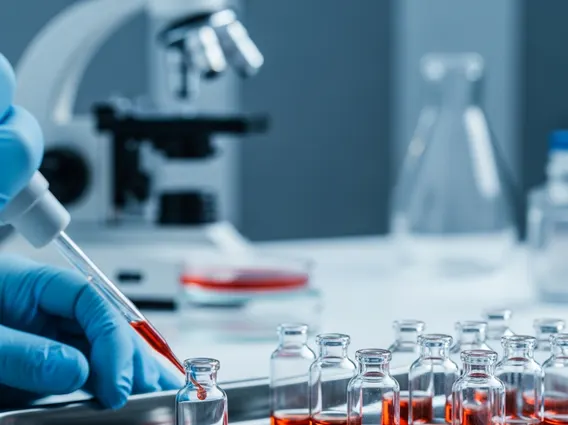
Chemotherapy is a form of cancer treatment that uses one or more anti-cancer (cytotoxic) drugs as part of a standardized chemotherapy regimen. The primary aim of what is chemotherapy treatment is to destroy cancer cells, prevent their spread, and reduce tumor size. These powerful drugs work by targeting rapidly dividing cells, a hallmark characteristic of cancer cells. However, because some healthy cells in the body also divide quickly (such as those in hair follicles, bone marrow, and the digestive tract), chemotherapy can affect these cells too, leading to various side effects.
The specific drugs, dosage, and duration of chemotherapy are highly individualized, determined by factors such as the type and stage of cancer, the patient’s overall health, and previous treatments. It can be administered in various ways, including intravenously (into a vein), orally (as a pill), or topically (applied to the skin), making it a versatile treatment option for many cancers.
Goals of Chemotherapy
The overarching goals of chemotherapy are tailored to each patient’s unique situation and cancer type. Understanding these objectives is crucial for patients embarking on their treatment journey, offering valuable chemotherapy facts for patients.
- Cure: In some cases, chemotherapy can completely eradicate cancer, leading to a full recovery. This is often the goal for certain lymphomas, leukemias, and testicular cancers.
- Control: When a cure isn’t possible, chemotherapy can be used to shrink tumors, stop cancer from spreading, or slow its growth, thereby extending life and improving quality of life.
- Palliation: For advanced cancers, chemotherapy may be used to relieve symptoms caused by the cancer, such as pain or pressure, without necessarily aiming for a cure or long-term control. This helps improve the patient’s comfort and well-being.
- Neoadjuvant Therapy: Administered before other treatments like surgery or radiation, to shrink tumors and make them easier to remove.
- Adjuvant Therapy: Given after primary treatments (e.g., surgery) to kill any remaining cancer cells and reduce the risk of recurrence.
How Chemotherapy Works in the Body
Understanding how does chemotherapy work in the body involves recognizing its mechanism of action: targeting cells that divide rapidly. Cancer cells are characterized by uncontrolled and fast division. Chemotherapy drugs interfere with this process at various stages of the cell cycle, preventing cancer cells from growing, dividing, and multiplying. This disruption ultimately leads to the death of the cancer cells.
Different chemotherapy agents operate through distinct pathways. Some damage the DNA of cancer cells, preventing them from replicating. Others interfere with the cellular machinery necessary for division, such as proteins or enzymes. Because cancer cells typically divide much faster than most healthy cells, they are more susceptible to the damaging effects of these drugs. However, as mentioned, healthy cells that also divide quickly can be affected, leading to systemic side effects.
Different Types of Chemotherapy Drugs
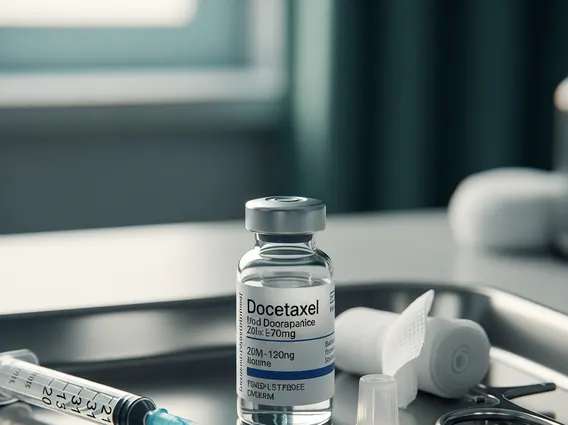
There are numerous types of chemotherapy drugs, often used in combination to maximize effectiveness and minimize resistance. These drugs are generally categorized by their chemical structure and how they affect cancer cells:
| Drug Class | Mechanism of Action | Examples |
|---|---|---|
| Alkylating Agents | Damage DNA to prevent cell replication. | Cyclophosphamide, Cisplatin |
| Antimetabolites | Mimic essential cell building blocks, disrupting DNA/RNA synthesis. | Methotrexate, 5-Fluorouracil |
| Anti-tumor Antibiotics | Interfere with DNA and RNA synthesis. | Doxorubicin, Bleomycin |
| Topoisomerase Inhibitors | Block enzymes needed for DNA replication and repair. | Topotecan, Etoposide |
| Mitotic Inhibitors | Stop cell division by interfering with microtubules. | Paclitaxel, Vincristine |
| Corticosteroids | Used to prevent nausea, allergic reactions, and reduce inflammation. | Dexamethasone, Prednisone |
Often, a patient’s treatment plan will involve a combination of drugs from different classes to target cancer cells through multiple pathways, increasing the chances of success. The choice of drug regimen is highly specific to the cancer type and individual patient factors.
The Chemotherapy Process and Recovery
The chemotherapy process and recovery involves several stages, from initial preparation to post-treatment care, all designed to optimize treatment effectiveness and manage patient well-being. It is a journey that requires careful planning and ongoing support from a medical team.
Preparing for Treatment
Before starting chemotherapy, patients undergo a series of evaluations to ensure they are physically ready for treatment. This typically includes blood tests, imaging scans, and a thorough review of their medical history. A central venous access device (e.g., a port or PICC line) may be surgically implanted to facilitate easier and safer administration of drugs, reducing the need for repeated needle sticks. Patients also receive detailed information about their specific chemotherapy regimen, potential side effects, and how to manage them. Nutritional counseling and psychological support are often provided to help patients prepare for the challenges ahead.
Post-Treatment Care and Recovery
After each chemotherapy session, patients enter a recovery phase. The duration and intensity of this phase vary depending on the drugs used and individual patient response. Post-treatment care focuses on managing side effects, monitoring for complications, and supporting overall recovery. This includes regular follow-up appointments, blood tests to check blood counts and organ function, and symptom management strategies. Patients are encouraged to maintain good nutrition, stay hydrated, and get adequate rest. Physical activity, as tolerated, can also aid recovery. The medical team provides guidance on when to seek immediate medical attention for severe side effects or signs of infection. Recovery is a gradual process, and patients may experience lingering fatigue or other issues for weeks or months after treatment concludes.
Understanding Chemotherapy Side Effects
Understanding chemotherapy side effects is crucial for patients and caregivers, as these effects can significantly impact quality of life during treatment. Side effects arise because chemotherapy drugs, while targeting rapidly dividing cancer cells, can also affect healthy cells that divide quickly, such as those in the bone marrow, hair follicles, and digestive tract. The type and severity of side effects vary greatly depending on the specific drugs used, dosage, duration of treatment, and individual patient factors.
Common Side Effects and Management
The impact of chemotherapy on healthy cells leads to a range of common side effects, which are an important part of side effects of chemotherapy explained by medical professionals. Effective management strategies are available to alleviate discomfort and improve patient well-being.
- Nausea and Vomiting: Very common, but effectively managed with anti-emetic medications taken before and after treatment. Dietary adjustments, such as eating small, frequent meals and avoiding strong odors, can also help.
- Fatigue: A pervasive side effect, often described as an overwhelming tiredness not relieved by rest. Managing fatigue involves balancing activity with rest, light exercise, and good sleep hygiene.
- Hair Loss (Alopecia): Many chemotherapy drugs cause hair loss, which is usually temporary. Hair typically regrows a few weeks or months after treatment ends.
- Mouth Sores (Mucositis): Painful sores can develop in the mouth and throat. Good oral hygiene, soft foods, and special mouth rinses can help manage this.
- Low Blood Counts: Chemotherapy can suppress bone marrow function, leading to:
- Anemia (low red blood cells): Causes fatigue and shortness of breath.
- Neutropenia (low white blood cells): Increases risk of infection. Patients must be vigilant about hygiene and report any signs of infection immediately.
- Thrombocytopenia (low platelets): Increases risk of bleeding and bruising.
- Neuropathy: Nerve damage causing numbness, tingling, or pain, often in the hands and feet. Management may involve medication and physical therapy.
- Skin and Nail Changes: Dryness, rashes, increased sensitivity to sunlight, and nail discoloration or brittleness are possible.
- “Chemo Brain” (Cognitive Changes): Patients may experience difficulties with concentration, memory, and processing information.
It is vital for patients to communicate any side effects to their healthcare team, as many can be effectively managed or treated. According to the American Cancer Society, a significant majority of chemotherapy side effects are manageable with current supportive care therapies, allowing patients to complete their treatment more comfortably.
Benefits and Risks of Chemotherapy
Weighing the benefits and risks of chemotherapy is a critical discussion between patients and their healthcare providers. While chemotherapy offers significant potential for treating cancer, it also carries substantial risks due to its systemic nature and impact on healthy cells.
The primary benefit of chemotherapy is its ability to destroy cancer cells, leading to tumor shrinkage, prevention of metastasis, and improved survival rates. For many cancers, chemotherapy is a life-saving treatment, either as a standalone therapy or in combination with surgery and radiation. It can alleviate cancer-related symptoms, improve quality of life, and in some cases, lead to a complete cure. For instance, the National Cancer Institute (NCI) highlights that chemotherapy has significantly improved survival rates for various cancers, including certain leukemias and lymphomas.
However, the risks are considerable. The most immediate risks are the acute side effects discussed previously, which can range from mild to severe and debilitating. Long-term risks can include organ damage (e.g., heart, lung, kidney), secondary cancers, infertility, and persistent neuropathy. The cumulative effect of these risks requires careful consideration, especially for patients with pre-existing health conditions.
Weighing Treatment Options
The decision to undergo chemotherapy, and the specific regimen chosen, involves a thorough evaluation of the potential benefits against the risks. This process, often referred to as weighing treatment options, is highly personalized. The medical team considers the type and stage of cancer, the patient’s overall health, age, co-existing medical conditions, and personal preferences. They will discuss the likelihood of success, the expected side effects, and alternative treatment options. Patients are encouraged to ask questions, seek second opinions, and actively participate in their treatment decisions. The goal is to choose a treatment plan that offers the best chance of positive outcomes while minimizing adverse effects and maintaining the best possible quality of life.
Chemotherapy FAQs
The duration of chemotherapy varies widely depending on the type of cancer, the specific drugs used, and the patient’s response. A full course of treatment can range from a few weeks to several months, or even over a year, often administered in cycles with rest periods in between. Each individual session might last from a few minutes to several hours. Your oncology team will provide a detailed schedule tailored to your specific diagnosis and treatment plan, outlining the expected duration and frequency of your chemotherapy sessions.
No, chemotherapy is not always necessary for cancer treatment. The decision to use chemotherapy depends on various factors, including the type and stage of cancer, its aggressiveness, and whether it has spread. For some early-stage cancers, surgery or radiation therapy alone may be sufficient. In other cases, targeted therapies, immunotherapy, or hormone therapy might be more appropriate or used in combination with chemotherapy. Your oncology team will assess your specific situation to determine the most effective and least invasive treatment approach.
While the vast majority of Squamous Cell Carcinoma cases are directly linked to chronic ultraviolet (UV) radiation exposure from the sun or tanning beds, it is not the sole cause. Other factors can contribute, including exposure to certain chemicals (like arsenic), radiation therapy, chronic non-healing wounds, and certain types of human papillomavirus (HPV) infection. Individuals with weakened immune systems or specific genetic predispositions may also develop SCC with less UV exposure. Therefore, while sun protection is paramount, other risk factors should also be considered.