
Key Takeaways
- Depression in cancer patients is common, affecting a significant percentage, and requires specific attention.
- Recognizing the symptoms of depression, which can overlap with cancer treatment side effects, is crucial for timely intervention.
- Understanding the multifaceted causes of depression in this population helps tailor effective support and care strategies.
- Various types of depression exist, and accurate diagnosis guides appropriate treatment options for depression.
- Support from family, friends, and professionals is vital in knowing how to help someone with depression effectively.
Understanding Depression in Cancer Patients
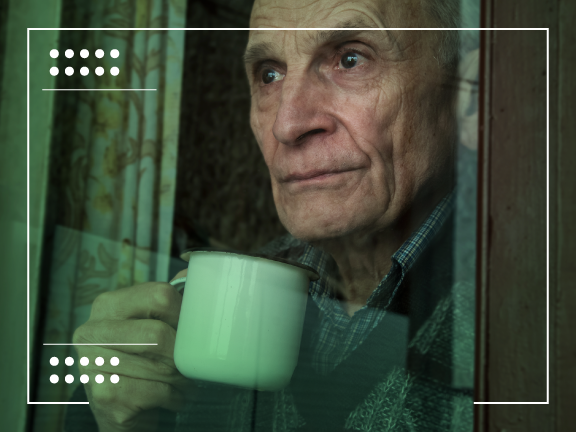
Living with a cancer diagnosis is an immense challenge, and it is not uncommon for patients to experience emotional distress. However, when this distress deepens into persistent sadness, loss of interest, and functional impairment, it may indicate depression in cancer patients. This condition is more than just feeling sad; it’s a clinical illness that requires professional attention and treatment. It can significantly impact a patient’s ability to cope with their cancer diagnosis, adhere to treatment plans, and maintain their overall well-being.
The prevalence of depression among cancer patients is notably higher than in the general population. According to the American Cancer Society, clinical depression affects approximately 15-25% of cancer patients, with even higher rates in specific cancer types or stages. This makes understanding what is depression in this context particularly important, as it often goes undiagnosed or is mistaken for normal emotional responses to a life-threatening illness. Recognizing the distinction between transient sadness and clinical depression is the first step toward providing appropriate care and improving patient outcomes.
Recognizing Symptoms and Types of Depression
Identifying symptoms of depression in cancer patients can be challenging because some symptoms, such as fatigue, changes in appetite, or sleep disturbances, can also be side effects of cancer or its treatments. Therefore, a careful assessment is necessary to differentiate between these overlapping presentations. Persistent emotional changes, a pervasive sense of hopelessness, and a loss of pleasure in activities once enjoyed are key indicators that may point towards clinical depression rather than just treatment-related fatigue or distress.
Understanding the various types of depression is also essential for accurate diagnosis and effective management. While major depressive disorder is the most commonly recognized form, other depressive disorders can affect cancer patients, such as persistent depressive disorder (dysthymia) or adjustment disorder with depressed mood. The specific type often dictates the most appropriate therapeutic approach, highlighting the importance of a thorough psychiatric evaluation.
Common Emotional and Physical Symptoms
The manifestation of depression can vary widely among individuals, but certain emotional and physical signs are commonly observed. These symptoms typically persist for at least two weeks and represent a significant change from the person’s previous functioning. For cancer patients, these can be particularly debilitating, affecting their energy levels and motivation to engage in daily life or treatment activities.
- Persistent Sadness or Irritability: A pervasive feeling of sadness, emptiness, or an irritable mood that lasts most of the day, nearly every day.
- Loss of Interest or Pleasure: A marked decrease in interest or pleasure in all, or almost all, activities, including hobbies and social interactions.
- Changes in Appetite or Weight: Significant unintentional weight loss or gain, or a decrease or increase in appetite.
- Sleep Disturbances: Insomnia (difficulty falling or staying asleep) or hypersomnia (sleeping too much) nearly every day.
- Fatigue or Loss of Energy: Persistent tiredness, even after rest, that is not solely attributable to cancer or its treatment.
- Feelings of Worthlessness or Guilt: Excessive or inappropriate feelings of guilt or worthlessness, often unrelated to actual circumstances.
- Difficulty Concentrating: Diminished ability to think, concentrate, or make decisions.
- Thoughts of Death or Suicide: Recurrent thoughts of death, suicidal ideation without a specific plan, or a suicide attempt or specific plan.
Distinguishing Types of Depressive Disorders
Beyond the general symptoms, recognizing the specific diagnostic criteria for different depressive disorders helps in tailoring treatment. Major Depressive Disorder involves a combination of symptoms that interfere with a person’s ability to work, sleep, study, eat, and enjoy life. An episode can occur once in a person’s lifetime, but more often, a person has several episodes. Persistent Depressive Disorder (dysthymia) involves less severe symptoms but lasts for a longer period, typically at least two years. While symptoms may not be as intense as major depression, they can still significantly impair daily functioning and quality of life.
Another relevant diagnosis for cancer patients is Adjustment Disorder with Depressed Mood. This occurs when an individual develops emotional or behavioral symptoms in response to an identifiable stressor, such as a cancer diagnosis. The symptoms are clinically significant but do not meet the full criteria for a major depressive episode. This distinction is important because the treatment approach might differ, focusing more on coping strategies for the stressor alongside mood management.
Causes and Treatment Options for Depression
The causes of depression in cancer patients are multifaceted, stemming from a complex interplay of biological, psychological, and social factors. Biologically, the cancer itself, its treatments (like chemotherapy or radiation), and associated pain or fatigue can alter brain chemistry and contribute to depressive symptoms. Psychologically, the shock of diagnosis, fear of recurrence, loss of independence, and existential distress can be overwhelming. Socially, changes in roles, financial strain, and altered relationships can exacerbate feelings of isolation and hopelessness.
Effective treatment options for depression in cancer patients often involve a combination of approaches tailored to the individual’s specific needs and the severity of their depression. It’s crucial that any treatment plan is integrated with their ongoing cancer care, ensuring seamless coordination between oncology and mental health teams. The goal is not only to alleviate depressive symptoms but also to improve overall quality of life and enhance the patient’s capacity to engage with their cancer treatment.
Here are some common treatment modalities:
| Treatment Type | Description | Key Benefits for Cancer Patients |
|---|---|---|
| Psychotherapy (Talk Therapy) | Includes Cognitive Behavioral Therapy (CBT), Interpersonal Therapy (IPT), and supportive therapy. Helps patients identify and change negative thought patterns and behaviors. | Provides coping strategies, reduces feelings of isolation, improves communication skills, and helps process grief and fear related to cancer. |
| Medication (Antidepressants) | Selective Serotonin Reuptake Inhibitors (SSRIs) are commonly prescribed. These medications help balance neurotransmitters in the brain. | Can significantly reduce severe depressive symptoms, improve mood, sleep, and appetite. Requires careful consideration of interactions with cancer treatments. |
| Supportive Care & Groups | Participation in support groups, peer counseling, and palliative care services. Focuses on managing symptoms and improving quality of life. | Offers a sense of community, shared experiences, emotional support, and practical advice for living with cancer and depression. |
| Lifestyle Adjustments | Encouraging regular, gentle physical activity (as tolerated), balanced nutrition, adequate sleep, and mindfulness practices. | Complements other treatments by boosting mood, reducing fatigue, improving sleep quality, and fostering a sense of control. |
It is imperative that treatment decisions are made in consultation with healthcare professionals who can assess the patient’s full medical history, including their cancer diagnosis and current treatments, to ensure safety and efficacy.
Supporting Individuals with Depression
Knowing how to help someone with depression, especially a cancer patient, involves a combination of empathy, practical support, and encouraging professional help. Family members and friends play a crucial role in providing a supportive environment, but it’s important to understand the limits of non-professional help and to avoid placing the burden of recovery solely on the individual. Open communication, active listening, and validating their feelings without judgment are fundamental.
Practical support can include assisting with daily tasks, accompanying them to appointments, or simply spending time with them in activities they once enjoyed, even if their enthusiasm is diminished. Encourage them to maintain a routine, engage in light physical activity if medically cleared, and ensure they are eating nutritious meals. Most importantly, encourage them to seek and adhere to professional mental health treatment. Offer to help them find a therapist or psychiatrist who specializes in psycho-oncology, or to schedule appointments.
It is also vital for caregivers to look after their own well-being, as supporting someone with depression and cancer can be emotionally draining. Seeking support for themselves, whether through support groups or individual counseling, ensures they can continue to provide effective care without experiencing burnout. Remember that recovery from depression is a journey, and consistent, compassionate support is key to navigating its challenges.
Depression FAQs
Sadness is a normal, transient emotional response to difficult situations like a cancer diagnosis. Clinical depression, however, is a persistent mood disorder characterized by pervasive sadness, loss of interest, and other symptoms that last for at least two weeks and significantly impair daily functioning. Unlike sadness, clinical depression requires professional diagnosis and treatment because it is a medical illness, not just a feeling.
Yes, depression can negatively impact cancer treatment outcomes. Patients with depression may have reduced adherence to treatment plans, poorer pain management, decreased quality of life, and a weakened immune response. It can also affect their ability to communicate effectively with their healthcare team, potentially leading to delays in addressing side effects or complications. Addressing depression is therefore an integral part of comprehensive cancer care.
Several factors can increase the risk of depression in cancer patients. These include a history of depression or other mental health conditions, severe pain, advanced stage of cancer, certain cancer types (e.g., pancreatic cancer, brain tumors), specific cancer treatments (e.g., corticosteroids, interferon), social isolation, and financial strain. Recognizing these risk factors allows for proactive screening and early intervention strategies.