
Cancer Treatment Vaccine
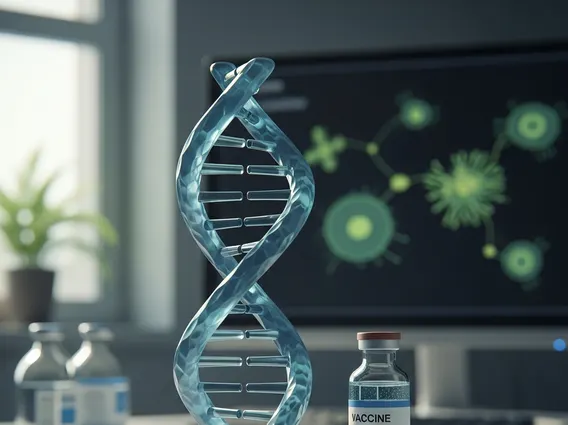
A Cancer Treatment Vaccine represents an innovative approach in oncology, leveraging the body’s own immune system to combat existing cancer. Unlike preventative vaccines, these therapeutic vaccines are designed to treat patients already diagnosed with cancer by targeting specific cancer cells.
Key Takeaways
- A Cancer Treatment Vaccine is a form of immunotherapy that stimulates the immune system to recognize and attack cancer cells.
- These vaccines work by exposing the immune system to specific cancer-associated antigens, training it to mount a targeted response.
- They differ from preventative vaccines, focusing on treating existing malignancies rather than preventing them.
- Current research is exploring various **types of cancer treatment vaccines**, including dendritic cell, peptide, and personalized neoantigen vaccines.
- Ongoing **cancer vaccine research updates** highlight the potential for improved efficacy and broader applications, often in combination with other therapies.
What is a Cancer Treatment Vaccine?
A Cancer Treatment Vaccine is a therapeutic agent designed to stimulate or restore the immune system’s ability to fight cancer. These vaccines introduce specific cancer-associated antigens to the body, prompting immune cells to recognize these antigens as foreign and initiate an attack against cancer cells expressing them. This approach aims to generate a robust and long-lasting anti-tumor immune response.
Unlike traditional vaccines that prevent infectious diseases, these vaccines are administered to individuals already diagnosed with cancer. According to the World Health Organization (WHO), cancer remains a leading cause of death worldwide, underscoring the critical need for advanced treatment modalities like immunotherapy. The goal of these vaccines is not to prevent cancer from developing, but rather to shrink tumors, prevent recurrence, or slow disease progression by harnessing the body’s natural defense mechanisms.
How Cancer Treatment Vaccines Work
The fundamental principle behind **how cancer vaccines work** involves educating the immune system to identify and eliminate malignant cells. Cancer cells often develop mechanisms to evade immune detection, but these vaccines aim to overcome such evasion. They typically introduce specific antigens—molecules found on cancer cells but not on healthy cells, or found in much higher quantities—to specialized immune cells, such as dendritic cells.
Once exposed to these antigens, dendritic cells process them and present them to T-cells, which are crucial components of the adaptive immune system. This presentation activates T-cells, transforming them into killer T-cells capable of seeking out and destroying cancer cells throughout the body that display the same antigens. This process creates an immunological memory, potentially offering long-term protection against the recurrence of the specific cancer. The effectiveness of this mechanism depends on the immune system’s ability to recognize the presented antigens as truly foreign and mount a strong, sustained response.
Types and Future of Cancer Treatment Vaccines
The field of cancer immunotherapy is rapidly evolving, leading to the development of several distinct **types of cancer treatment vaccines**. These can be broadly categorized based on their composition and the method used to deliver antigens to the immune system. Some prominent types include:
- Dendritic Cell Vaccines: These involve extracting a patient’s own dendritic cells, loading them with cancer-specific antigens in a lab, and then re-injecting them into the patient. Sipuleucel-T, approved for prostate cancer, is an example.
- Peptide Vaccines: These consist of small fragments of cancer-associated proteins (peptides) that are recognized by T-cells. They are often combined with immune-stimulating adjuvants to enhance their effect.
- Viral Vector Vaccines: These use modified viruses to deliver cancer antigens into the patient’s cells, prompting an immune response against both the virus and the cancer antigens it carries.
- Tumor Cell Vaccines: These are made from inactivated cancer cells (either from the patient or a cell line) that have been modified to express immune-stimulating molecules, aiming to present a broad array of cancer antigens to the immune system.
Significant **cancer vaccine research updates** are continually emerging, particularly in the area of personalized neoantigen vaccines. These cutting-edge vaccines are tailored to individual patients by identifying unique mutations (neoantigens) present in their specific tumor. By targeting these highly specific antigens, researchers hope to achieve even more potent and precise immune responses with fewer off-target effects. Furthermore, many ongoing clinical trials are exploring the efficacy of cancer treatment vaccines in combination with other therapies, such as checkpoint inhibitors, chemotherapy, or radiation, to enhance overall anti-tumor activity and improve patient outcomes. The future of these vaccines holds promise for more effective and individualized cancer care.



















