Brain Stem Glioma
Brain Stem Glioma is a rare and aggressive type of tumor that originates in the brain stem, a critical part of the brain responsible for vital bodily functions. Understanding this complex condition is crucial for patients, caregivers, and medical professionals alike.

Key Takeaways
- Brain Stem Glioma is a rare and aggressive tumor affecting the brain stem, which is critical for life-sustaining functions.
- Symptoms often include neurological deficits like difficulty walking, swallowing, and changes in vision, due to the tumor’s location.
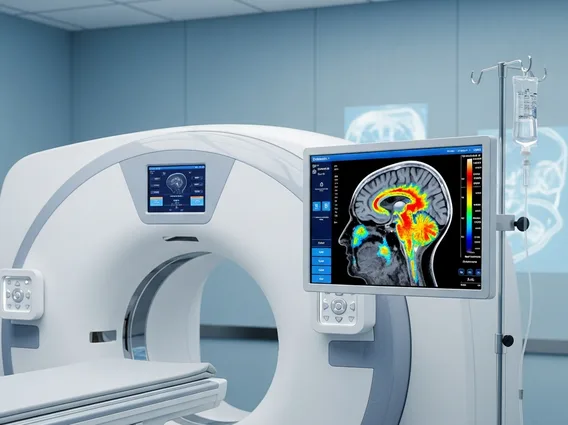
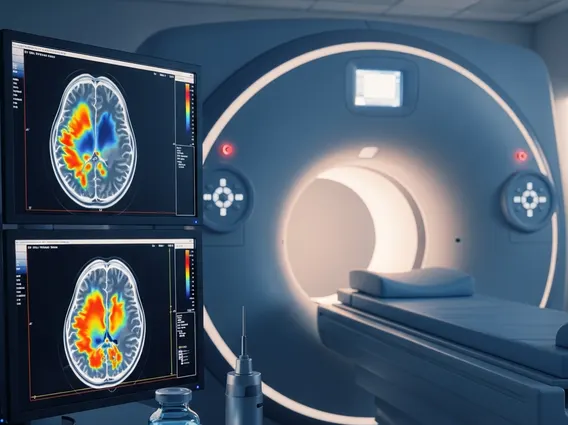
- Diagnosis typically involves imaging such as MRI, with biopsy sometimes used to confirm the specific tumor type.
- Treatment is challenging, frequently involving radiation therapy, chemotherapy, and occasionally surgery, aimed at managing symptoms and improving quality of life.
- Prognosis for Brain Stem Glioma is generally poor, varying based on the tumor’s specific characteristics and patient-specific factors.
What is Brain Stem Glioma?
Brain Stem Glioma refers to a group of tumors that develop in the brain stem, the lowest part of the brain that connects to the spinal cord. This vital region controls essential functions such as breathing, heart rate, consciousness, and movement. Gliomas are tumors that arise from glial cells, which support and protect neurons in the brain. Due to the brain stem’s critical role and confined space, tumors in this area can severely impact neurological function. These tumors are relatively rare, accounting for a small percentage of all brain tumors, and are more common in children, though they can affect adults as well. According to the Central Brain Tumor Registry of the United States (CBTRUS), gliomas of the brain stem represent a significant challenge in neuro-oncology due to their location and infiltrative nature.
Understanding Brain Stem Glioma: Symptoms and Causes
The location of a Brain Stem Glioma dictates its diverse range of symptoms, as the tumor interferes with the numerous nerve pathways and centers within this critical structure. Symptoms often develop gradually and worsen over time, reflecting the progressive nature of the tumor.
Common Brain stem glioma symptoms causes include:
- Motor Weakness: Difficulty walking, problems with coordination, or weakness on one side of the body (hemiparesis).
- Cranial Nerve Deficits: Double vision (diplopia), facial weakness or numbness, difficulty swallowing (dysphagia), and speech problems (dysarthria).
- Balance Issues: Ataxia, leading to unsteadiness and frequent falls.
- Headaches: Often accompanied by nausea and vomiting, especially if there is increased intracranial pressure.
- Personality or Behavioral Changes: More common in children, reflecting broader neurological impact.
The exact causes of Brain Stem Glioma are not fully understood. Most cases are sporadic, meaning they occur without a clear genetic predisposition or environmental trigger. Research continues to explore potential genetic mutations and cellular pathways that may contribute to the development of these tumors. Unlike some other cancers, there are no known modifiable risk factors, such as lifestyle choices or environmental exposures, that have been definitively linked to the development of Brain Stem Glioma.
Brain Stem Glioma Management and Outlook
Managing Brain stem glioma treatment options presents significant challenges due to the tumor’s critical location and infiltrative growth, often making complete surgical removal impossible without severe neurological damage. Treatment strategies are highly individualized, involving a multidisciplinary team.
Primary treatment modalities include:
- Radiation Therapy: Often the cornerstone, it aims to shrink the tumor, alleviate symptoms, and can help improve neurological function.
- Chemotherapy: Certain drugs may be used, sometimes with radiation, but effectiveness can be limited by the blood-brain barrier and tumor resistance.
- Surgery: Rarely curative, it may be considered for biopsy, decompression, or partial removal if the tumor is accessible.
- Targeted Therapy and Immunotherapy: These approaches are under investigation in clinical trials to target specific molecular pathways or harness the immune system.
The Brain stem glioma prognosis is generally poor, reflecting the aggressive nature and challenging location of these tumors. Survival rates vary based on glioma type (e.g., diffuse intrinsic pontine glioma (DIPG) has a worse prognosis), patient age, and neurological function at diagnosis. While treatment can manage symptoms and improve quality of life, long-term survival remains low, especially for high-grade tumors. Ongoing research is vital to develop more effective therapies and improve outcomes.