Brain Cancer Signs & Symptoms
Recognizing the possible signs of brain cancer can support earlier evaluation and diagnosis. Because many of these symptoms overlap with far more common, less serious conditions, understanding which patterns are worth a closer look matters.
Key Takeaways
- Headaches that are worse when you first wake up, ease within a few hours, or occur alongside vomiting, confusion, or double vision are one of the most frequently reported brain tumor symptoms, along with new seizures.
- Changes in smell, taste, or hearing, or a tingling, numb feeling limited to one side of the body, can also be early clues.
- Vision problems, trouble speaking or understanding others, and new issues with balance, coordination, or walking are recognized signs of a brain tumor.
- Memory problems, confusion, and changes in personality, mood, or behavior can also develop as a tumor affects how the brain functions.
- Because these symptoms overlap with many other, more common conditions, only a healthcare professional can determine what’s actually causing them.
Early Brain Cancer Symptoms to Watch For
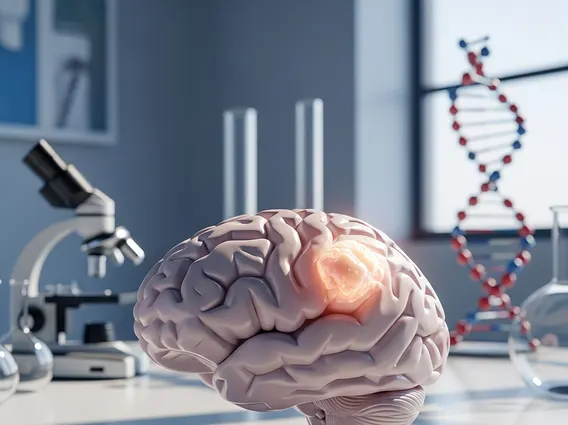
When a tumor grows within the brain or presses against nearby tissue, it can interfere with how that part of the brain normally works. Because of this, the symptoms a person experiences depend heavily on exactly where the tumor is located, what that area of the brain normally controls, and how large the tumor has grown. Early indicators are often easy to dismiss, since they can resemble far more common and less serious conditions.
Persistent Headaches and Seizures
Headache is one of the most frequently reported symptoms of a brain tumor. A pattern worth paying attention to is a headache that’s worse upon waking and then eases within a few hours, or one that wakes a person up during sleep. These headaches can also occur alongside nausea, disorientation, changes in vision, or weakness and numbness elsewhere in the body, and may flare up with coughing, physical exertion, or a shift in posture. New seizures, especially in an adult with no prior history of them, are another well-recognized sign. Seizures linked to a tumor can be focal, where a person stays awake but may notice unusual smells, tastes, or sensations, or brief jerking or tingling in part of the body, or generalized, where a person loses consciousness, sometimes with jerking movements.
Subtle Sensory Changes
Beyond pain, a tumor can also affect the senses in less obvious ways. Some people notice a change in their sense of smell or taste, or in how well they hear, particularly if it develops on just one side. Numbness, tingling, or an altered sense of touch in part of the body can occur as well, reflecting the tumor’s effect on the areas of the brain that process sensory information.
Neurological Manifestations of Brain Tumors
As a tumor grows, it can begin to press on or disrupt more specific regions of the brain, leading to changes that are harder to overlook. These changes often prompt people to see a doctor.
Vision and Speech Difficulties
Vision difficulties are common and can include blurred vision, double vision, or a broader loss of vision, depending on which part of the brain is affected. Some people also develop trouble speaking clearly or trouble understanding what others are saying to them. Because these changes can develop gradually, they’re sometimes mistaken at first for simple fatigue or normal aging, but a worsening pattern is a signal worth having evaluated.
Motor Skill and Balance Issues
Weakness affecting one side of the body is a frequently reported symptom of a brain tumor. Problems with balance or coordination, clumsiness, and new difficulty walking are also recognized signs, and together these changes can make everyday tasks and independence more difficult.
Cognitive and Behavioral Brain Cancer Symptoms
Brain tumors can also affect how a person thinks, remembers, and behaves, sometimes even before more physical symptoms appear.
Memory Loss and Confusion
Problems with memory, along with confusion and trouble concentrating, are recognized cognitive symptoms of a brain tumor. Some people find it harder to follow conversations, stay organized, or recall recent events. These changes can affect daily responsibilities and are worth mentioning to a healthcare provider, since they can also stem from unrelated causes that are easier to treat.
Personality Shifts and Mood Changes
Changes in personality, mood, or behavior are also recognized symptoms of a brain tumor. Family members sometimes notice new irritability, a loss of interest in activities a person used to enjoy, or uncharacteristic mood swings before the person themselves realizes anything is different. These shifts can be easy to mistake for stress or an unrelated mood condition, which is part of why they’re worth discussing with a doctor.
When to Seek Medical Help for Brain Cancer Symptoms
Because brain tumor symptoms overlap with far more common and less serious conditions, it’s usually the combination and progression of symptoms that matters most, rather than any single sign on its own. If you or someone you know develops new or worsening headaches, an unexplained seizure, vision or speech changes, new weakness, or noticeable shifts in memory, mood, or personality, it’s worth having a healthcare provider take a look. Sudden changes in memory, the ability to understand speech, attention, or vision that develop within minutes or hours are considered urgent and call for immediate medical attention. A doctor can perform a neurological exam and order imaging to help determine what’s going on.
Frequently Asked Questions About Brain Cancer Symptoms
What are the most common initial brain cancer symptoms?
The most commonly reported initial symptoms include headaches, often worse in the morning or triggered by coughing or a change in position, and new seizures in adults. Subtle sensory changes, such as an altered sense of smell, taste, or touch, and mild weakness on one side of the body can also be among the earliest clues. Because these symptoms can also be caused by many other, more common conditions, a professional medical evaluation is the only way to determine the actual cause.
Can brain tumor symptoms appear suddenly?
Symptoms usually develop gradually, and some tumors don’t cause any noticeable symptoms until they’ve grown quite large. That said, certain changes can appear quickly. Sudden changes in memory, the ability to understand speech, attention, or vision that occur within minutes or hours call for immediate medical attention, even in someone with no prior diagnosis. For most people, though, it’s the gradual worsening of symptoms over weeks or months that first raises concern.
What factors influence the severity of brain cancer symptoms?
How noticeable or severe a symptom is depends largely on where in the brain the tumor is located, what that particular area normally controls, and how large the tumor has become. A small tumor in a highly functional area can cause pronounced symptoms, while a larger tumor in a less critical area might produce only mild or subtle changes. Because of this variability, the pattern of symptoms someone experiences is closely tied to their own individual case, which is why a professional evaluation is needed to interpret them.
Sources