
Bilateral Salpingo Oophorectomy
Bilateral Salpingo Oophorectomy is a significant surgical procedure involving the removal of both fallopian tubes and ovaries. This operation is performed for various medical reasons, often impacting a woman’s hormonal balance and reproductive health.
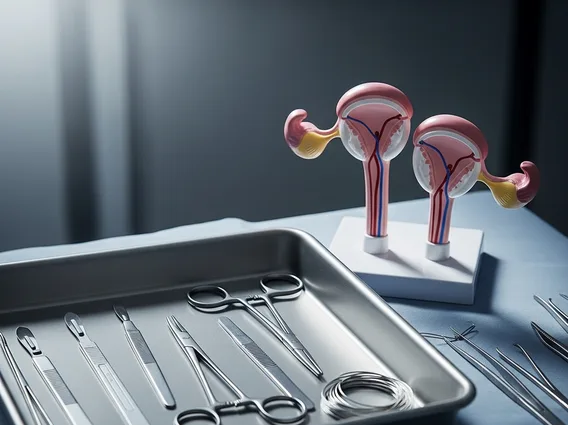
Key Takeaways
- Bilateral Salpingo Oophorectomy involves the surgical removal of both ovaries and fallopian tubes.
- It is performed for conditions like cancer, endometriosis, or as a preventive measure for high-risk individuals.
- The procedure induces surgical menopause, leading to potential side effects due to abrupt hormonal changes.
- Recovery time varies but typically involves several weeks of rest and gradual activity increase.
- Long-term management often includes hormone replacement therapy (HRT) to mitigate menopausal symptoms and associated health risks.
What is Bilateral Salpingo Oophorectomy?
Bilateral Salpingo Oophorectomy refers to a surgical procedure that involves the removal of both fallopian tubes (salpingectomy) and both ovaries (oophorectomy). This operation is typically performed to address various gynecological conditions, including certain cancers, severe endometriosis, or as a prophylactic measure to reduce cancer risk. It is a major abdominal or laparoscopic surgery that has significant implications for a woman’s reproductive and endocrine systems, as the ovaries are the primary source of estrogen and progesterone production. The decision to undergo this procedure is carefully considered by both the patient and their healthcare provider, weighing the benefits against potential risks and long-term effects.
Reasons for and Side Effects of Bilateral Salpingo Oophorectomy
The decision to perform a Bilateral Salpingo Oophorectomy is made based on specific medical indications. Understanding the reasons for bilateral salpingo oophorectomy is crucial for patients considering this surgery. Common reasons include:
- Ovarian or fallopian tube cancer: To remove cancerous tissue and prevent its spread.
- High risk of ovarian or breast cancer: For individuals with genetic mutations (e.g., BRCA1/BRCA2) that significantly increase cancer risk, often as a prophylactic measure.
- Severe endometriosis: When endometrial tissue grows outside the uterus, causing chronic pain and other complications, and other treatments have failed.
- Pelvic inflammatory disease (PID): In severe cases where infection has caused extensive damage to the fallopian tubes and ovaries.
- Benign ovarian tumors or cysts: If they are large, recurrent, or causing significant symptoms and other treatments are not viable.
Following the surgery, patients may experience various bilateral salpingo oophorectomy side effects. Since the ovaries are removed, the body immediately enters surgical menopause, regardless of the patient’s age. This abrupt hormonal shift can lead to symptoms similar to natural menopause, often more intensely. These side effects can include hot flashes, night sweats, vaginal dryness, mood swings, sleep disturbances, and a decrease in libido. Long-term implications may involve an increased risk of osteoporosis and cardiovascular disease due to the sudden loss of estrogen. Hormone replacement therapy (HRT) is often considered to manage these symptoms and mitigate long-term health risks, though its suitability depends on individual health factors and the underlying reason for the surgery.
Recovery After Bilateral Salpingo Oophorectomy
The bilateral salpingo oophorectomy recovery time can vary depending on the surgical approach (laparoscopic versus open surgery) and individual patient factors. Generally, patients can expect a recovery period of several weeks. Immediately after surgery, pain management is a priority, and patients are encouraged to ambulate early to prevent complications like blood clots. For laparoscopic surgery, hospital stays are typically shorter, often 1-2 days, with a full recovery taking 2-4 weeks. Open abdominal surgery usually requires a longer hospital stay, around 3-5 days, and a recovery period of 4-6 weeks or more. During this time, patients are advised to avoid heavy lifting, strenuous activities, and sexual intercourse. Gradual resumption of normal activities is recommended, guided by the healthcare provider’s instructions. Follow-up appointments are essential to monitor healing, manage menopausal symptoms, and discuss long-term health strategies, including hormone therapy if appropriate. Adequate rest, a healthy diet, and emotional support are crucial components of a smooth recovery process.



















