Betel Quid With Tobacco
Betel Quid With Tobacco is a psychoactive and carcinogenic substance widely consumed in various parts of Asia and among migrant communities globally. Its use carries significant health risks, primarily impacting oral health and increasing the likelihood of various cancers.
Key Takeaways
- Betel Quid With Tobacco is a chewing mixture typically containing betel leaf, areca nut, slaked lime, and tobacco.
- It is primarily consumed in South and Southeast Asia, as well as by diaspora communities worldwide.
- The habit is strongly linked to severe oral health issues, including precancerous lesions and oral cancer.
- Regular usage also contributes to other systemic health problems, such as cardiovascular disease and reproductive complications.
- Quitting the use of Betel Quid With Tobacco is crucial for mitigating its extensive health dangers.
What is Betel Quid With Tobacco?
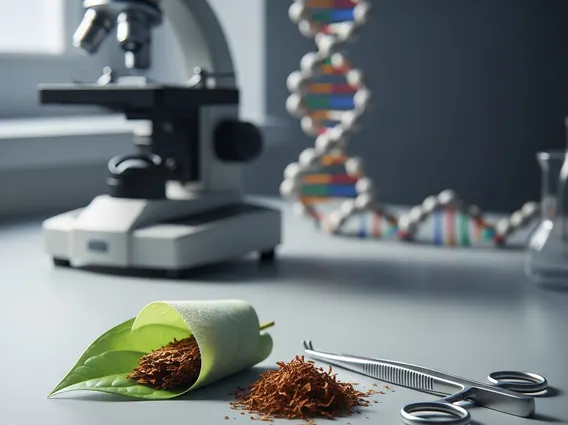
Betel Quid With Tobacco refers to a preparation chewed by millions worldwide, particularly in South and Southeast Asia. This mixture typically consists of four primary ingredients: the leaf of the betel vine (Piper betle), the nut of the areca palm (Areca catechu), slaked lime (calcium hydroxide), and tobacco. The tobacco component can be in various forms, such as raw, cured, or processed, and is often mixed directly into the quid or chewed separately alongside it. The combination of these ingredients creates a potent psychoactive effect, which is a primary reason for its widespread consumption.
The preparation and specific ingredients of betel quid can vary significantly by region and cultural practice. Some variations may include additional spices, sweeteners, or flavorings. The act of chewing the quid releases alkaloids from the areca nut and nicotine from the tobacco, leading to a stimulating effect often described as a sense of euphoria or increased alertness. This traditional practice has deep cultural and social roots in many communities, often used in social gatherings, ceremonies, and as a daily habit.
Health Effects and Risks of Chewing Betel Quid With Tobacco
The health effects of betel quid with tobacco are extensive and predominantly detrimental, impacting various organ systems, with the most severe consequences observed in oral health. The World Health Organization (WHO) has classified both betel quid with tobacco and areca nut itself as Group 1 carcinogens, meaning they are definitively cancer-causing to humans. The presence of tobacco significantly exacerbates these risks due to its own well-documented carcinogenic properties.
The primary concern associated with this habit is the dramatically increased risk of oral cancer, including squamous cell carcinoma of the mouth, pharynx, and esophagus. Before cancer develops, users often experience precancerous conditions. One such condition is oral submucous fibrosis (OSF), a debilitating and irreversible disease characterized by progressive stiffness of the oral tissues, leading to difficulty in opening the mouth, speaking, and eating. Other common oral issues include leukoplakia (white patches in the mouth), erythroplakia (red patches), and severe periodontal disease, which can result in tooth loss.
The risks of chewing betel quid and tobacco extend beyond oral health. Regular consumption is linked to a range of systemic health problems. Cardiovascular issues, such as hypertension, increased risk of heart attack, and stroke, are observed due to the vasoconstrictive effects of nicotine and other alkaloids. Furthermore, studies indicate associations with reproductive health problems, including adverse birth outcomes and infertility. The addictive nature of nicotine, combined with the psychoactive effects of areca nut, makes cessation challenging, contributing to prolonged exposure to these harmful substances.
Understanding the full scope of betel quid with tobacco usage and dangers is crucial for public health initiatives. According to the International Agency for Research on Cancer (IARC), the risk of oral cancer can be up to 10 times higher for individuals who chew betel quid with tobacco compared to non-users. The cumulative effect of long-term exposure to the carcinogens present in both the areca nut and tobacco, along with the abrasive nature of the quid, significantly contributes to these severe health outcomes.
Key health risks include:
- Oral cancer (squamous cell carcinoma)
- Oral submucous fibrosis (OSF)
- Leukoplakia and erythroplakia
- Periodontal disease and tooth loss
- Cardiovascular diseases (hypertension, heart attack, stroke)
- Reproductive health issues
- Addiction and dependence
Given these profound health implications, public health campaigns and cessation programs are vital in regions where Betel Quid With Tobacco consumption is prevalent, aiming to reduce its usage and mitigate its devastating impact on human health.