Beclin 1
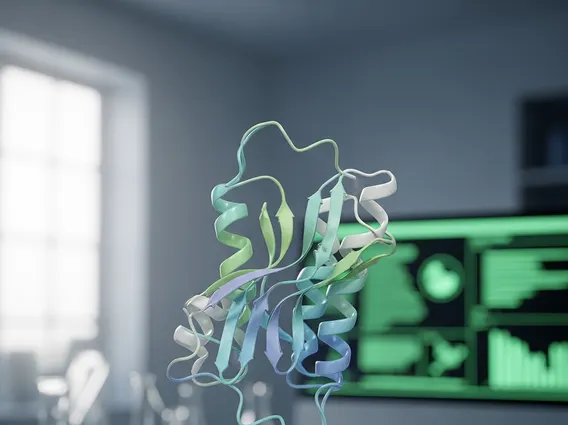
Beclin 1 is a critical protein involved in various fundamental cellular processes, primarily recognized for its central role in autophagy. Understanding its functions and regulatory mechanisms is vital for comprehending cellular health and disease pathogenesis.
Key Takeaways
- Beclin 1 is a highly conserved protein essential for initiating autophagy, a cellular recycling process.
- It forms part of the Class III PI3K complex, which is crucial for forming autophagosomes.
- Beyond autophagy, Beclin 1 influences other cellular functions, including endocytosis and cell death.
- Dysregulation of Beclin 1 is implicated in various diseases, such as cancer, neurodegenerative disorders, and infectious diseases.
- Modulating Beclin 1 activity represents a potential therapeutic strategy for these conditions.
What is Beclin 1?
Beclin 1 is a mammalian coiled-coil protein encoded by the BECN1 gene, highly conserved across species. It was initially identified as a Bcl-2-interacting protein, highlighting its role in regulating cell survival and death pathways. Fundamentally, Beclin 1 serves as a crucial component of the Class III Phosphatidylinositol 3-kinase (PI3K) complex, which is indispensable for initiating the formation of autophagosomes, the double-membraned vesicles central to autophagy.
This protein acts as a scaffold, bringing together other essential proteins to form the active complex that generates phosphatidylinositol-3-phosphate (PI3P). PI3P is a lipid signal that recruits downstream effectors necessary for autophagosome nucleation and expansion. Its expression and activity are tightly regulated within cells to maintain cellular homeostasis.
Beclin 1’s Function in Autophagy and Cellular Processes
The primary and most extensively studied function of Beclin 1 function in cells is its involvement in autophagy. Autophagy, meaning “self-eating,” is a catabolic process where cells degrade and recycle damaged organelles, misfolded proteins, and intracellular pathogens. This process is vital for cellular maintenance, stress response, and adaptation to nutrient deprivation.
Beclin 1 is a core component of the Vps34 (Class III PI3K) complex, which is critical for the nucleation step of autophagosome formation. The activation of this complex, often through the dissociation of inhibitory proteins like Bcl-2 or through phosphorylation events, initiates the formation of PI3P-enriched membranes that mature into autophagosomes. This intricate cascade is often referred to as the Beclin 1 autophagy pathway. Beyond its central role in macroautophagy, Beclin 1 has also been implicated in other cellular processes:
- Endocytosis: It participates in certain endocytic pathways, influencing the trafficking of receptors and other cargo from the cell surface.
- Apoptosis: While primarily pro-autophagic, Beclin 1 can also interact with anti-apoptotic proteins like Bcl-2, thereby modulating the balance between cell survival and programmed cell death.
- Cell Proliferation: By regulating cellular degradation and recycling, Beclin 1 indirectly influences cell growth and division.
The precise regulation of Beclin 1 activity is crucial, as both insufficient and excessive autophagy can be detrimental to cellular health.
Beclin 1: Implications in Disease
The multifaceted roles of Beclin 1 mean that its dysregulation has significant Beclin 1 role in disease. Alterations in Beclin 1 expression or function are linked to a wide range of pathological conditions, making it a promising area for therapeutic intervention.
In cancer, Beclin 1 often acts as a tumor suppressor. Many human cancers exhibit monoallelic deletion of the BECN1 gene, leading to reduced Beclin 1 levels and impaired autophagy. This impairment can allow damaged cells to survive and proliferate, contributing to tumor development and progression. Conversely, in established tumors, autophagy can sometimes promote cancer cell survival under stress, leading to complex and context-dependent roles for Beclin 1 in cancer therapy.
Furthermore, Beclin 1 is implicated in neurodegenerative diseases such as Alzheimer’s, Parkinson’s, and Huntington’s disease. Impaired autophagy, often due to reduced Beclin 1 activity, can lead to the accumulation of misfolded proteins and damaged organelles, which are hallmarks of these conditions. Enhancing Beclin 1-mediated autophagy is being explored as a potential strategy to clear these toxic aggregates and slow disease progression. Beclin 1 also plays a role in infectious diseases, as autophagy can be a host defense mechanism against intracellular pathogens, while some pathogens have evolved ways to manipulate Beclin 1 to their advantage.