
Base Pair
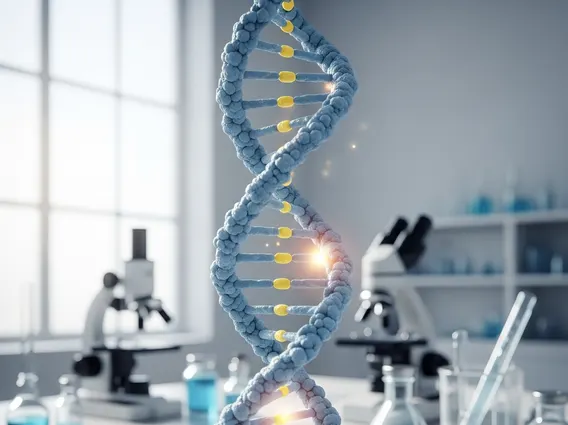
A base pair is a fundamental unit of DNA and RNA structure, crucial for storing and transmitting genetic information. These pairs form the “rungs” of the DNA double helix, dictating the genetic code that underlies all life processes.
Key Takeaways
- A Base Pair is a fundamental unit of DNA and RNA, consisting of two complementary nitrogenous bases held together by hydrogen bonds.
- Base pairs are essential for maintaining the double helix structure of DNA and for accurate genetic information storage and replication.
- In DNA, the primary types of base pairs are Adenine-Thymine (A-T) and Guanine-Cytosine (G-C).
- The formation of base pairs is governed by specific hydrogen bonding patterns between complementary bases.
What is a Base Pair? Definition and Function
A Base Pair refers to two nitrogenous bases that are connected by hydrogen bonds, forming a fundamental building block of the DNA (deoxyribonucleic acid) and RNA (ribonucleic acid) molecules. This specific pairing is central to the structure of the DNA double helix, where it forms the “rungs” of the ladder-like molecule. The primary function of a base pair is to provide a stable and accurate mechanism for storing and transmitting genetic information across generations.
The precise pairing of bases ensures the fidelity of DNA replication and transcription, processes vital for cell division and protein synthesis. This accurate pairing is a cornerstone of molecular biology, enabling the genetic code to be read and copied without errors, which is critical for the proper functioning and inheritance of biological traits. The stability offered by these hydrogen bonds, while individually weak, collectively provides significant structural integrity to the DNA molecule.
Types of Base Pairs in DNA
In DNA, there are two primary types of base pairs, each involving a purine and a pyrimidine base. These specific pairings are dictated by the chemical structures of the bases, which allow for the formation of a precise number of hydrogen bonds between them. This complementary pairing is known as Chargaff’s rules and is essential for the consistent width and structure of the DNA double helix.
- Adenine (A) and Thymine (T): These two bases always pair together. Adenine is a purine, and Thymine is a pyrimidine. They form two hydrogen bonds between them, contributing to the stability of the DNA structure.
- Guanine (G) and Cytosine (C): These two bases also consistently pair with each other. Guanine is a purine, and Cytosine is a pyrimidine. They form three hydrogen bonds, making the G-C pair slightly stronger and more stable than the A-T pair.
These specific pairings ensure that the genetic information encoded in the sequence of bases can be accurately replicated and transcribed. The sequence of these base pairs along the DNA strand constitutes the genetic code, which determines the characteristics and functions of an organism.
How Do Base Pairs Form?
The formation of base pairs is a highly specific process driven by hydrogen bonding between complementary nitrogenous bases. This interaction is fundamental to the structure of the DNA double helix, where two antiparallel strands are held together by these bonds. Each base has a unique chemical structure that allows it to form a specific number of hydrogen bonds with only one other type of base.
For instance, Adenine (A) forms two hydrogen bonds exclusively with Thymine (T), while Guanine (G) forms three hydrogen bonds exclusively with Cytosine (C). These hydrogen bonds are relatively weak individually but collectively provide significant stability to the DNA molecule. This precise pairing mechanism ensures that when DNA replicates, each new strand is an exact complement of its template, thereby preserving the integrity of the genetic information. The ability of base pairs to form and dissociate under specific cellular conditions is also crucial for processes like DNA replication and gene expression.



















