
Stereotaxic Radiation Therapy
Stereotaxic Radiation Therapy is an advanced form of radiation treatment that delivers highly focused radiation doses to tumors with extreme precision. This non-invasive approach aims to maximize tumor control while minimizing damage to surrounding healthy tissues.
Key Takeaways
- Stereotaxic Radiation Therapy is a highly precise radiation technique.
- It delivers high doses of radiation in fewer treatment sessions.
- The therapy uses advanced imaging and planning to target tumors accurately.
- It is effective for various cancers, including those in sensitive areas like the brain, spine, and lungs.
- Patients often experience fewer and less severe side effects compared to conventional radiation.
What is Stereotaxic Radiation Therapy?
Stereotaxic Radiation Therapy refers to a sophisticated, non-surgical radiation treatment that delivers very high doses of radiation to a precisely defined target within the body. This method is distinct from conventional radiation therapy because it uses advanced imaging and computer-guided systems to pinpoint tumors with sub-millimeter accuracy. By concentrating the radiation dose on the tumor and minimizing exposure to adjacent healthy tissues, it allows for higher doses per treatment session, leading to fewer overall sessions.
This treatment modality is often used for small to medium-sized tumors and lesions, particularly in areas where surgery might be challenging or risky. It encompasses techniques such as Stereotactic Radiosurgery (SRS) for the brain and spine, and Stereotactic Body Radiation Therapy (SBRT) for tumors in other parts of the body, including the lungs, liver, and prostate. The primary goal is to destroy cancer cells or stop their growth effectively while preserving organ function and reducing treatment-related complications.
How Stereotaxic Radiation Therapy Works
The effectiveness of Stereotaxic Radiation Therapy lies in its meticulous planning and precise delivery. The process begins with detailed imaging scans, such as CT, MRI, or PET, to create a comprehensive 3D map of the tumor and surrounding anatomy. This information is then used by a specialized medical team to develop a personalized treatment plan.
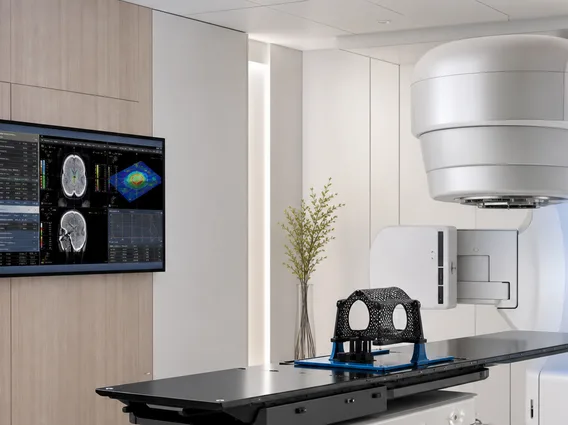
During treatment, patients are carefully positioned and often immobilized using custom-made devices to ensure no movement occurs. High-energy X-rays are delivered from multiple angles, with each beam precisely shaped and directed to converge at the tumor site. This convergence allows for a high cumulative dose to the tumor while the dose to any single path through healthy tissue remains low. Key steps in the process include:
- Imaging and Localization: High-resolution scans precisely map the tumor’s exact location, shape, and size.
- Treatment Planning: Sophisticated computer software calculates the optimal radiation dose distribution and beam angles.
- Patient Immobilization: Custom molds or frames ensure the patient remains perfectly still during each session.
- Image-Guided Radiation Therapy (IGRT): Real-time imaging during treatment verifies tumor position and accounts for any subtle patient or tumor movement.
- Radiation Delivery: A linear accelerator delivers highly focused radiation beams, often in a continuous arc around the patient.
This intricate coordination of imaging, planning, and delivery ensures that the radiation dose is concentrated exactly where it is needed, maximizing tumor destruction while sparing critical healthy structures.
Benefits and Potential Side Effects
Stereotaxic Radiation Therapy offers several significant advantages over conventional radiation approaches. The high precision allows for the delivery of potent radiation doses directly to the tumor, which can lead to better local tumor control and potentially improved outcomes. Stereotaxic radiation therapy benefits also include a reduced number of treatment sessions, often ranging from one to five, which can be more convenient for patients and reduce the overall treatment burden. This therapy is particularly valuable for treating tumors in challenging locations or for patients who cannot undergo surgery.
While generally well-tolerated, Stereotaxic radiation therapy side effects can occur, though they are typically localized and less severe than those associated with conventional, longer-course radiation. Side effects depend heavily on the treated area and the dose delivered. Common side effects might include:
- Fatigue, which can range from mild to moderate.
- Localized skin irritation or redness at the treatment site.
- Nausea or vomiting, especially if the treatment area is in the abdomen or brain.
- Hair loss, if the brain is the target area.
- Temporary swelling or inflammation in the treated tissue.
Most side effects are temporary and managed with supportive care. The medical team carefully monitors patients throughout the treatment course and provides guidance on managing any symptoms, ensuring the best possible quality of life during and after therapy.



















