Stereotactic Radiation Therapy
Stereotactic Radiation Therapy is an advanced form of radiation treatment that delivers highly targeted radiation doses to tumors with extreme precision, often in fewer sessions than conventional radiation therapy.
Key Takeaways
- Stereotactic Radiation Therapy (SRT) is a non-invasive radiation treatment that delivers high doses of radiation with pinpoint accuracy.
- SRT minimizes damage to surrounding healthy tissues by precisely targeting tumors.
- It is often used for small to medium-sized tumors in the brain, lung, spine, and other areas.
- The treatment typically involves fewer sessions compared to conventional radiation therapy.
- Benefits include high success rates for localized tumors, while risks can involve fatigue and temporary side effects depending on the treated area.
What is Stereotactic Radiation Therapy (SRT)?
Stereotactic Radiation Therapy (SRT) refers to a highly precise form of radiation treatment that uses focused radiation beams to destroy tumors. This advanced technique delivers very high doses of radiation to a small, well-defined target area, while significantly limiting exposure to surrounding healthy tissues. It is particularly effective for small to medium-sized tumors and can be used to treat various cancers, including those in the brain, lung, spine, liver, and prostate. The goal of SRT is to maximize tumor control while minimizing side effects, making it a valuable option for patients who may not be candidates for surgery or who prefer a non-invasive approach. According to the American Society for Radiation Oncology (ASTRO), stereotactic radiation therapy explained is increasingly utilized due to its ability to deliver potent, localized treatment with high efficacy rates for appropriate cases.
How Stereotactic Radiation Therapy Works
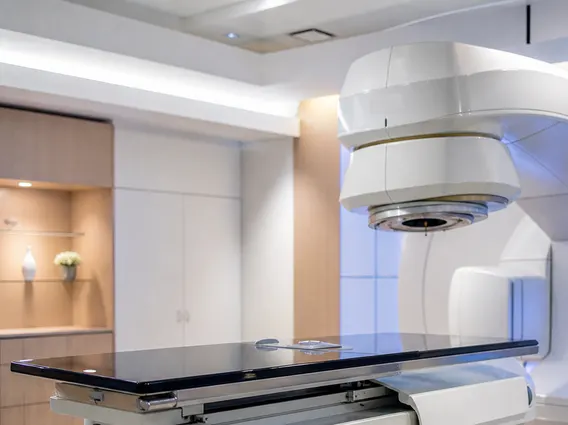
The process of how stereotactic radiation therapy works involves several critical steps to ensure accuracy and effectiveness. Before treatment begins, a detailed imaging process, often including CT scans, MRI scans, and PET scans, is performed to precisely map the tumor’s location, size, and shape. This imaging data is then used to create a personalized treatment plan, which determines the exact angles and intensity of the radiation beams. During the treatment, specialized equipment, such as a linear accelerator, delivers multiple beams of radiation that converge at the tumor site. The patient is carefully positioned and immobilized to prevent movement, often using custom-made molds or frames, ensuring that the radiation is delivered with sub-millimeter accuracy. This precision allows for the delivery of ablative doses of radiation, meaning doses high enough to destroy the tumor cells, often in just one to five treatment sessions, compared to the multiple weeks required for conventional radiation therapy.
Benefits and Risks of Stereotactic Radiation Therapy
Understanding the stereotactic radiation therapy benefits risks is crucial for patients considering this treatment option. SRT offers several significant advantages, primarily due to its high precision and concentrated dose delivery. These benefits include:
- High Tumor Control Rates: For appropriately selected tumors, SRT can achieve very high rates of local tumor control, often comparable to surgical outcomes.
- Non-Invasive: As a non-surgical procedure, it avoids the risks associated with surgery, such as infection, bleeding, and prolonged recovery times.
- Fewer Treatment Sessions: Patients typically undergo 1 to 5 sessions, which is significantly fewer than conventional radiation therapy, improving convenience and quality of life during treatment.
- Reduced Side Effects: The precise targeting minimizes radiation exposure to healthy tissues, potentially leading to fewer and less severe side effects compared to traditional radiation.
- Outpatient Procedure: Most SRT treatments are performed on an outpatient basis, allowing patients to return home the same day.
Despite its benefits, SRT also carries potential risks and side effects, which vary depending on the treated area and the patient’s overall health. Common side effects can include fatigue, skin irritation at the treatment site, and temporary swelling or inflammation in the treated area. For treatments involving the brain, temporary headaches or nausea may occur. When treating tumors in the lung or abdomen, patients might experience coughing, shortness of breath, or digestive issues. While serious complications are rare due to the precision of the treatment, potential risks can include damage to nearby critical structures, though advanced planning and imaging aim to mitigate these as much as possible. Patients should discuss all potential benefits and risks thoroughly with their oncology team to determine if SRT is the most suitable treatment for their specific condition.