Stereotactic Body Radiation Therapy
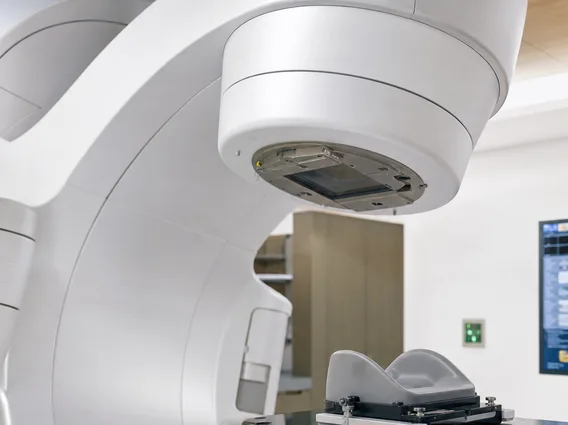
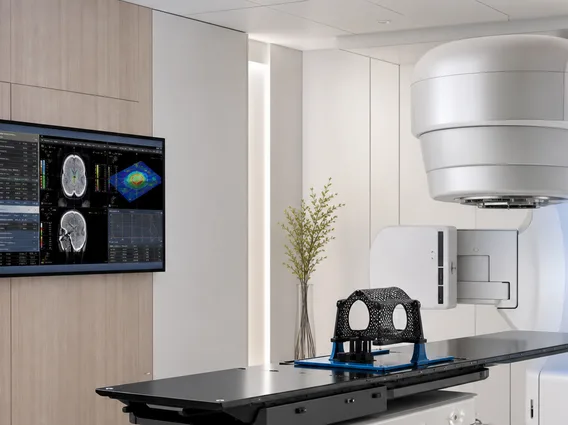
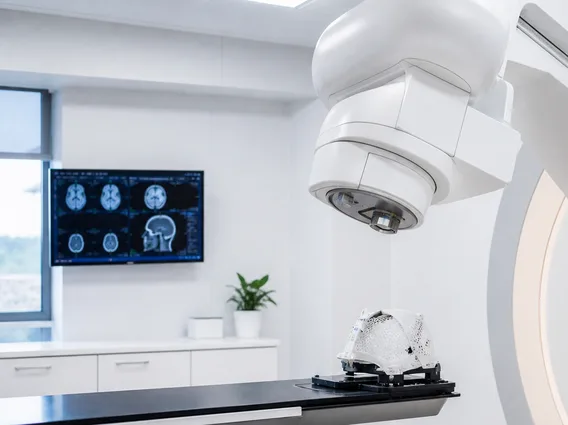
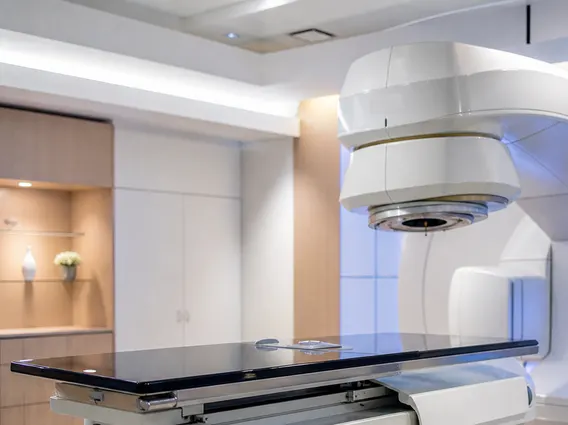
Stereotactic Body Radiation Therapy is an advanced form of radiation treatment used to precisely target and destroy tumors. This highly specialized technique delivers high doses of radiation with extreme accuracy, minimizing damage to surrounding healthy tissues.
Key Takeaways
- SBRT is a highly precise radiation therapy for tumors.
- It delivers high radiation doses in fewer treatment sessions.
- The treatment minimizes damage to healthy surrounding tissue.
- SBRT offers a non-invasive option for various cancers.
- It can improve local tumor control and patient quality of life.
What is Stereotactic Body Radiation Therapy (SBRT)?
Stereotactic Body Radiation Therapy (SBRT) is a highly advanced form of external beam radiation therapy that delivers very precise, high doses of radiation to a tumor over a short number of treatment sessions. Unlike conventional radiation therapy, which typically involves many smaller daily doses, SBRT uses sophisticated imaging and treatment planning to target tumors with sub-millimeter accuracy. This precision allows for a more potent dose to be delivered directly to the cancerous cells, while significantly reducing exposure to nearby healthy organs and tissues.
This specialized approach is often referred to as an SBRT treatment for cancer explained, highlighting its role in modern oncology. It is particularly effective for small to medium-sized tumors located in various parts of the body, including the lung, liver, spine, and prostate. The goal of SBRT is to maximize tumor cell kill while minimizing side effects, making it a valuable option for patients who may not be candidates for surgery or those seeking a less invasive alternative.
How Does SBRT Work for Tumors?
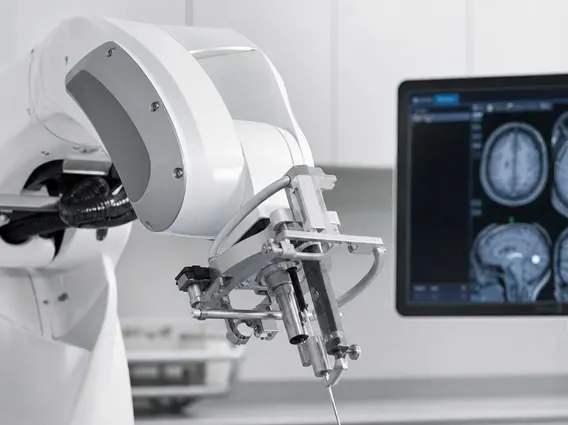
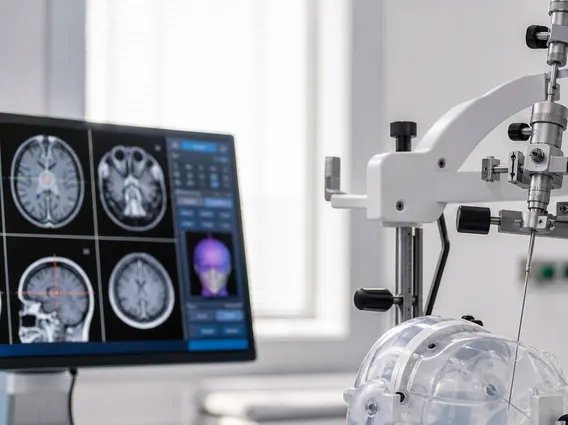
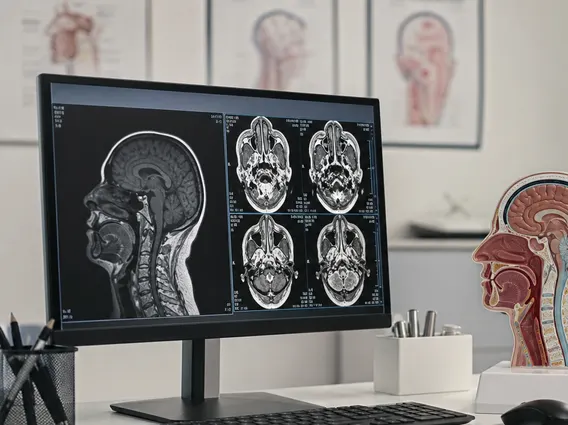
The mechanism of SBRT involves a multi-step process that emphasizes precision and customization. Before treatment, patients undergo detailed imaging scans, such as CT, MRI, or PET scans, to create a highly accurate 3D map of the tumor and surrounding anatomy. This mapping allows radiation oncologists to precisely define the tumor’s exact shape, size, and location, as well as its relationship to critical organs.
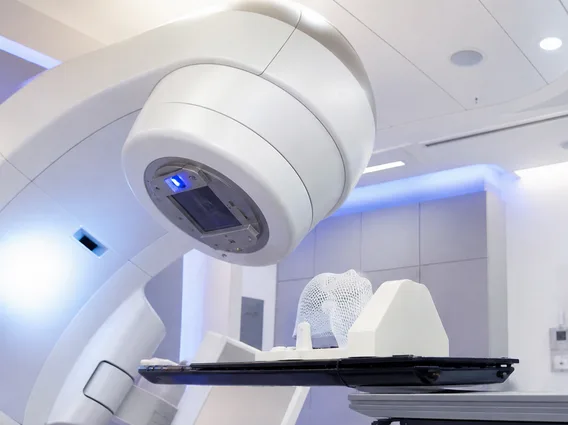
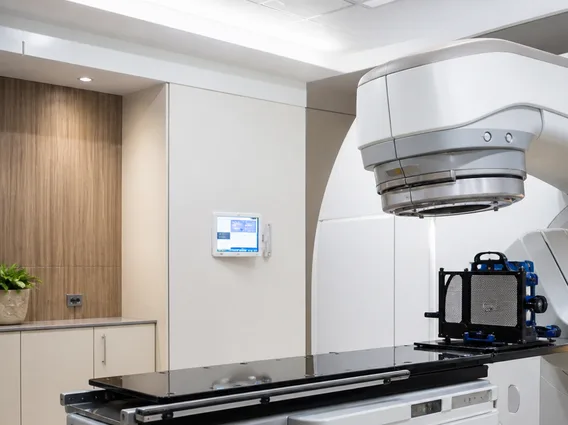
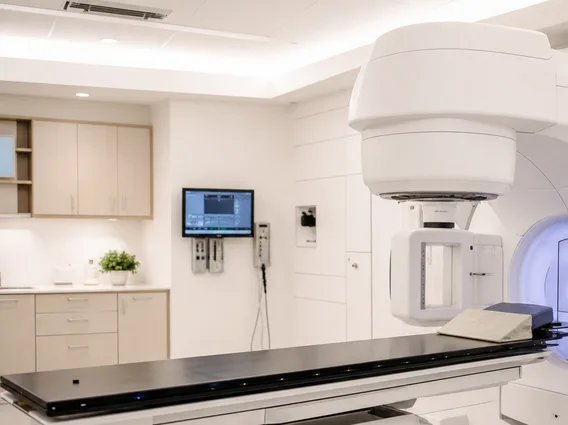
Using this detailed information, a specialized treatment plan is developed. Advanced computer software calculates the optimal angles and intensities of radiation beams to deliver a concentrated dose directly to the tumor. During each treatment session, the patient is carefully positioned, and real-time imaging (such as cone-beam CT) is often used to track tumor movement, especially in areas affected by breathing, ensuring the radiation beams consistently hit the target. This dynamic tracking is crucial for the effectiveness of SBRT, as it allows for the delivery of ablative doses of radiation that can destroy cancer cells.
Benefits of SBRT for Cancer Treatment
The benefits of stereotactic radiation therapy are numerous, making it an increasingly popular option for many cancer patients. One of the primary advantages is the ability to deliver high doses of radiation in fewer treatment sessions, typically ranging from 1 to 5 fractions, compared to the 20-40 sessions often required for conventional radiation. This significantly reduces the overall treatment time, improving convenience and quality of life for patients.
Furthermore, SBRT’s exceptional precision leads to a lower risk of damage to healthy tissues and organs adjacent to the tumor. This can translate to fewer and less severe side effects compared to traditional radiation therapy or surgery. For instance, in lung cancer, SBRT can target tumors while sparing much of the healthy lung tissue, potentially preserving lung function. It offers a non-invasive alternative for patients who are not surgical candidates due to age, comorbidities, or tumor location, providing an effective local control option.
- High precision targeting, minimizing collateral damage.
- Fewer treatment sessions (typically 1-5).
- Reduced side effects compared to conventional radiation.
- Non-invasive alternative to surgery for certain tumors.
- Improved local tumor control rates.