Stereotactic Ablative Body Radiation Therapy
Stereotactic Ablative Body Radiation Therapy (SABR), also known as Stereotactic Body Radiation Therapy (SBRT), is an advanced and highly precise form of radiation treatment. This non-invasive technique delivers very high doses of radiation to a tumor with extreme accuracy, aiming to destroy cancer cells while significantly minimizing damage to surrounding healthy tissues.
Key Takeaways
- SABR/SBRT is a non-invasive radiation therapy that delivers intense, focused radiation to tumors.
- It is typically used for small, early-stage cancers or metastatic lesions in various parts of the body, including the lung, liver, spine, and prostate.
- The treatment process involves detailed imaging, sophisticated planning, and is usually completed in 1 to 5 sessions.
- Key advantages include high rates of local tumor control, a shorter treatment course compared to conventional radiation, and generally fewer side effects.
- Side effects are localized and temporary, varying by the treated area, with most patients experiencing a swift recovery.
What is Stereotactic Ablative Body Radiation Therapy (SABR)?
Stereotactic Ablative Body Radiation Therapy (SABR), often referred to as Stereotactic Body Radiation Therapy (SBRT), is a highly specialized external beam radiation therapy. It delivers a very high dose of radiation to a precisely defined target within the body, typically over a short course of 1 to 5 treatments. Unlike conventional radiation therapy, which uses smaller daily doses over several weeks, SABR employs advanced imaging and targeting techniques to deliver much larger doses per session, effectively ablating or destroying the tumor.
This advanced technique is primarily used for small, isolated tumors or metastatic lesions in various locations, such as the lungs, liver, spine, prostate, and adrenal glands. The precision of SABR allows oncologists to treat tumors that might be difficult to reach surgically or in patients who are not candidates for surgery, offering a non-invasive alternative with potentially curative intent or significant disease control.
SABR Treatment Explained: Benefits and Procedure
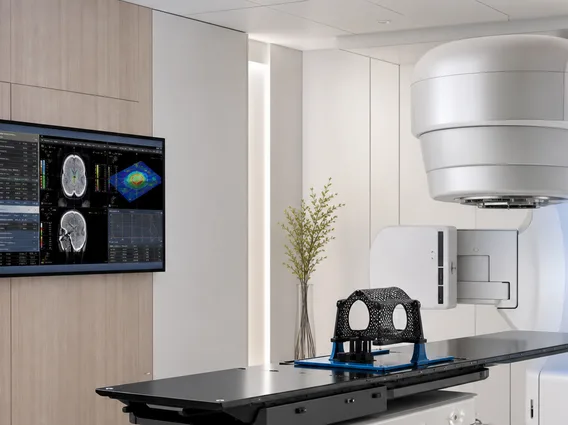
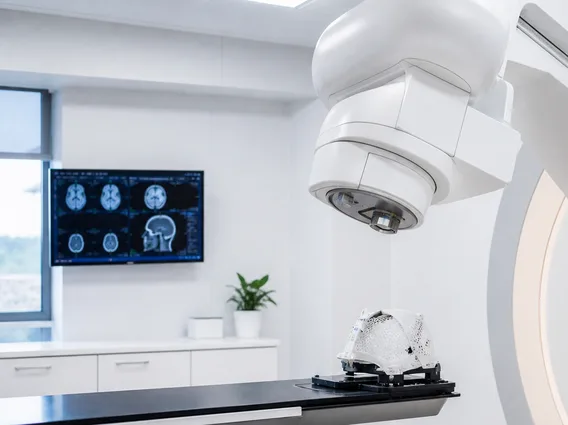
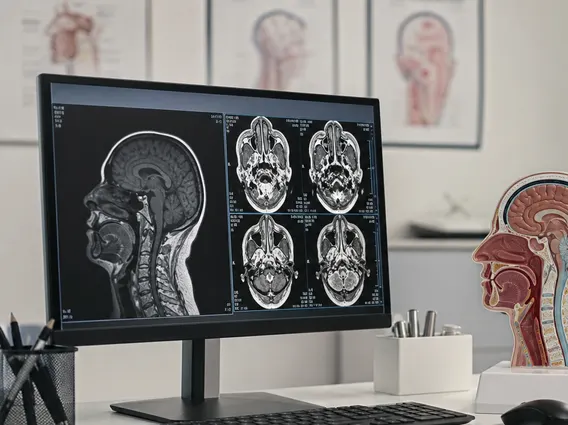
The process of SABR treatment is meticulously planned and executed to ensure maximum efficacy and safety. It begins with detailed imaging, typically involving a CT scan, often combined with MRI or PET scans, to precisely map the tumor’s location and its relationship to surrounding organs. During these scans, patients are often fitted with custom immobilization devices to ensure they remain perfectly still during both planning and treatment sessions.
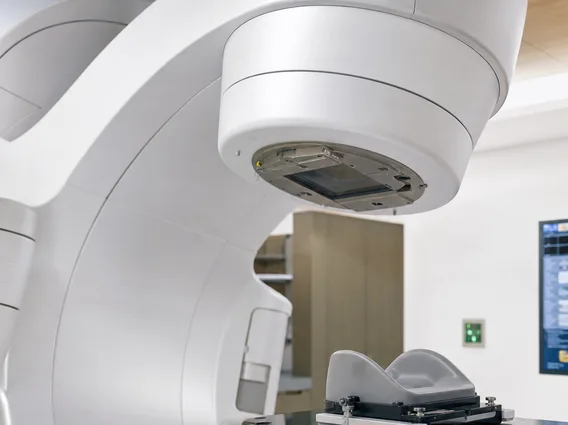
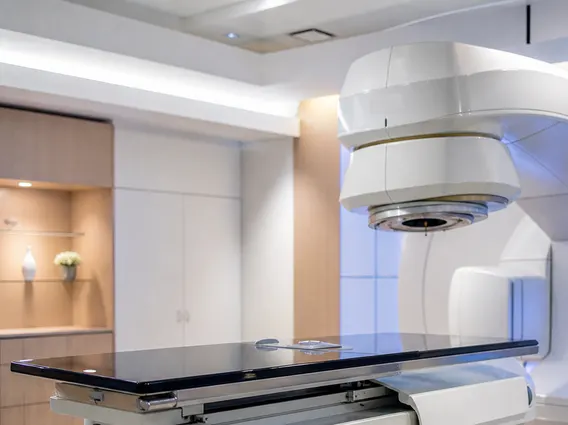
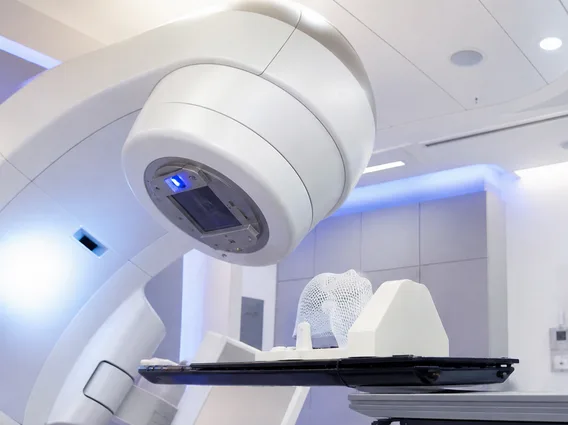
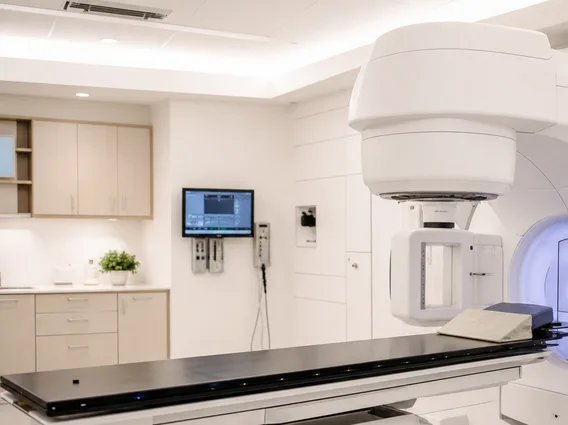
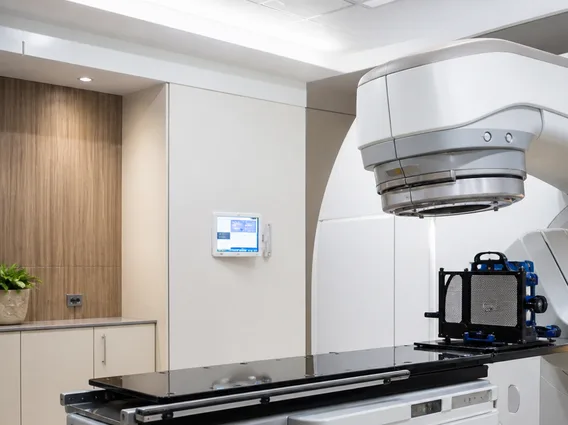
Following imaging, a multidisciplinary team, including radiation oncologists, medical physicists, and dosimetrists, develops a personalized treatment plan. This involves sophisticated computer software to determine the optimal radiation dose distribution, ensuring the tumor receives the prescribed high dose while healthy tissues are spared as much as possible. The actual treatment is delivered using a linear accelerator, which precisely targets the tumor with high-energy X-rays. Image guidance, such as daily CT scans, is used before each treatment fraction to verify tumor position and patient alignment, making real-time adjustments if necessary.
Stereotactic body radiation therapy benefits are numerous, making it a valuable option for many cancer patients. These benefits include:
- High Local Control Rates: SABR has demonstrated excellent rates of local tumor control, often comparable to surgery for certain early-stage cancers.
- Shorter Treatment Course: Patients typically undergo only 1 to 5 treatment sessions, significantly reducing the overall treatment time compared to conventional radiation, which can last for weeks.
- Non-Invasive Nature: As a non-surgical procedure, SABR avoids the risks associated with surgery, such as infection, bleeding, and prolonged recovery.
- Reduced Toxicity: The precision of SABR allows for minimal radiation exposure to healthy tissues and organs, potentially leading to fewer and less severe side effects.
- Outpatient Procedure: Treatments are generally performed on an outpatient basis, allowing patients to maintain their daily routines with minimal disruption.
Potential SABR Side Effects and Recovery
While SABR is designed to be highly precise and minimize harm to healthy tissues, patients may still experience some side effects, which are generally localized and temporary. The specific side effects depend largely on the treated area of the body. For instance, treatment to the lung might cause a temporary cough or shortness of breath, while treatment to the liver could lead to nausea or fatigue. Spinal treatments might result in localized pain or temporary nerve irritation.
Common general side effects across various treatment sites can include mild fatigue and skin irritation in the treated area, similar to a sunburn. These effects typically begin a few days after treatment and gradually subside over several weeks. Most patients find these side effects manageable with supportive care, and they rarely interfere significantly with daily activities. Recovery from SABR is often swift, with many individuals able to return to their normal routines shortly after completing their treatment course. Regular follow-up appointments with the oncology team are crucial to monitor recovery, assess treatment effectiveness, and manage any lingering or delayed side effects.