
Radioembolization
Radioembolization is an advanced, minimally invasive procedure used primarily in the treatment of certain liver cancers. It delivers radiation directly to tumor cells while minimizing exposure to healthy tissue.
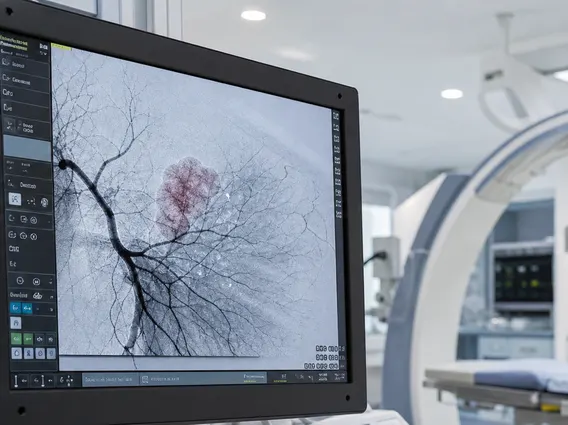
Key Takeaways
- Radioembolization is a targeted internal radiation therapy for liver tumors.
- The procedure involves injecting tiny radioactive beads (microspheres) into the arteries supplying the tumor.
- These microspheres emit radiation that destroys cancer cells from within.
- It is often used for primary liver cancer or cancers that have spread to the liver.
- Common side effects are generally manageable and include fatigue, nausea, and abdominal discomfort.
What is Radioembolization?
Radioembolization refers to a type of internal radiation therapy, also known as selective internal radiation therapy (SIRT), specifically designed to treat liver tumors. This innovative approach involves delivering microscopic beads, called microspheres, that contain a radioactive isotope (typically Yttrium-90) directly to the blood vessels feeding the tumor. The liver is unique in that tumors primarily receive their blood supply from the hepatic artery, while healthy liver tissue receives most of its blood from the portal vein. This physiological difference allows for a highly targeted delivery of radiation.
The goal of Radioembolization is to maximize the radiation dose to the tumor while sparing the surrounding healthy liver tissue. It is a palliative or bridge-to-transplant treatment for unresectable hepatocellular carcinoma (HCC), which is the most common type of primary liver cancer, and also for metastatic colorectal cancer that has spread to the liver. According to the World Health Organization (WHO), liver cancer is a significant global health concern, and treatments like radioembolization offer important options for patients.
The Radioembolization Procedure Explained
The process of Radioembolization involves several key steps, beginning with a thorough evaluation and planning phase. Before the actual treatment, patients undergo a diagnostic angiography to map the blood vessels of the liver and identify the specific arteries supplying the tumor. During this mapping procedure, a small amount of a non-radioactive substance is often injected to simulate the flow of the radioactive microspheres and ensure they will reach the tumor effectively without flowing into other organs, such as the lungs or gastrointestinal tract. This helps to prevent potential complications and optimize treatment delivery.
On the day of the procedure, a physician, typically an interventional radiologist, inserts a catheter into an artery in the groin, guiding it through the bloodstream to the hepatic artery that feeds the liver tumor. Once the catheter is correctly positioned, the tiny microspheres containing Yttrium-90 are slowly injected. These microspheres travel with the blood flow directly into the tumor’s blood vessels, where they become lodged due to their size. Once embedded within the tumor, the Yttrium-90 microspheres emit high-energy beta radiation, which penetrates only a few millimeters, effectively destroying the cancer cells while minimizing damage to adjacent healthy liver tissue. This is precisely how does radioembolization work to target and eliminate cancerous cells.
The entire radioembolization procedure explained typically takes about 1-2 hours, and patients usually remain in the hospital for a short observation period. The radiation from the Yttrium-90 microspheres decays over approximately two weeks, delivering a continuous, localized dose of radiation to the tumor.
Radioembolization Side Effects
While Radioembolization is generally well-tolerated, patients may experience certain radioembolization side effects. These side effects are usually temporary and manageable. The most common reactions are often referred to as “post-embolization syndrome,” which can include:
- Fatigue: A feeling of tiredness or lack of energy, which can last for several days to weeks.
- Nausea and Vomiting: These symptoms can often be managed with anti-nausea medications.
- Abdominal Pain or Discomfort: Mild to moderate pain in the upper right abdomen, which typically subsides within a few days.
- Fever: A low-grade fever may occur, usually resolving within 24-48 hours.
- Loss of Appetite: Some patients may experience a temporary reduction in appetite.
Less common but more serious side effects can include inflammation of the liver (radiation-induced liver disease), gallbladder inflammation, or, rarely, damage to other organs if microspheres migrate outside the liver. However, the pre-treatment mapping helps to significantly reduce these risks. Patients are closely monitored after the procedure, and any side effects are managed with supportive care and medication. It is crucial for patients to communicate any symptoms they experience to their healthcare team.



















