Epigastric
The epigastric region is a crucial anatomical area in the upper abdomen, often associated with various digestive and systemic conditions. Understanding this region is key to interpreting symptoms related to common ailments.
Key Takeaways
- The epigastric region is the central upper part of the abdomen, located just below the sternum.
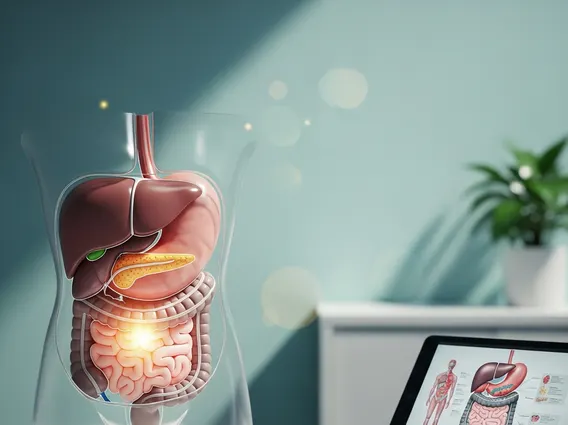
- It houses vital organs such as the stomach, parts of the liver, pancreas, and duodenum.
- Common causes of pain in this area include indigestion, GERD, gastritis, and peptic ulcers.
- Symptoms of epigastric discomfort can range from burning and gnawing sensations to bloating and nausea.
- Persistent or severe epigastric symptoms warrant medical evaluation to determine the underlying cause.
What is the Epigastric Region?
The Epigastric region refers to the upper central area of the abdomen, situated between the costal margins (rib cage) and the subcostal plane, which typically passes through the lowest part of the tenth costal cartilage. It is located superior to the umbilical region and inferior to the xiphoid process of the sternum. This anatomical positioning makes it a focal point for symptoms originating from several important internal organs.
Functionally, the epigastric area explained often involves the stomach, the first part of the duodenum, a portion of the liver, and the pancreas. Due to the proximity of these organs, pain or discomfort in this region can be indicative of conditions affecting any of them. Understanding its precise location is fundamental for healthcare professionals to accurately diagnose and treat a wide range of gastrointestinal and other medical issues.
Common Causes of Epigastric Pain
Epigastric pain can stem from numerous conditions, ranging from benign to more serious medical concerns. Identifying the specific cause is crucial for effective treatment. Here are some common causes of epigastric pain:
- Gastroesophageal Reflux Disease (GERD): Stomach acid flows back into the esophagus, causing a burning sensation.
- Gastritis: Inflammation of the stomach lining, often leading to a gnawing or burning pain.
- Peptic Ulcers: Open sores that develop on the lining of the stomach, small intestine, or esophagus, causing a sharp, burning pain.
- Indigestion (Dyspepsia): A common condition characterized by discomfort or pain in the upper abdomen, often accompanied by bloating, fullness, or nausea.
- Pancreatitis: Inflammation of the pancreas, which can cause severe, radiating pain in the epigastric region, often extending to the back.
- Gallstones: Hardened deposits that form in the gallbladder, potentially causing sudden, intense pain, especially after fatty meals.
Less common but serious causes can include heart conditions (referred pain), liver disease, or certain types of abdominal cancers. Persistent or severe epigastric pain should always prompt a medical consultation.
Recognizing Epigastric Discomfort Symptoms
Recognizing epigastric discomfort symptoms is vital for timely intervention and diagnosis. While pain is a primary symptom, discomfort can manifest in various ways, indicating different underlying conditions. These symptoms often provide clues about the nature and severity of the issue.
Typical symptoms of epigastric discomfort include a sensation of fullness or bloating in the upper abdomen, a burning or gnawing feeling that may worsen between meals or at night, and nausea or occasional vomiting. Some individuals might experience belching, heartburn, or a feeling of early satiety (feeling full after eating only a small amount). If these symptoms are accompanied by weight loss, difficulty swallowing, black or tarry stools, or persistent vomiting, it is imperative to seek immediate medical attention, as these could indicate more serious conditions requiring urgent evaluation.