Epidermis
The epidermis is the outermost layer of the skin, serving as the body’s primary protective barrier against environmental threats, pathogens, and water loss. This vital tissue is continuously renewing itself, playing a crucial role in maintaining overall health and integrity.
Key Takeaways
- The Epidermis is the outermost protective layer of the skin, forming a crucial barrier.
- It is primarily composed of keratinocytes, which produce keratin, a protective protein.
- The Epidermis consists of distinct layers, each with specialized functions, from cell generation to shedding.
- It helps regulate body temperature, prevents dehydration, and protects against UV radiation and pathogens.
- This layer undergoes continuous renewal, with cells migrating from deeper layers to the surface.
What is the Epidermis?
The Epidermis is the superficial layer of the skin, acting as the body’s first line of defense. It is a stratified squamous epithelium, meaning it is composed of multiple layers of flattened cells. This dynamic tissue is devoid of blood vessels, receiving its nourishment from the underlying dermis. Its primary function is to create a robust barrier that shields the body from physical damage, chemical irritants, ultraviolet (UV) radiation, and microbial invasion, while also preventing excessive water loss. Understanding what is the epidermis reveals its critical role in maintaining homeostasis and protecting internal organs.
The Epidermis is predominantly made up of cells called keratinocytes, which originate in the deepest layer and migrate upwards, undergoing a process of differentiation and keratinization. As they move towards the surface, these cells flatten and fill with keratin, a tough, fibrous protein that provides structural integrity and waterproofing properties to the skin. This continuous turnover ensures that damaged or dead cells are regularly replaced, contributing to the skin’s remarkable resilience and regenerative capacity. For instance, the human epidermis typically renews itself completely every 28 to 40 days, a testament to its constant protective activity.
Epidermis Layers: Structure and Functions
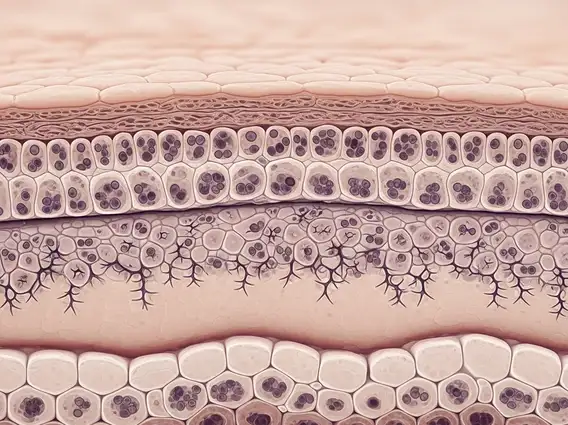
The human epidermis structure is complex, comprising five distinct layers in most parts of the body, particularly in thick skin like the palms and soles. In thinner skin, the stratum lucidum may be absent. Each layer, or stratum, plays a specific role in the overall function of the skin barrier. These epidermis layers and functions work in concert to provide comprehensive protection and support.
Here are the layers of the Epidermis, from deepest to most superficial:
- Stratum Basale (Basal Layer): This is the deepest layer, composed of a single row of cuboidal or columnar cells. It contains keratinocyte stem cells that continuously divide to produce new keratinocytes. Melanocytes, which produce melanin (the pigment responsible for skin color and UV protection), and Merkel cells, involved in touch sensation, are also found here.
- Stratum Spinosum (Prickly Layer): Above the basal layer, this stratum consists of several layers of polyhedral cells. Keratinocytes in this layer begin to produce keratin and are connected by desmosomes, giving them a “spiny” appearance under a microscope. Langerhans cells, which are immune cells, are also prevalent here, playing a role in skin immunity.
- Stratum Granulosum (Granular Layer): This layer is typically 3-5 cell layers thick. Keratinocytes here become flatter and contain prominent granules: keratohyalin granules (involved in keratin formation) and lamellar granules (which release a lipid-rich secretion that helps waterproof the skin). Cells in this layer begin to die as they move further from the blood supply.
- Stratum Lucidum (Clear Layer): Found only in thick skin (palms and soles), this thin, clear layer consists of several rows of flattened, dead keratinocytes that are densely packed with eleidin, an intermediate product in keratin formation.
- Stratum Corneum (Horny Layer): The outermost layer, composed of 20-30 layers of flattened, dead keratinocytes called corneocytes. These cells are essentially sacs of keratin, surrounded by a lipid matrix, creating a tough, protective, and water-resistant barrier. This layer is continuously shed and replaced, representing a key aspect of epidermis skin facts related to regeneration.
The coordinated activities within these layers ensure the skin’s ability to protect the body from environmental stressors, regulate temperature, and prevent dehydration, highlighting the intricate design of the epidermis.