Respiratory System
The respiratory system is a vital biological system responsible for gas exchange, enabling the body to take in oxygen and expel carbon dioxide. This intricate network of organs and tissues ensures that every cell receives the oxygen it needs to function.
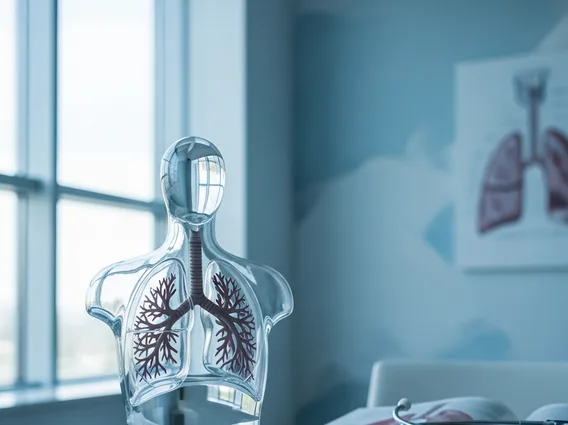
Key Takeaways
- The respiratory system is primarily responsible for gas exchange, supplying oxygen to the blood and removing carbon dioxide.
- It comprises both upper and lower airways, including the nose, pharynx, larynx, trachea, bronchi, and lungs.
- Breathing involves two main processes: inhalation, which brings air into the lungs, and exhalation, which expels waste gases.
- Beyond gas exchange, the system also plays roles in vocalization, olfaction, and regulating blood pH.
- Maintaining respiratory health is crucial for overall bodily function and preventing various diseases.
What is the Respiratory System?
The Respiratory System refers to the complex biological system that facilitates the exchange of gases between the body and the external environment. Its primary function is to deliver oxygen to the bloodstream and remove carbon dioxide, a waste product of cellular metabolism. This continuous process is essential for sustaining life, as oxygen is required for energy production in cells, and carbon dioxide accumulation can be toxic.
This system works in close coordination with the cardiovascular system, where the lungs act as the interface for gas transfer. According to the World Health Organization (WHO), respiratory diseases are among the leading causes of death and disability globally, highlighting the critical importance of understanding and maintaining respiratory health.
Anatomy: Parts of the Human Respiratory System
The human respiratory system is divided into two main parts: the upper respiratory tract and the lower respiratory tract. Each part contains specific organs that work together to ensure efficient breathing and gas exchange. Understanding these components is key to comprehending how air travels through the body.
The main parts of the human respiratory system include:
- Nose and Nasal Cavity: The entry point for air, where it is warmed, humidified, and filtered by hairs and mucus.
- Pharynx (Throat): A shared pathway for air and food, connecting the nasal cavity and mouth to the larynx and esophagus.
- Larynx (Voice Box): Contains the vocal cords and prevents food from entering the trachea during swallowing.
- Trachea (Windpipe): A tube that extends from the larynx and branches into the bronchi, providing a clear airway to the lungs.
- Bronchi and Bronchioles: The trachea divides into two main bronchi, which further branch into smaller bronchioles, leading air deeper into the lungs.
- Lungs: The primary organs of respiration, containing millions of tiny air sacs called alveoli where gas exchange occurs.
- Diaphragm: A large, dome-shaped muscle located at the base of the lungs, crucial for the mechanics of breathing.
Physiology: How the Respiratory System Works and Its Functions
The process of respiration involves two main phases: inhalation (breathing in) and exhalation (breathing out). During inhalation, the diaphragm contracts and flattens, while the intercostal muscles pull the rib cage upward and outward. This increases the volume of the chest cavity, causing air pressure inside the lungs to drop below atmospheric pressure, drawing air into the lungs. Conversely, during exhalation, the diaphragm relaxes and moves upward, and the intercostal muscles relax, decreasing the chest cavity volume and expelling air.
The functions of the respiratory system extend beyond simple gas exchange. While its primary role is to facilitate the intake of oxygen and the release of carbon dioxide, it also contributes to several other vital bodily processes. These include:
- Gas Exchange: The most critical function, occurring in the alveoli where oxygen diffuses into the blood and carbon dioxide diffuses out.
- Regulation of Blood pH: By controlling the amount of carbon dioxide expelled, the respiratory system helps maintain the acid-base balance of the blood.
- Vocalization: Air passing through the larynx vibrates the vocal cords, producing sound for speech.
- Olfaction (Sense of Smell): Air carries odor molecules to specialized receptors in the nasal cavity.
- Protection: Filtering mechanisms in the airways protect the body from inhaled irritants and pathogens.
This intricate interplay of anatomical structures and physiological processes ensures that the body continuously receives the oxygen it needs while efficiently eliminating waste products, maintaining overall health and homeostasis.