Pump
A Pump, in a medical context, refers to a specialized device designed to facilitate the movement of fluids, deliver medications, or support physiological functions within the body. These essential medical technologies play a crucial role in managing various chronic conditions and supporting critical care.
Key Takeaways
- Medical pumps are devices that move fluids or deliver medications, crucial for patient care.
- They operate by creating pressure differentials to control fluid flow, utilizing principles like positive displacement or peristalsis.
- Key types include infusion pumps for medication delivery, implantable pumps for long-term drug administration, and cardiac assist devices for heart support.
- Applications range from managing diabetes and chronic pain to supporting patients with heart failure.
- Understanding their basic mechanics is vital for effective therapeutic use and patient safety.
What is a Pump and How Does It Work?
A medical pump is an electromechanical or mechanical device engineered to move liquids, such as medications, nutrients, or blood, in a controlled manner. These devices are fundamental in modern healthcare, providing precise and continuous delivery that would be impractical or impossible through manual methods. Their operation relies on fundamental fluid dynamics, creating pressure gradients to initiate and maintain flow.
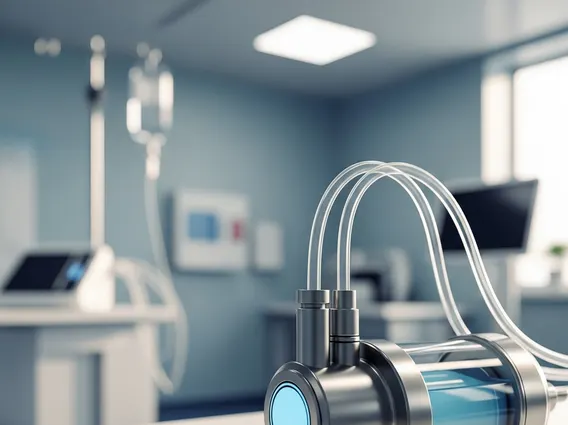
Medical pumps move liquids by generating a pressure difference between an inlet and an outlet. This is typically achieved through various mechanisms, including positive displacement or peristaltic action. In positive displacement pumps, a fixed volume of fluid is trapped and then forced out, ensuring consistent delivery regardless of downstream pressure changes. Peristaltic pumps, common in infusion therapy, use rollers to compress a flexible tube, creating a wave-like motion that propels the fluid forward. This controlled movement allows for accurate dosing and steady flow rates, critical for patient safety and therapeutic efficacy.
The basic principles of pumps revolve around the concepts of pressure, flow rate, and volume. Pumps work by converting mechanical or electrical energy into hydraulic energy, increasing the pressure of the fluid to overcome resistance in the delivery system, such as tubing or physiological pressures. The flow rate, or the volume of fluid moved per unit of time, is precisely controlled by the pump’s mechanism and settings. Modern medical pumps often incorporate sophisticated sensors and microprocessors to monitor and adjust these parameters, ensuring accuracy and alerting healthcare providers to potential issues like occlusions or air in the line. Many are battery-powered, allowing for patient mobility while maintaining continuous therapy.
Types of Pumps and Their Applications
The diversity of medical pumps reflects the wide range of clinical needs they address. Each type is designed with specific applications in mind, optimizing for factors such as precision, portability, and the nature of the fluid being delivered. These devices are integral to managing chronic diseases, providing acute care, and supporting vital organ functions.
Here are some common types of medical pumps and their primary applications:
- Infusion Pumps: Widely used in hospitals and home care, these pumps deliver fluids, nutrients, and medications (like antibiotics, chemotherapy drugs, or pain relievers) intravenously or subcutaneously. They ensure accurate dosing and controlled delivery rates.
- Insulin Pumps: Specifically designed for individuals with diabetes, these small, wearable devices deliver continuous doses of insulin throughout the day, mimicking the body’s natural insulin release. According to the CDC, in 2020, 37.3 million Americans—about 1 in 10—have diabetes, highlighting the broad need for such devices.
- Implantable Drug Delivery Pumps: Surgically placed under the skin, these pumps deliver medication directly to a specific site, such as the spinal cord for chronic pain management or into the peritoneal cavity for chemotherapy. They reduce systemic side effects and improve drug efficacy.
- Ventricular Assist Devices (VADs): These mechanical circulatory support devices are used to help the heart pump blood in patients with advanced heart failure. The American Heart Association reports that heart failure affects more than 6.2 million adults in the United States, making VADs a critical intervention for many.
- Enteral Feeding Pumps: Used to deliver liquid nutrition directly into the stomach or small intestine for patients unable to consume food orally.
The selection of a specific pump depends on the patient’s condition, the type of medication or fluid, the required delivery rate, and the duration of therapy. Advances in pump technology continue to enhance patient safety, improve treatment outcomes, and increase the quality of life for individuals requiring ongoing medical support.