Proctoscope
A proctoscope is a medical instrument used for examining the rectum and anus. This article will delve into its function, common uses, and what to expect during a proctoscopy procedure.
Key Takeaways
- A Proctoscope is a short, rigid, tubular instrument designed for direct visualization of the anal canal and rectum.
- It is primarily used to diagnose conditions such as hemorrhoids, anal fissures, polyps, and sources of rectal bleeding.
- The examination, known as a proctoscopy, is a quick procedure typically performed in a clinic setting.
- Preparation usually involves a small enema to ensure a clear view of the lower bowel.
- The procedure allows healthcare providers to identify abnormalities in the lining of the lower rectum and anal canal.
What is a Proctoscope?
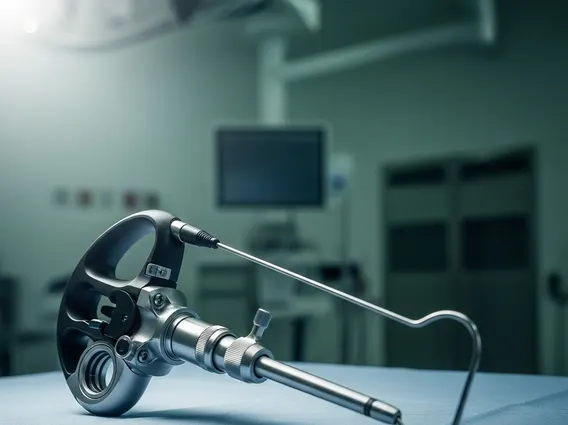
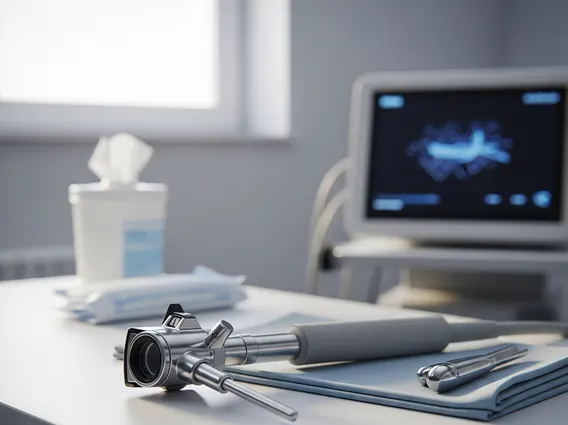
A Proctoscope is a medical instrument consisting of a short, rigid, tubular speculum, often equipped with a light source and a magnifying lens. It is specifically designed for the direct visual examination of the anal canal and rectum. This instrument allows healthcare professionals to gain a clear, illuminated view of the internal structures of these areas, which are otherwise difficult to assess.
The instrument works by being gently inserted into the anus, allowing the physician to visualize the internal structures. The built-in light illuminates the area, while the tube holds the anal canal open, providing a clear view of the rectal lining and anal canal walls. This direct visualization is crucial for identifying various conditions and guiding potential interventions.
What is a Proctoscope Used For?
A Proctoscope is primarily used to diagnose and sometimes treat conditions affecting the anus and lower rectum. The proctoscope examination purpose is to allow a healthcare provider to visually inspect these areas for abnormalities that might not be detectable through external examination alone. This direct observation is vital for accurate diagnosis and appropriate treatment planning.
Common conditions for which a Proctoscope is used include:
- Identifying and assessing hemorrhoids (internal and external).
- Diagnosing anal fissures, which are small tears in the anal lining.
- Detecting rectal polyps, which are growths on the lining of the rectum that may require further investigation.
- Investigating inflammation or infection within the anal canal or rectum.
- Pinpointing the source of unexplained rectal bleeding.
- Removing small foreign bodies from the rectum.
Performing a Proctoscopy: The Procedure
The proctoscope procedure explained involves several straightforward steps, typically performed in an outpatient clinic setting. Patients are usually asked to perform a small enema a few hours before the procedure to clear the lower rectum, ensuring a clear field of view for the physician.
During the examination, the patient is typically positioned on their side with knees drawn towards the chest or in a knee-chest position. The physician then lubricates the Proctoscope and gently inserts it into the anus. Once inserted, the instrument is slowly advanced, allowing the physician to systematically examine the anal canal and rectum for any abnormalities. If necessary, small tissue samples (biopsies) can be taken, or minor procedures, such as banding of hemorrhoids, can be performed through the scope.
The procedure is generally quick, often lasting only a few minutes, and is usually well-tolerated. Patients can typically resume their normal activities immediately after the proctoscopy, although some may experience mild discomfort or light spotting for a short period.