Dental Implant
A dental implant is a sophisticated medical device designed to replace missing tooth roots, providing a strong foundation for artificial teeth that look, feel, and function like natural teeth. This permanent solution offers significant advantages over traditional tooth replacement options, enhancing both oral health and quality of life.
Key Takeaways
- Dental implants are titanium posts surgically placed into the jawbone to replace missing tooth roots.
- They provide a durable and long-lasting foundation for artificial teeth, restoring function and aesthetics.
- The dental implant procedure steps typically involve surgical placement, a healing period for osseointegration, and attachment of a custom crown.
- Key dental implants pros and cons include high success rates and improved chewing ability versus potential surgical risks and cost.
- Dental implant recovery time varies but generally involves several months for complete healing and integration.
What is a Dental Implant?
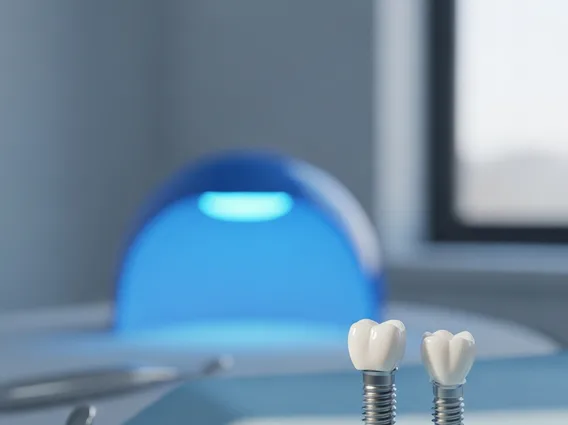
A Dental Implant refers to a small, screw-shaped post, typically made of titanium, that is surgically positioned into the jawbone beneath the gum line. These implants serve as artificial tooth roots, providing a stable base for a replacement tooth or bridge. The unique property of titanium allows it to fuse directly with the bone in a process called osseointegration, ensuring a secure and long-lasting foundation. Dental implants are a popular and effective solution for individuals who have lost one or more teeth due to periodontal disease, injury, or other reasons.
The primary goal of dental implants is to restore both the function and aesthetics of a natural tooth. Unlike removable dentures, dental implants do not slip or shift, offering superior comfort and confidence when eating and speaking. They also help preserve jawbone health, as the implant stimulates the bone, preventing the bone loss that often occurs after tooth extraction. According to the American Academy of Implant Dentistry (AAID), dental implants boast a success rate of up to 98%, making them a highly reliable option for tooth replacement.
Dental Implant Procedure, Benefits, and Recovery
The journey to a restored smile with dental implants involves several distinct dental implant procedure steps, tailored to each patient’s specific needs. Initially, a comprehensive dental examination, including X-rays and 3D imaging, is performed to assess bone quality and plan the implant placement. The first surgical step involves placing the titanium implant post into the jawbone. This is followed by a crucial healing period, typically 3 to 6 months, during which osseointegration occurs, allowing the implant to fuse with the bone. Once stable, an abutment (a small connector post) is attached to the implant, and finally, a custom-made crown, bridge, or denture is secured to the abutment, completing the restoration.
Considering dental implants pros and cons is essential for prospective patients. The benefits are numerous, including improved oral health, enhanced chewing ability, preservation of natural tooth structure (as adjacent teeth are not altered), and a significant boost in self-confidence due to a natural-looking and feeling restoration. Implants are also incredibly durable and, with proper care, can last a lifetime. However, potential drawbacks include the surgical nature of the procedure, which carries minimal risks like infection or nerve damage, and the higher initial cost compared to other tooth replacement options. The overall success rate and long-term benefits often outweigh these considerations for many individuals.
The dental implant recovery time varies depending on the individual, the number of implants placed, and the complexity of the procedure. Immediately after surgery, patients may experience some swelling, bruising, minor bleeding, and discomfort, which can typically be managed with prescribed pain medication. Soft foods are recommended for a few days. The most significant part of recovery involves the osseointegration period, which can take several months. During this time, it is crucial to maintain excellent oral hygiene and follow all post-operative instructions from the dental professional to ensure successful healing and integration of the implant with the jawbone. Regular follow-up appointments are also vital to monitor progress and ensure the long-term success of the dental implant.