Cytosine
Cytosine is a fundamental component of genetic material, playing a crucial role in the storage and expression of genetic information within living organisms. As one of the four primary nucleobases found in DNA and RNA, its unique chemical properties are essential for life.
Key Takeaways
- Cytosine is a pyrimidine nucleobase, a fundamental building block of DNA and RNA.
- It forms a specific base pair with Guanine through three hydrogen bonds.
- This specific base pairing is vital for the accurate replication and transcription of genetic information.
- In DNA, Cytosine is part of the double helix structure, while in RNA, it contributes to various RNA structures and functions.
- Modifications to Cytosine, such as methylation, are important in gene regulation.
What is Cytosine?
Cytosine is a pyrimidine nucleobase, a nitrogen-containing compound that serves as one of the four fundamental building blocks of nucleic acids, specifically deoxyribonucleic acid (DNA) and ribonucleic acid (RNA). Its chemical formula is C4H5N3O. In the context of genetics and molecular biology, Cytosine is indispensable for encoding genetic information, facilitating its accurate transmission and expression across generations and within individual cells. It is characterized by a heterocyclic aromatic ring containing nitrogen atoms, which allows it to participate in hydrogen bonding, a critical feature for its biological functions.
Cytosine Structure, Function, and Base Pairing
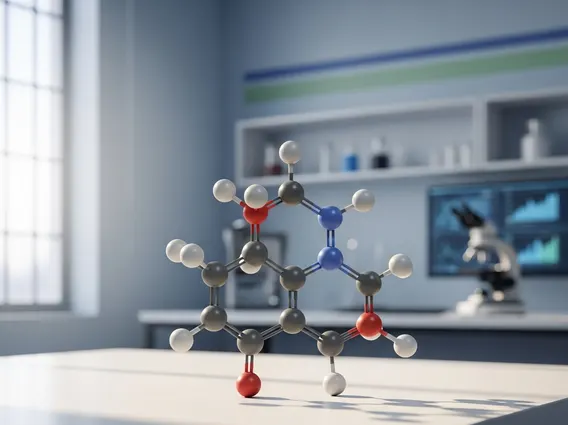
The cytosine structure and function are intrinsically linked to its role in genetic material. Structurally, Cytosine consists of a single six-membered ring containing two nitrogen atoms and two carbonyl groups, classifying it as a pyrimidine. This specific arrangement of atoms allows Cytosine to form highly stable interactions. A key aspect of its function is its participation in cytosine base pairing. In DNA, Cytosine exclusively pairs with Guanine (G) through three hydrogen bonds: one between the amino group of Cytosine and the carbonyl oxygen of Guanine, another between the carbonyl oxygen of Cytosine and the amino group of Guanine, and a third between the nitrogen atom of Cytosine and the amino group of Guanine. This specific C-G pairing is stronger than the A-T pairing (which involves two hydrogen bonds) due to the additional bond, contributing to the stability of the DNA double helix. This precise pairing mechanism is fundamental for maintaining the integrity of genetic information during DNA replication and transcription.
- Key features of Cytosine’s structure:
- Pyrimidine base with a single six-membered ring.
- Contains nitrogen atoms and carbonyl groups.
- Enables specific hydrogen bonding.
- Base pairing specifics:
- Pairs exclusively with Guanine (G).
- Forms three hydrogen bonds (C≡G).
- Crucial for DNA stability and genetic fidelity.
Cytosine’s Role in DNA and RNA
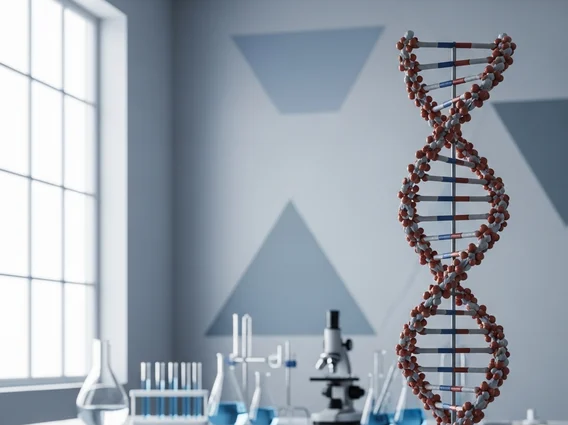
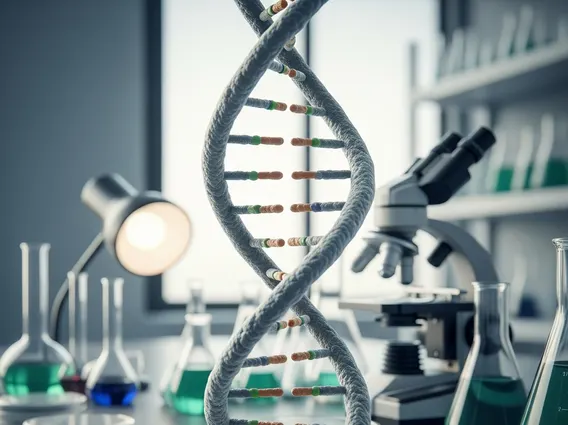
The presence of cytosine in DNA and RNA is central to their respective biological functions. In DNA, Cytosine is one of the four nucleobases (Adenine, Guanine, Cytosine, and Thymine) that form the “rungs” of the double helix ladder. Its specific pairing with Guanine ensures the accurate replication of DNA, where each strand serves as a template for a new complementary strand. This fidelity is crucial for preventing mutations and maintaining genetic stability. Beyond its structural role, Cytosine can undergo methylation, a biochemical process where a methyl group is added to the fifth carbon atom of the Cytosine ring, primarily when followed by a Guanine (CpG site). This epigenetic modification plays a significant role in gene regulation, influencing gene expression without altering the underlying DNA sequence. In RNA, Cytosine is also present alongside Adenine, Guanine, and Uracil (which replaces Thymine). It contributes to the formation of various RNA structures, including messenger RNA (mRNA), transfer RNA (tRNA), and ribosomal RNA (rRNA), all of which are vital for protein synthesis and other cellular processes. The ability of Cytosine to form base pairs with Guanine is equally important in RNA, contributing to the folding of RNA molecules into complex three-dimensional structures necessary for their diverse functions.