Colostomy Irrigation
Colostomy irrigation is a management technique used by individuals with a colostomy to regulate bowel movements and achieve a predictable emptying pattern. This procedure involves flushing the colon with water, promoting a controlled evacuation of stool.
Key Takeaways
- Colostomy irrigation is a method to manage bowel movements for individuals with a colostomy.
- It involves introducing water into the colon through the stoma to stimulate emptying.
- The primary goal is to achieve predictable bowel movements, often allowing for extended periods without stool output.
- Benefits include improved quality of life, reduced need for traditional ostomy pouches, and enhanced confidence.
- The procedure requires proper training and adherence to a specific step-by-step guide for safe and effective use.
What is Colostomy Irrigation?
Colostomy Irrigation refers to a procedure where water is introduced into the colon through a colostomy stoma to stimulate a bowel movement. This technique is primarily used by individuals with a descending or sigmoid colostomy to establish a regular pattern of bowel emptying. The goal is to achieve continent-like bowel function, where stool is evacuated at a scheduled time, often once every 24 to 48 hours. By regularly flushing the colon, individuals can prevent unpredictable stool output, gas, and odor, leading to greater control and improved quality of life.
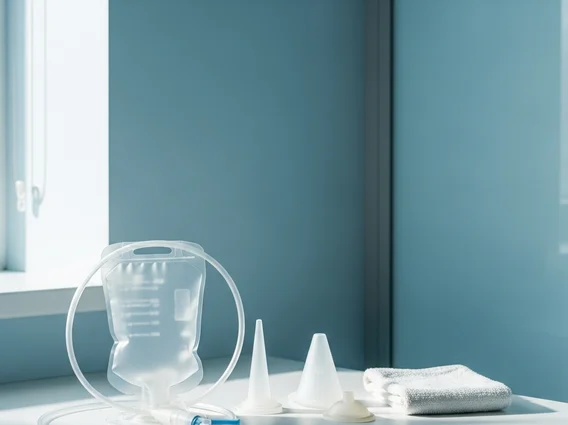
The process helps to empty the lower part of the colon, allowing the individual to wear a smaller, less noticeable stoma cover or a mini-pouch for the rest of the day, rather than a full-size ostomy bag. This method requires specific equipment, including an irrigation bag with a cone, water, and a sleeve to collect the output. It is a learned skill, and proper instruction from a healthcare professional, such as an ostomy nurse, is crucial for safe and effective practice.
How to do Colostomy Irrigation
Performing Colostomy Irrigation involves a series of steps to ensure safety and effectiveness. This colostomy irrigation step by step guide outlines the general procedure, but it is essential to receive personalized training from a healthcare professional.
- Gather Equipment: Collect all necessary items, including the irrigation bag, tubing, cone, water (usually lukewarm, about 500-1000 ml), a stoma sleeve or irrigation bag, and a stoma appliance or cap for after the procedure.
- Prepare the Area: Choose a comfortable and private location, typically in the bathroom, where you can sit on a toilet or a chair next to it. Hang the irrigation bag at shoulder height, ensuring the bottom of the bag is about 18-24 inches (45-60 cm) above the stoma.
- Prepare the Stoma: Remove your current ostomy pouch. Clean the skin around the stoma gently with water and mild soap, then pat dry.
- Insert the Cone: Lubricate the tip of the irrigation cone. Gently insert the cone into the stoma, just enough to create a seal. Do not force it.
- Introduce Water: Open the clamp on the tubing to allow water to flow slowly into the colon. The water should flow in gradually, taking about 5-10 minutes. If cramping occurs, temporarily clamp the tubing until the discomfort subsides, then resume.
- Remove the Cone and Collect Output: Once all the water has entered or you feel full, remove the cone. Immediately place the irrigation sleeve or bag over the stoma to collect the stool and water output. This process, known as “take-down,” can last 30-60 minutes as the bowel empties.
- Clean and Apply Appliance: After the bowel has finished emptying, remove the irrigation sleeve, clean the stoma and surrounding skin, and apply a fresh stoma cap or a small, closed-end pouch.
Consistency in timing and technique is key to establishing a predictable bowel routine. Any changes in stool consistency or frequency should be discussed with a healthcare provider.
Advantages of Colostomy Irrigation
The benefits of colostomy irrigation can significantly enhance the quality of life for many individuals with a colostomy. One of the primary advantages is the ability to achieve predictable bowel movements. By irrigating at a consistent time each day or every other day, individuals can largely control when their bowel empties, leading to greater confidence and freedom in daily activities.
Furthermore, this method often reduces the need to wear a traditional, full-sized ostomy pouch throughout the day. Many users can opt for a smaller stoma cap or mini-pouch, which is less noticeable under clothing and can contribute to a greater sense of discretion and body image satisfaction. The reduction in unpredictable output also minimizes concerns about odor and gas, allowing individuals to participate more fully in social and professional settings without anxiety. This increased control and reduced appliance dependency can lead to improved self-esteem and a more active lifestyle, ultimately fostering a better overall quality of life.