Chromosome 7
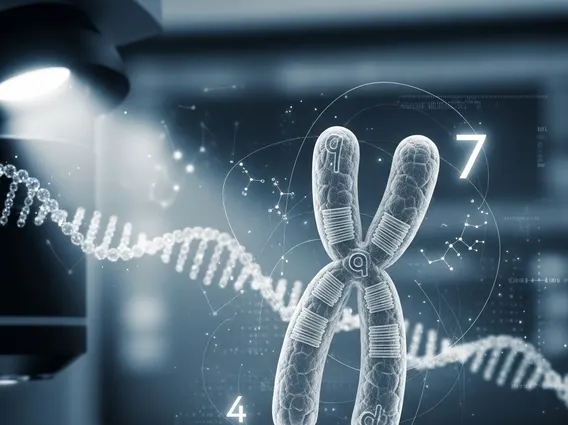
Chromosome 7 is one of the 23 pairs of chromosomes in humans, playing a crucial role in our genetic makeup and overall health. It contains a significant number of genes vital for various bodily functions, and alterations to this chromosome can lead to a range of genetic conditions.
Key Takeaways
- Chromosome 7 is a medium-sized human chromosome containing hundreds of genes essential for development and function.
- It hosts critical genes involved in diverse processes, including digestion, brain development, and cell growth.
- Alterations in Chromosome 7 can lead to various genetic conditions, such as Cystic Fibrosis and Williams Syndrome.
- Understanding the structure and genes of Chromosome 7 is vital for diagnosing and managing associated disorders.
What is Chromosome 7: Structure, Genes, and Essential Roles
Chromosome 7 is one of the 23 pairs of chromosomes found in human cells, inherited from each parent. It is a medium-sized chromosome, estimated to contain between 1,000 and 1,500 genes. These genes provide instructions for making proteins that perform a wide variety of functions throughout the body, influencing everything from physical development to cognitive abilities and metabolic processes.
The chromosome 7 function and importance are extensive, as its genes are involved in numerous critical biological pathways. For instance, genes on Chromosome 7 are known to regulate cell growth, differentiation, and communication. They also play roles in the immune system, nervous system development, and various metabolic activities. Understanding the specific genes located on this chromosome helps researchers and clinicians identify the genetic basis of many diseases.
Some notable genes located on Chromosome 7 include:
- CFTR (Cystic Fibrosis Transmembrane Conductance Regulator) gene: Essential for producing a protein that regulates the flow of chloride ions across cell membranes, crucial for the production of sweat, digestive fluids, and mucus.
- ELN (Elastin) gene: Provides instructions for making elastin, a protein that gives elasticity and resilience to tissues such as the skin, blood vessels, and ligaments.
- FOXP2 (Forkhead Box Protein P2) gene: Involved in the development of speech and language.
- EGFR (Epidermal Growth Factor Receptor) gene: Plays a role in cell growth, division, and survival, often implicated in various cancers.
Genetic Conditions Associated with Chromosome 7
Alterations to Chromosome 7, whether through deletions, duplications, or specific gene mutations, can lead to a spectrum of genetic conditions. These changes can disrupt the normal function of genes, resulting in a range of health issues. Understanding these chromosome 7 disorders and diseases is crucial for accurate diagnosis and appropriate management strategies.
Several significant chromosome 7 genetic conditions explained by specific changes on this chromosome include:
| Condition | Genetic Cause | Key Characteristics |
|---|---|---|
| Cystic Fibrosis | Mutations in the CFTR gene | Affects cells that produce mucus, sweat, and digestive juices, leading to thick, sticky secretions that can clog tubes, ducts, and passageways, particularly in the lungs and pancreas. |
| Williams Syndrome | Deletion of genetic material from a specific region on the long arm of Chromosome 7 (including the ELN gene) | Characterized by distinctive facial features, cardiovascular problems (especially supravalvular aortic stenosis), developmental delays, and a unique personality profile often described as overly friendly. |
| Silver-Russell Syndrome | Often associated with abnormalities on Chromosome 7 (specifically 7p11.2-p13) or Chromosome 11 | Features include severe intrauterine and postnatal growth restriction, relative macrocephaly (large head size compared to body), facial asymmetry, and feeding difficulties. |
The impact of these conditions varies widely depending on the specific genes affected and the nature of the chromosomal alteration. For instance, Cystic Fibrosis, affecting approximately 1 in 3,500 newborns in the United States, primarily impacts the respiratory and digestive systems, requiring lifelong management (CDC). Early diagnosis through genetic testing is vital for initiating interventions and improving the quality of life for individuals affected by these conditions.