Chaste Tree Berry
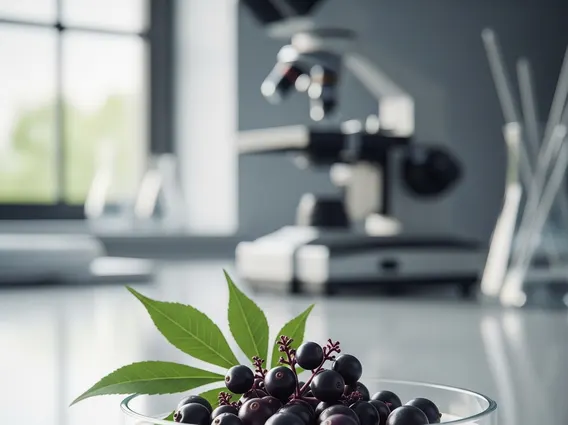
Chaste Tree Berry, also known as Vitex agnus-castus, is a traditional herbal remedy derived from the fruit of the chaste tree. This plant has been utilized for centuries in various cultures, primarily for its potential effects on hormonal balance, particularly in women’s health.
Key Takeaways
- Chaste Tree Berry is an herbal supplement derived from the fruit of the Vitex agnus-castus plant.
- It is traditionally used to support hormonal balance, especially in relation to the menstrual cycle.
- Common applications include managing symptoms of PMS, PMDD, and supporting menstrual regularity.
- Potential side effects are generally mild, but interactions with hormonal medications are possible.
- Consult a healthcare professional for appropriate dosage and to ensure safe use.
What is Chaste Tree Berry?
Chaste Tree Berry refers to the fruit of the chaste tree (Vitex agnus-castus), a shrub native to the Mediterranean region and Asia. Historically, it has been revered for its medicinal properties, with records of its use dating back to ancient Greece. The berry contains various active compounds, including flavonoids, iridoid glycosides, and essential oils, which are believed to contribute to its therapeutic effects. These compounds are thought to influence the pituitary gland, indirectly affecting hormone levels, particularly prolactin, which can impact the balance of other reproductive hormones like estrogen and progesterone.
What is Chaste Tree Berry Used For?
Chaste Tree Berry is primarily used to address issues related to hormonal imbalances, particularly those affecting the female reproductive system. The primary chaste tree berry benefits are often observed in managing symptoms associated with the menstrual cycle. It is believed to help normalize hormone levels by modulating prolactin secretion, which can, in turn, influence the balance between estrogen and progesterone.
Common applications for which Chaste Tree Berry is used include:
- Premenstrual Syndrome (PMS): Many individuals use it to alleviate symptoms such as breast tenderness, mood swings, irritability, headaches, and bloating.
- Premenstrual Dysphoric Disorder (PMDD): For more severe forms of PMS, Chaste Tree Berry may help reduce the intensity of psychological and physical symptoms.
- Irregular Menstrual Cycles: It is sometimes used to help regulate menstrual periods, especially in cases of amenorrhea (absence of menstruation) or oligomenorrhea (infrequent menstruation).
- Menopausal Symptoms: While less common, some women explore its use for certain menopausal symptoms, though evidence is less robust compared to PMS.
It is important to note that while traditional use and some studies support these applications, individual responses can vary, and it should not replace conventional medical treatment.
Chaste Tree Berry Side Effects and Dosage
While generally considered safe for most people when taken appropriately, chaste tree berry side effects can occur. These are typically mild and may include digestive upset, nausea, headache, dizziness, and skin rash. More rarely, it can cause changes in menstrual bleeding patterns. Due to its impact on hormones, Chaste Tree Berry may interact with certain medications, particularly hormonal contraceptives, hormone replacement therapy, and dopamine-related medications. Individuals with hormone-sensitive conditions, such as breast cancer, should avoid its use.
The appropriate chaste tree berry dosage can vary depending on the specific product, the concentration of active compounds, and the condition being addressed. Typical dosages often range from 20 mg to 40 mg of standardized extract daily, often taken in the morning. However, it is crucial to consult a healthcare professional before starting any new supplement, including Chaste Tree Berry, to determine the correct dosage, potential interactions, and suitability for individual health needs. This information is for supportive purposes only and does not replace professional medical advice or treatment.