Cervicectomy
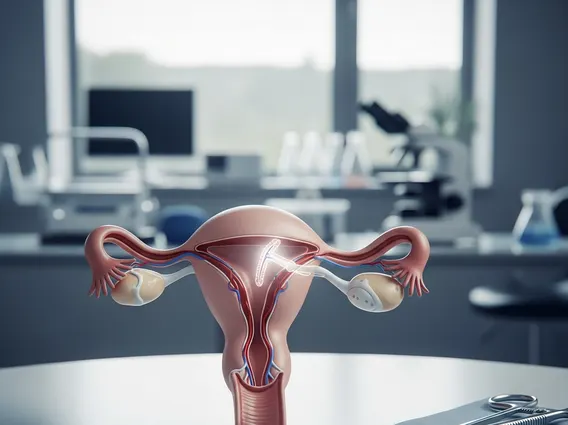
Cervicectomy is a surgical procedure involving the removal of the cervix, the lower part of the uterus that connects to the vagina. This operation is typically performed to treat specific medical conditions affecting the cervix, primarily certain stages of cervical cancer or severe pre-cancerous lesions.
Key Takeaways
- Cervicectomy is the surgical removal of the cervix, often performed for early-stage cervical cancer or severe dysplasia.
- The procedure aims to preserve fertility in some cases by leaving the uterine body intact.
- Reasons for surgery include high-grade cervical intraepithelial neoplasia (CIN) or early invasive cervical cancer.
- Recovery time varies but typically involves a hospital stay and several weeks of restricted activity.
- Post-procedure care is crucial for healing and monitoring for potential complications.
What is Cervicectomy?
Cervicectomy refers to a surgical operation where the cervix, which is the narrow, lower portion of the uterus, is removed. This procedure is distinct from a hysterectomy, which involves the removal of the entire uterus. In a cervicectomy, the main body of the uterus is preserved, which can be a significant consideration for individuals who wish to retain their fertility. The surgery is a critical intervention for managing specific gynecological conditions, ensuring the removal of affected tissue while aiming to minimize impact on reproductive potential where appropriate.
Reasons for Cervicectomy and Procedure Explained
The primary reasons for cervicectomy surgery include the treatment of early-stage cervical cancer and high-grade cervical intraepithelial neoplasia (CIN), which are severe pre-cancerous changes in the cervical cells. This procedure is often considered for women with early-stage cervical cancer who desire to preserve their fertility, as it allows the uterus to remain in place. According to the World Health Organization (WHO), cervical cancer is the fourth most common cancer among women globally, with an estimated 604,000 new cases in 2020, highlighting the importance of effective treatments like cervicectomy for early detection and intervention.
The Cervicectomy procedure explained involves the careful surgical removal of the cervix, along with a small portion of the upper vagina and surrounding lymph nodes, if necessary. The remaining uterus is then reattached to the vagina. This complex surgery can be performed through various approaches, including a vaginal approach (radical vaginal trachelectomy), an abdominal approach, or minimally invasive techniques such as laparoscopic or robotic surgery. The choice of surgical method depends on factors like the stage of the disease, the patient’s overall health, and the surgeon’s expertise. The goal is always to remove all cancerous or pre-cancerous tissue while preserving as much healthy reproductive anatomy as possible.
Cervicectomy Recovery Time and Post-Procedure Care
The Cervicectomy recovery time can vary significantly among individuals, typically ranging from several weeks to a few months for a full return to normal activities. Patients usually spend a few days in the hospital following the surgery, during which pain management and initial monitoring are provided. The initial recovery period at home involves rest and restricted physical activity to allow the surgical site to heal. Factors influencing recovery include the type of surgical approach used, the extent of tissue removed, and the individual’s general health and healing capabilities.
Effective post-procedure care is vital for a smooth recovery and to prevent complications. Patients will receive specific instructions from their medical team, which generally include:
- Pain Management: Taking prescribed pain medication as directed to manage discomfort.
- Activity Restrictions: Avoiding heavy lifting, strenuous exercise, and sexual intercourse for a specified period, typically 6-8 weeks, to prevent strain on the healing tissues.
- Vaginal Discharge: Expecting some vaginal bleeding or discharge, which should gradually decrease over time. Patients are advised to use pads instead of tampons.
- Follow-up Appointments: Attending all scheduled follow-up visits with the gynecologic oncologist to monitor healing, check for complications, and discuss ongoing care.
- Monitoring for Complications: Being vigilant for signs of infection (fever, severe pain, foul-smelling discharge) or excessive bleeding and reporting them immediately to a healthcare provider.
Long-term considerations may include potential impacts on fertility, menstrual cycles, and future pregnancies, which should be discussed thoroughly with the healthcare team before the procedure.