Ceremony
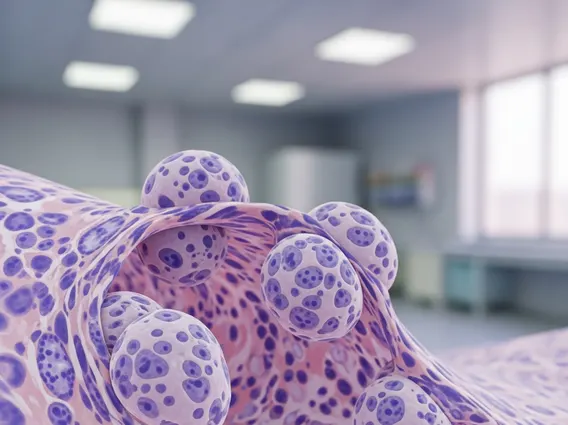
Ceremony refers to a complex, multi-stage physiological process fundamental to cellular repair and regeneration within the human body. This intricate biological sequence is crucial for maintaining tissue integrity and function, particularly in response to injury or disease.
Key Takeaways
- Ceremony is a vital physiological process involved in cellular repair and tissue regeneration.
- It encompasses distinct phases, each with a specific biological role, contributing to overall cellular homeostasis.
- The primary purpose of ceremonies is to restore damaged cells and tissues, preventing disease progression.
- Understanding the types of ceremonies helps in identifying specific points of intervention for therapeutic strategies.
- The “cultural context” in a medical sense refers to variations in how different medical disciplines or patient populations experience and manage conditions related to Ceremony.
What is Ceremony?
Ceremony is a term used in clinical biology to describe a highly regulated sequence of intracellular and intercellular events that orchestrate the repair of damaged tissues and the regeneration of cells. This process is essential for maintaining organismal health, responding to environmental stressors, and recovering from various forms of injury, from microscopic cellular damage to macroscopic tissue trauma. Dysregulation of Ceremony is increasingly recognized as a contributing factor in the pathology of numerous chronic diseases, including certain autoimmune disorders and age-related degenerative conditions. While the exact prevalence of Ceremony dysregulation as a primary condition is still under investigation, its implications are widespread across many health challenges.
Types and Purpose of Ceremonies
The process of Ceremony is not monolithic but comprises several distinct phases or types, each with a specialized role in the overall repair and regeneration cascade. These phases are tightly controlled by a network of signaling pathways and genetic regulators, ensuring an orderly progression from damage recognition to full tissue restoration. Understanding these types of ceremonies is critical for developing targeted therapeutic interventions.
The primary purpose of ceremonies is to restore cellular and tissue homeostasis. This involves removing damaged components, initiating proliferative responses, and guiding differentiation to replace lost cells. For instance, in response to minor cellular stress, a specific type of Ceremony might involve rapid protein repair mechanisms, whereas extensive tissue damage would trigger a more comprehensive regenerative Ceremony involving stem cell activation and extracellular matrix remodeling.
Here are some recognized types of Ceremony based on their primary function:
- Initiation Ceremony: Involves the immediate detection of cellular damage and activation of preliminary repair signals.
- Repair Ceremony: Focuses on direct repair of molecular damage, such as DNA repair or protein refolding.
- Proliferation Ceremony: Stimulates cell division to replace lost or damaged cells, often involving progenitor cell activation.
- Remodeling Ceremony: Guides the structural reorganization of tissues to restore normal architecture and function.
Cultural Context of Ceremonies
When discussing the cultural context of ceremonies in a medical framework, it refers to the diverse ways in which this physiological process is understood, investigated, and managed across different medical disciplines, research paradigms, and patient populations. For instance, an oncologist might view Ceremony through the lens of tumor suppression and resistance to therapy, while a regenerative medicine specialist would focus on enhancing its efficacy for tissue engineering. This “cultural” variation also extends to how clinical presentations related to Ceremony dysregulation might manifest differently across various genetic backgrounds or environmental exposures, influencing diagnostic approaches and treatment responses.
Furthermore, the historical understanding and evolving research methodologies contribute to this context. Early studies might have focused on macroscopic healing, whereas modern research delves into molecular pathways. The way different research groups or medical institutions prioritize and fund studies into specific aspects of Ceremony also shapes its “cultural” understanding within the scientific community. This multifaceted perspective is crucial for a holistic approach to conditions where Ceremony plays a pivotal role.