Central Venous Access Catheter
A Central Venous Access Catheter is a vital medical device used to provide long-term access to a patient’s bloodstream for various treatments. It offers a reliable way to administer medications, fluids, and nutrition directly into a large vein near the heart.
Key Takeaways
- A Central Venous Access Catheter (CVAC) is a tube inserted into a large vein to provide extended access for medical treatments.
- Common types include PICC lines, tunneled catheters, and implanted ports, each suited for different durations and needs.
- These catheters work by allowing direct delivery of substances into the central venous system, bypassing smaller peripheral veins.
- Potential complications, such as infection and blood clots, necessitate careful management and patient education.
What is a Central Venous Access Catheter?
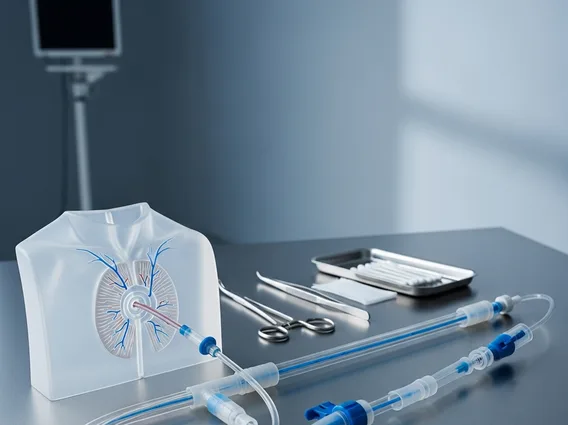
A Central Venous Access Catheter (CVAC), often referred to as a central line, is a thin, flexible tube inserted into a large vein, typically in the neck (internal jugular), chest (subclavian), or arm (basilic or cephalic vein for a PICC line), with its tip resting in a large vein near the heart, such as the superior vena cava. This device provides a stable and long-term pathway for healthcare providers to administer medications, fluids, blood products, or nutritional support directly into the central circulation. It is particularly beneficial for treatments that require frequent or continuous venous access, or for substances that are irritating to smaller peripheral veins. For instance, the Centers for Disease Control and Prevention (CDC) highlights the importance of central lines in managing critically ill patients and those undergoing prolonged therapies.
Central Venous Catheter Types and Uses
Understanding central venous catheter types and uses is crucial as different catheters are designed for specific durations and medical needs. The choice of catheter depends on the patient’s condition, the type of therapy required, and the anticipated length of treatment. These devices ensure that patients receive necessary care efficiently and with minimal discomfort compared to repeated peripheral venipunctures.
Common types of central venous access catheters include:
- Peripherally Inserted Central Catheter (PICC): Inserted into a vein in the arm and threaded into a central vein. PICCs are suitable for weeks to several months of therapy, such as long-term antibiotics or chemotherapy.
- Tunneled Catheters: These catheters are surgically inserted under the skin of the chest, then threaded into a central vein. A cuff on the catheter helps prevent infection and holds it in place. Examples include Hickman and Groshong catheters, used for therapies lasting several months to years, often for dialysis or long-term total parenteral nutrition (TPN).
- Implanted Ports (Port-a-Cath): A small reservoir is surgically placed under the skin, usually in the chest, and connected to a catheter threaded into a central vein. The port is accessed with a special needle through the skin. Ports are ideal for intermittent, long-term therapy (years) like chemotherapy, as they are completely internal when not in use, allowing for normal activities like swimming.
How Central Venous Access Catheters Work
How central venous access catheters work involves their placement in a large vein, allowing direct and rapid delivery of substances into the bloodstream. Once the catheter is correctly positioned, its external end (or port) provides access points, known as lumens, through which medications, fluids, or nutrition can be infused. The large diameter and high blood flow of central veins ensure that infused substances are quickly diluted and distributed throughout the body, minimizing irritation to the vessel walls. This direct access also facilitates accurate and frequent blood sampling without the need for additional needle sticks. Healthcare professionals meticulously maintain these catheters through regular flushing with saline or anticoagulant solutions to prevent blockages and ensure their continued functionality.
Central Venous Catheter Complications Explained
While invaluable, it is important to understand central venous catheter complications explained to ensure patient safety and effective management. Complications can range from minor issues to serious, life-threatening conditions. The most common complications include infection, thrombosis, and mechanical problems. Infection is a significant concern, as bacteria can enter the bloodstream through the catheter insertion site, leading to local site infection or a more severe bloodstream infection. Thrombosis, or the formation of blood clots, can occur around the catheter tip or within the vein, potentially blocking the catheter or leading to more serious conditions like deep vein thrombosis or pulmonary embolism. Mechanical complications may include catheter occlusion (blockage), dislodgement, breakage, or pneumothorax (collapsed lung) during insertion, though this is rare with proper technique. Regular monitoring, strict sterile technique during insertion and maintenance, and prompt intervention are critical to minimizing these risks and ensuring the catheter’s safe and effective use.